Double Glazing Window Handles: Maintenance and Lubrication
Double glazing window handles require regular attention to remain smooth, secure and long-lasting. Proper maintenance and lubrication prevent wear, reduce...
Double glazing window handles require regular attention to remain smooth, secure and long-lasting. Proper maintenance and lubrication prevent wear, reduce draughts, and avoid costly replacements. This guide provides practical, step-by-step advice for homeowners and tradespeople on cleaning, inspecting, lubricating and troubleshooting common handle types used on double glazed windows.
Common handle types and what to check
Different handle mechanisms need slightly different care. Identify the type before starting work:
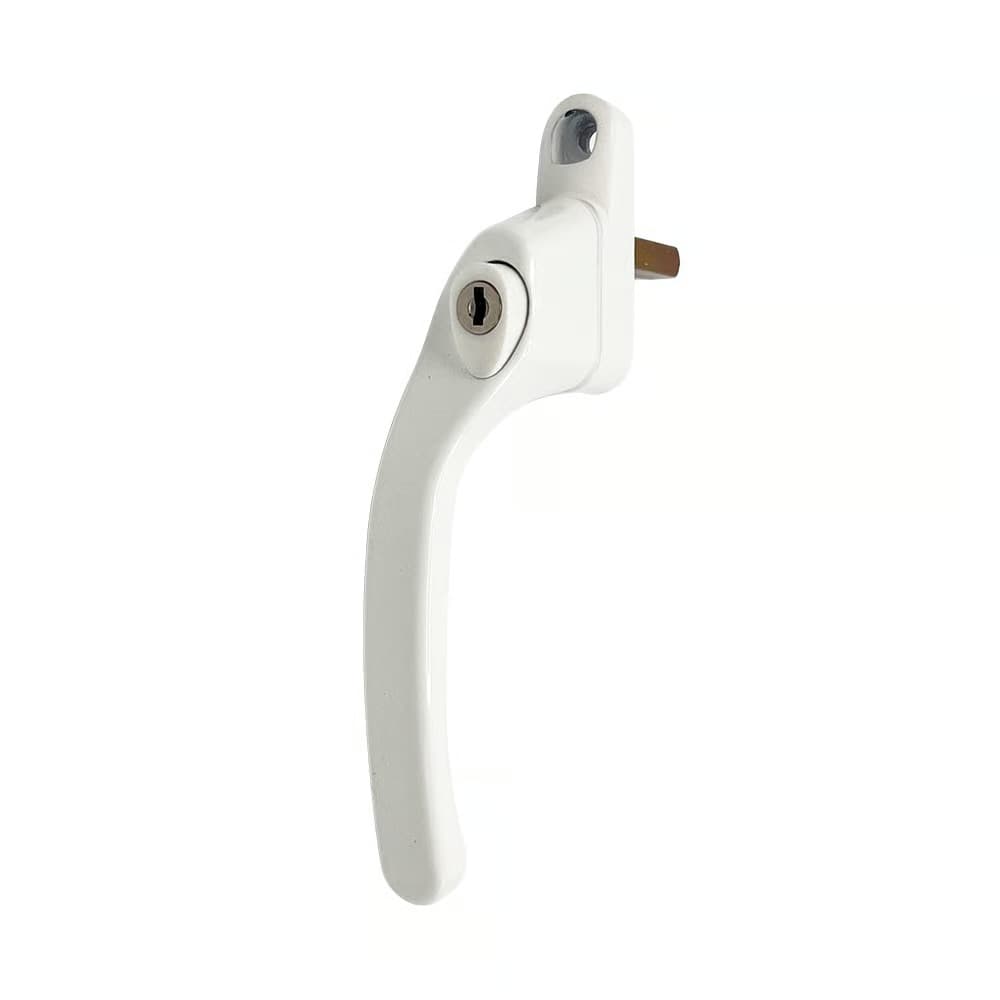
- Espag handles (espagnolette) have a spindle driving a locking gear within the frame. Typical modern examples include the TSS Cockspur Window Handles.
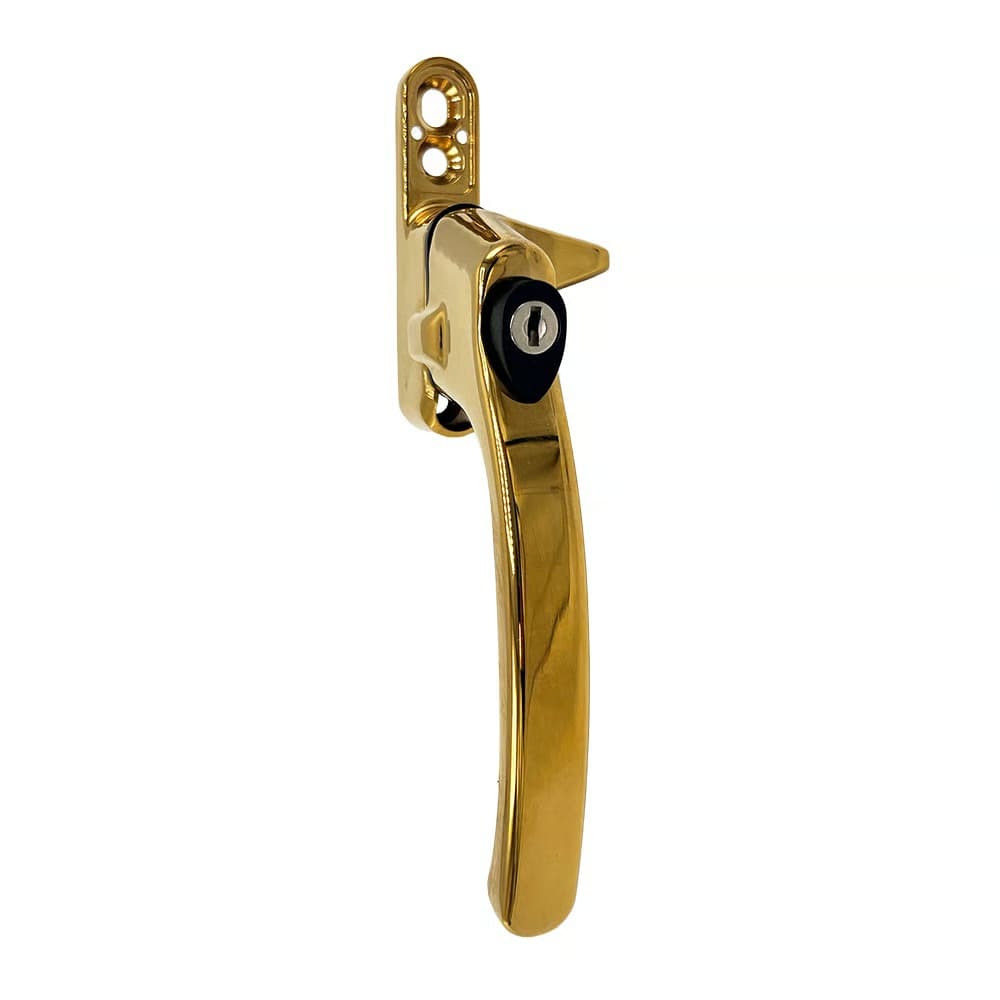
- Cockspur handles project a latch that hooks over a keep; these are simple but need regular screw and pivot checks, such as the TSS Cockspur Window Handle.
- Tilt-and-turn and casement handles from established ranges like the TSS Offset UPVC Window Handles combine lever action with internal locking mechanics.
Tools and materials
Assemble basic supplies:
- Clean cloths and a soft-bristled brush
- Mild detergent and warm water
- Silicone-based lubricant spray or PTFE spray (safe on plastics and rubber)
- Light machine oil for metal pivots (neat sewing machine oil or 3 in 1)
- Graphite powder for lock cylinders (dry application)
- Small screwdriver set and Allen keys
- Rust remover for corroded parts
- Replacement screws, spindle or handle if required
Cleaning and preparation
1. Open the window to access both sides of the handle and the keep. 2. Wipe down handles and surrounding frame with warm soapy water to remove grime and airborne salts. Use a soft brush to clear trapped dirt in recesses. 3. Rinse with clean water and dry thoroughly. Moisture left in gear channels can trap lubricant and attract more dirt. 4. Remove the handle where access is improved by unscrewing the fixing screws or releasing the concealing cap. Keep all small parts secure.
Cleaning first ensures lubricant adheres to moving parts rather than mixing with surface dirt, which causes abrasive wear.
Lubrication technique
Use the correct lubricant type for each component:
- Moving pivots and hinge pins: apply a drop or two of light machine oil directly to the pivot points. Work the handle to distribute the oil.
- Espag gearbox and locking rods: spray a silicone or PTFE lubricant lightly into the gearbox slot and along the espagnolette rod. Operate the handle several times to move lubricant into the mechanism. Silicone-based sprays are recommended for uPVC and painted surfaces because they do not degrade rubber seals.
- Cockspur pivot and latch: a light oil on the pivot pin and a silicone spray on the latch face reduces friction against the keep.
- Lock cylinders and keyways: use graphite powder; blow a small amount into the keyway and operate the key. Do not use wet oils in locks as they attract dust.
- Rubber and foam seals: silicone spray can freshen these without causing swelling. Avoid petroleum-based products.
Reassembly and adjustment
After lubrication:
- Refit the handle, ensuring the spindle is fully engaged in the gear and the screws are snug but not over-tightened to avoid distorting the handle housing.
- Check alignment of the keep and latch by closing the window and operating the handle through its full travel. Adjust strike plates or keeps if the handle feels stiff or the locking points do not engage smoothly.
- If handles show rotational play, inspect for worn spindles or stripped gear teeth; replacement is a more durable fix than repeated lubrication.
Frequency and preventative maintenance
- Perform a basic clean and light lubrication every 6 months in normal environments.
- In coastal or industrial areas with salt air and heavier corrosion risk, inspect and lubricate every 3 months.
- After stormy weather or building work, check for debris in tracks and around seals which can impede operation.
- Replace handles showing cracks, persistent stiffness, or visible corrosion rather than attempting repeated makeshift repairs.
Troubleshooting common problems
- Stiff handle with no locking movement: check for obstructions in the gear channel, seized spindle or failed gearbox. Remove handle and inspect the espagnolette mechanism.
- Handle returns to an off position or is loose: tighten mounting screws, check spindle size for correct fit and replace stripped screws.
- Corroded fixings: carefully remove and treat with rust remover; fit stainless replacements if corrosion is recurrent.
- Noisy or gritty operation: clean out accumulated dirt and apply fresh lubricant; replace components where abrasive wear has occurred.
Safety and environmental notes
Use lubricants in well-ventilated areas and avoid contact with skin and eyes. Dispose of used rags and empty spray cans according to local recycling guidance. For lead-painted or older wooden frames, follow safe working practices and consider professional inspection where hazardous materials may be present.
Regular maintenance and the correct choice of lubricant extend the service life of double glazing window handles and preserve window performance. Timely adjustments and component replacement prevent larger failures and keep homes secure and energy-efficient.