Double Glazing Window Handles Replacements: Avoid These Mistakes
Replacing handles on double glazing requires attention to detail. Incorrect choices or hurried fitting can lead to damage, poor security and wasted expense...
Replacing handles on double glazing requires attention to detail. Incorrect choices or hurried fitting can lead to damage, poor security and wasted expense. This guide for homeowners and tradespeople outlines common mistakes to avoid during double glazing window handles replacements and offers practical, actionable advice to ensure a tidy, secure and long-lasting result.
Understand the type of handle and locking mechanism
Double glazing windows use a variety of handle types and locking systems. Identifying the correct style prevents wasted purchases and misfits. Espag handles operate a gearbox and spindle that drive multipoint locks, cockspur handles turn a single bolt, and some designs are bespoke to manufacturers. Match the handle type to the window’s mechanism before buying.
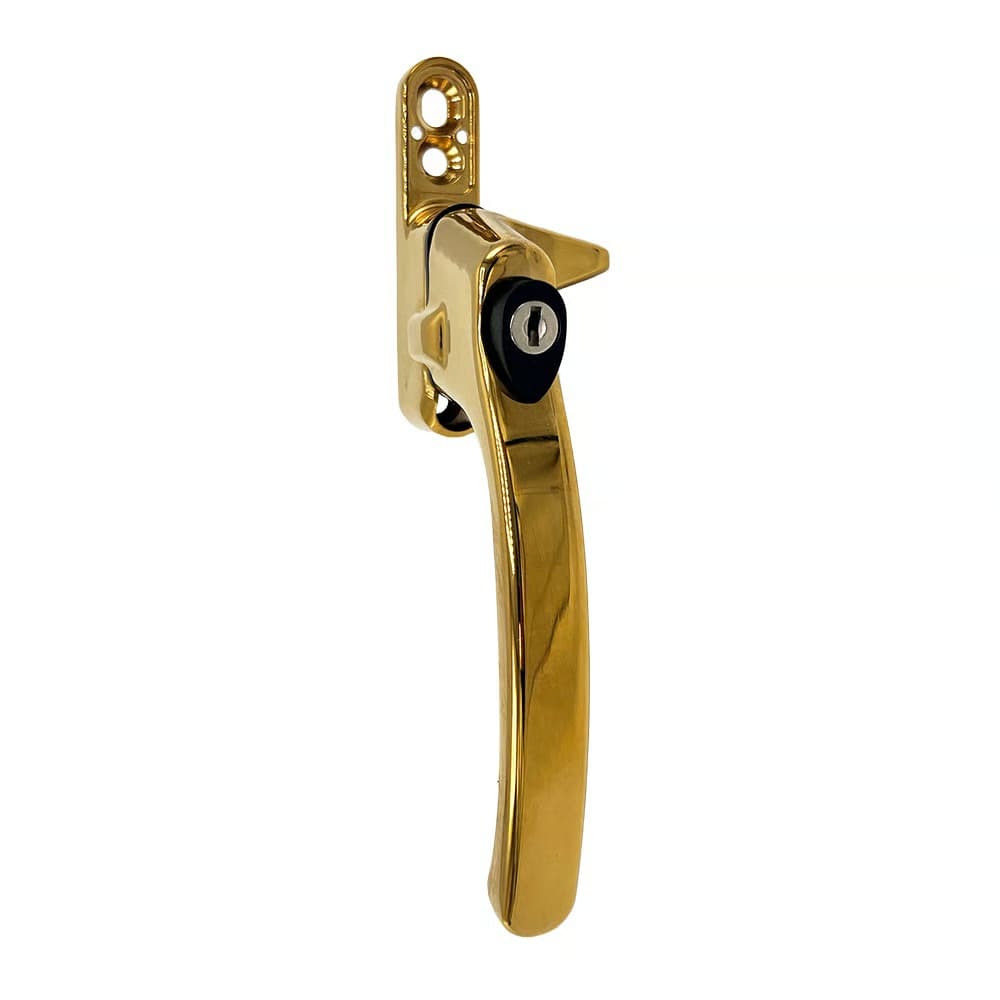
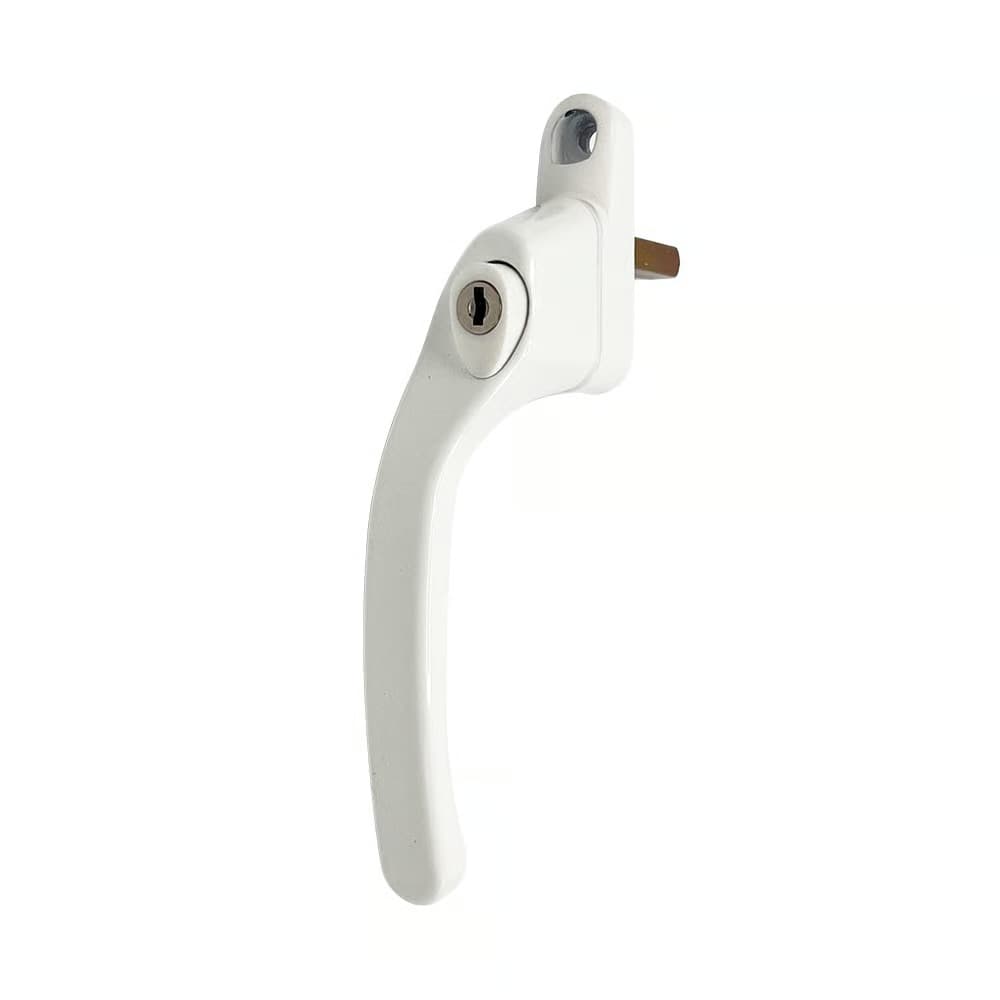
- For espagnolette (espag) systems, choose a purpose-built handle that aligns with the spindle and screw positions, such as the TSS Cockspur Window Handles.
- For simple casement windows with a single hook/bolt, the TSS Cockspur Window Handle is a common option.
- Where a lockable handle is required for added security, the TSS Offset UPVC Window Handles covers many standard profiles.
Measure and match dimensions precisely
A key error during double glazing window handles replacements is inaccurate measurement. Take precise measurements of the spindle length, spindle square size (commonly 7mm or 8mm), screw hole spacing (centres), and the distance from spindle centre to top/bottom screw holes. Record:
- Spindle thickness and length (from faceplate to end)
- Backset or faceplate dimensions
- Fixing screw centres (mm)
- Handle projection and orientation (left/right-handed)
Avoid forcing parts or using incorrect tools
Forcing a handle that doesn’t fit or using incorrect screwdrivers damages paint, softens trims and can fracture PVC. Use the correct sized screwdrivers and torque settings for powered screwdrivers. Keep these points in mind:
- Loosen grub screws gradually; do not attempt to lever stiff handles with excessive force.
- Use hand tools for final tightening to avoid over-torquing and stripping screw heads.
- Protect surrounding frames with a soft cloth when levering parts to avoid scratching.
Don’t ignore wear in the lock case and keep mechanisms lubricated
Replacing only the handle while leaving a worn gearbox or lock case in place is a short-term fix. Check the lock case for play, broken teeth or worn cams. If the gearbox is worn, the new handle may feel loose or fail rapidly. Inspect and test:
- Smooth operation of the locking points
- Any lateral movement in the lock case
- Condition of rollers, keeps and striker plates
Use correct security fixes and screw types
Many replacement jobs use the wrong screws or insufficient fixings. Stainless steel wood or thread-forming screws with the correct length ensure handles are firmly retained without cracking PVC. Avoid self-tapping metal screws that are too long and can hit the internal hardware. Choose screws that:
- Penetrate into the reinforcing or reinforcing insert where possible
- Match the original thread type and head profile
- Are of appropriate length — long enough for a secure hold, not long enough to contact the lock mechanism
Keep alignment and handle projection correct
Incorrect alignment causes rubbing, poor sealing and early failure. When fitting new handles, align the spindle so that the handle sits in the neutral (locking) position when the lock is engaged. Check for:
- Handle projection that clears any cills or window furniture
- Parallelism of handles on French doors or paired windows
- Smooth operation across the full travel of the handle
Paint and finish considerations
Painting frames after replacement without removing the handle can seize mechanisms. Protect handles from paint and solvent exposure during decorating. If a frame has been repainted and handles are stiff, clean paint build-up around the spindle and moving parts. Use a plastic scraper and solvent safe for the frame material, then re-lubricate.
Test thoroughly and document the work
After fitting, operate the window several times through full cycles and check lock engagement, handle return spring function and weatherseal integrity. Record details of the replacement: handle model, spindle size and screw dimensions. This documentation simplifies future maintenance and ensures compatibility for subsequent replacements.
When to call a specialist
Some situations warrant professional intervention: irreparable lockcases, windows with integrated child safety or restrictors, or when structural timber reinforcement is necessary. A qualified installer can supply correct matching parts, make adjustments to the locking keep positions, and ensure building regulations for escape routes are met where applicable.
Replacing handles is frequently a straightforward upgrade but avoiding common mistakes like wrong measurements, incorrect screws, forcing parts, or ignoring worn internals saves time and expense. Prioritise correct identification, careful measurement, proper tools and a check of the entire locking mechanism for a lasting result.