Double Glazing Window Handles Replacements: Common Compatibility Issues
Double glazing window handles replacements are a common task for homeowners and tradespeople focused on maintaining secure, energy-efficient windows. Repla...
Double glazing window handles replacements are a common task for homeowners and tradespeople focused on maintaining secure, energy-efficient windows. Replacing handles can be straightforward, yet compatibility issues often complicate the job: different locking mechanisms, screw centres, spindle sizes and faceplate configurations all determine whether a replacement handle will operate correctly. This guide explains the most common compatibility problems and provides practical, actionable advice to ensure a successful replacement.
Identify the handle type and locking mechanism
The first step is identifying the type of handle and the locking mechanism it operates. Typical types include espagnolette handles (espag), cockspur handles, and lift/lever types. Each interacts with the window’s hardware differently.
- Espagnolette handles operate a long multi-point locking rod. These require the correct spindle length and square section size to engage the gearbox.
- Cockspur handles attach to a latch that hooks over a keep when the handle is turned. They are more common on older uPVC and timber windows.
- Lever or push-button handles lock into a cam or latch and may be specific to particular manufacturers.
Measure screw centres, spindle and backset
Careful measurement prevents wasted time and returns. Key dimensions to measure:
- Screw centres: the distance between the fixing screws measured centre-to-centre. Standard sizes are often 43mm, 70mm or 92mm, but variations exist.
- Spindle size and length: the square spindle engages the locking mechanism. Typical square sizes are 7mm or 8mm; trim considerations determine spindle length.
- Backset and handle projection: the distance from the window face to the centre of the spindle can affect whether the handle sits flush or fouls adjacent frames.
Consider handedness and rotation direction
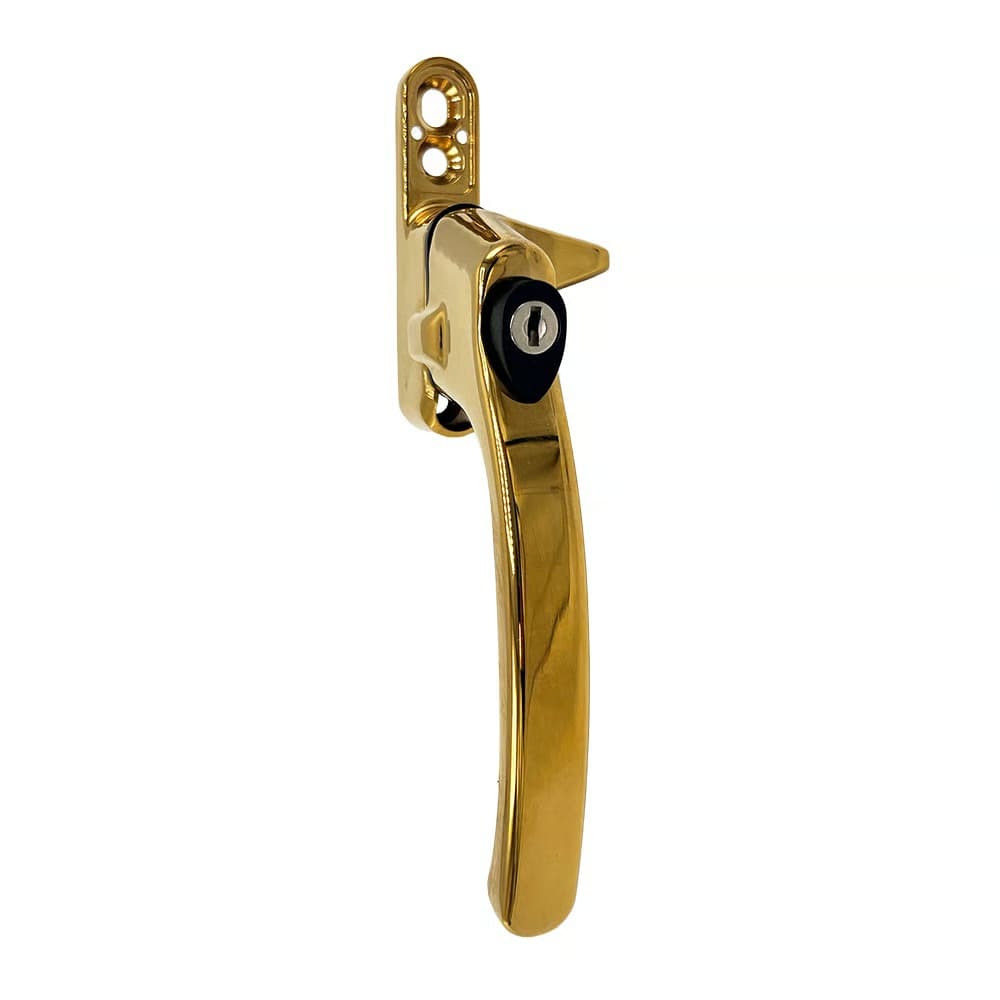
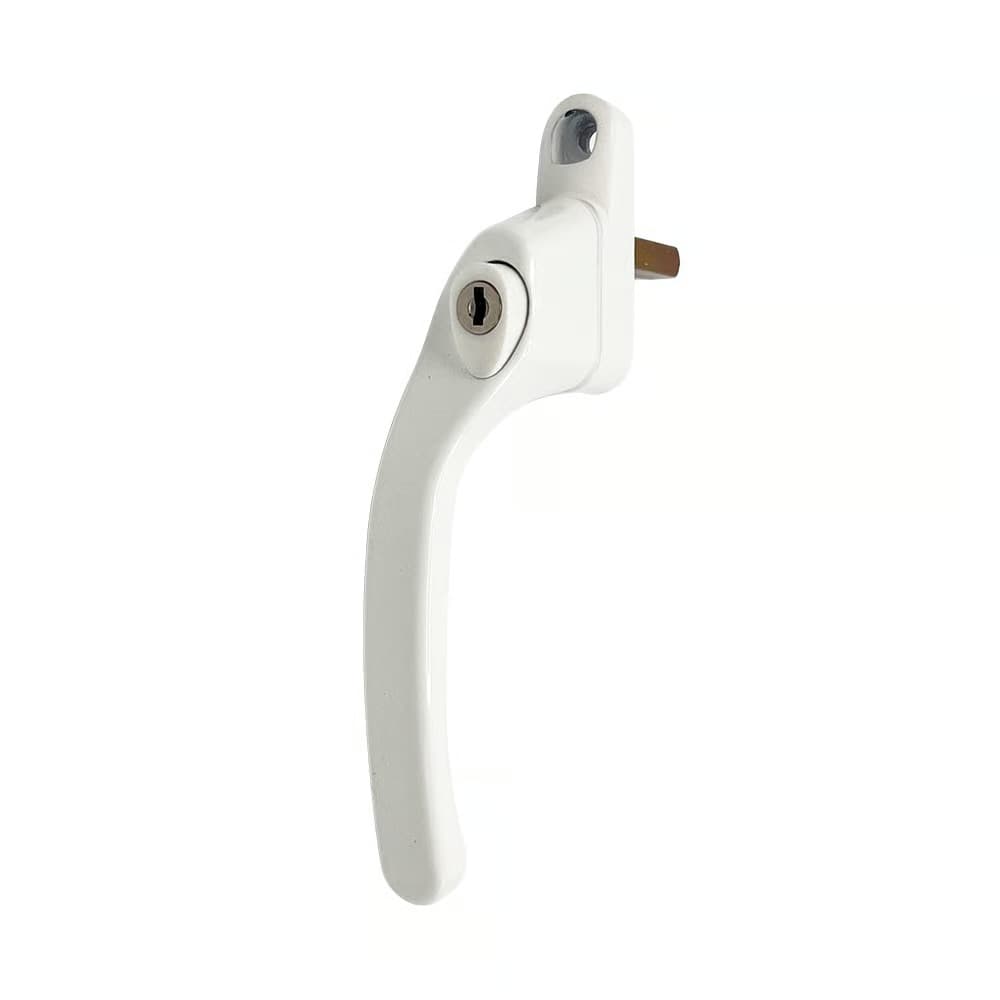
Many handles are handed: they are designed for left- or right-hand operation depending on whether the hinge is on the left or right. Replacements must match the original handedness or be reversible models. Rotation direction (clockwise or anti-clockwise to lock) must also match the keeps and gearbox. Some modern handles are reversible; older models and certain manufacturer-specific handles are not. The TSS Offset UPVC Window Handles is a common option available in handed and non-handed variants, so confirm the required rotation before purchase.
Material, finish and durability
Window handles are exposed to weather and frequent use. Choose materials and finishes that suit the environment and usage level:
- Aluminium and stainless steel finishes resist corrosion and are ideal for coastal locations.
- Powder-coated or painted finishes match domestic décor but may wear faster in high-use settings.
- Handles with reinforced locking cams and steel spindles last longer than cheaper, fully-plastic units.
Fixing methods and faceplate compatibility
Fixings and faceplate profiles differ between manufacturers. Some handles fix directly to the frame via through-screws; others use hidden fixings or require removal of a decorative cover. Check that the replacement handle’s backplate will clear glazing beads and internal seals. Trade practice is to test-fit the handle before drilling new holes: align the handle, mark screw positions, and confirm the handle turns freely without binding against the frame or beading.
For cockspur systems, the location and size of the spur determine compatibility. The TSS Cockspur Window Handle fits many common cockspur latches, but verify spur length and profile match the existing latch engagement.
Common problems and how to resolve them
- Handle rotates but window does not lock: usually a worn spindle, incorrect spindle size, or stripped gearbox. Replace the spindle and inspect the espag rod for wear.
- Handle won’t return to horizontal: handle likely fouls the frame or keeps are misaligned. Adjust keeps or replace with adjustable keeps; test operation before final fixing.
- Screws don’t line up: wrong screw centres. Either source the correct handle or consider using a spacer or adaptor plate to bridge mismatched centres, ensuring the replacement does not compromise security.
- New handle height clashes with beading: check faceplate projection and choose a slimline profile if necessary.
Security and warranty considerations
Replace damaged handles promptly to maintain window security and energy performance. Use keyed-lockable handles where required by building regulations or insurance conditions, particularly for ground-floor windows. Confirm the warranty of replacement handles and keep proof of purchase in case of premature failure. Many suppliers list compatibility and testing details; rely on these specifications when selecting replacements.
Final checks and maintenance
After fitting, check full operation through the window’s travel, ensuring the handle engages the locking points smoothly and locks securely. Apply a light smear of silicone-free grease to spindles and moving parts for longevity. Tighten screws to manufacturer torque recommendations to avoid stripping or deformation.
Practical replacement planning, accurate measurement and selection of the correct handle type greatly reduce compatibility issues. With the right preparation, double glazing window handles replacements can be completed quickly and reliably, maintaining security and smooth operation. For further guidance and a comprehensive overview of window handle types and measurements, consult the Window Handles Guide.