Double Glazing Window Handles Replacements: DIY Installation Steps
Replacing double glazing window handles is a straightforward upgrade that improves security, operation and appearance. This guide provides practical, step-...
Replacing double glazing window handles is a straightforward upgrade that improves security, operation and appearance. This guide provides practical, step-by-step instructions for homeowners and tradespeople to carry out double glazing window handles replacements safely and correctly. It covers preparation, removal, measurement, fitting and finishing touches, and highlights common pitfalls to avoid.
Tools and materials required
- Cross-head and flat-head screwdrivers (assorted sizes)
- Hex key set (certain espagnolette handles)
- Tape measure and ruler
- Centre punch or small drill for pilot holes
- Replacement handle(s) appropriate to the window style
- Replacement screws (stainless steel recommended)
- Lubricant (light machine oil or silicone spray)
- Soft cloth and cleaning spray
- Protective gloves and safety glasses
Identify the handle type and check compatibility
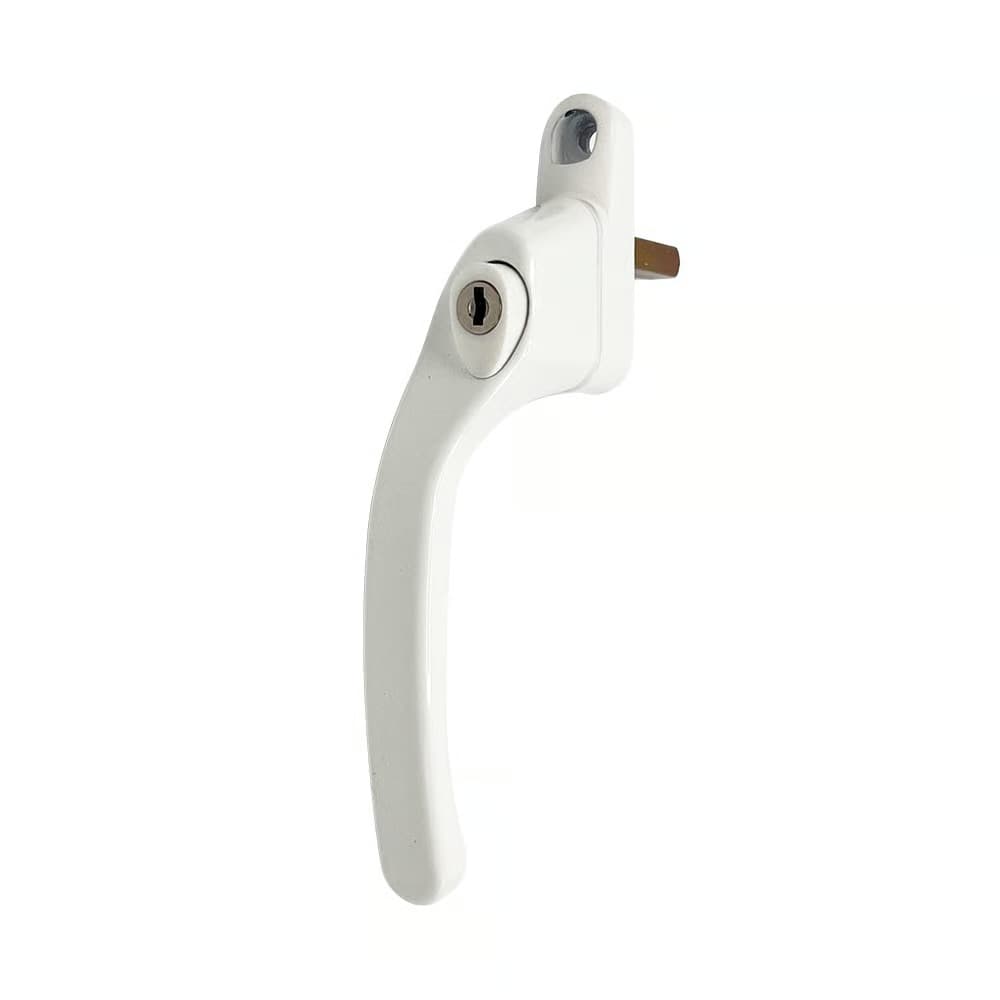
Double glazing window handles replacements require matching the new handle to the existing locking mechanism. Common handle types:- Espag (espagnolette) handles: connect to an espag lock via a square spindle; often require an 8mm or 7mm spindle and may use a grub screw or hex key security screw.
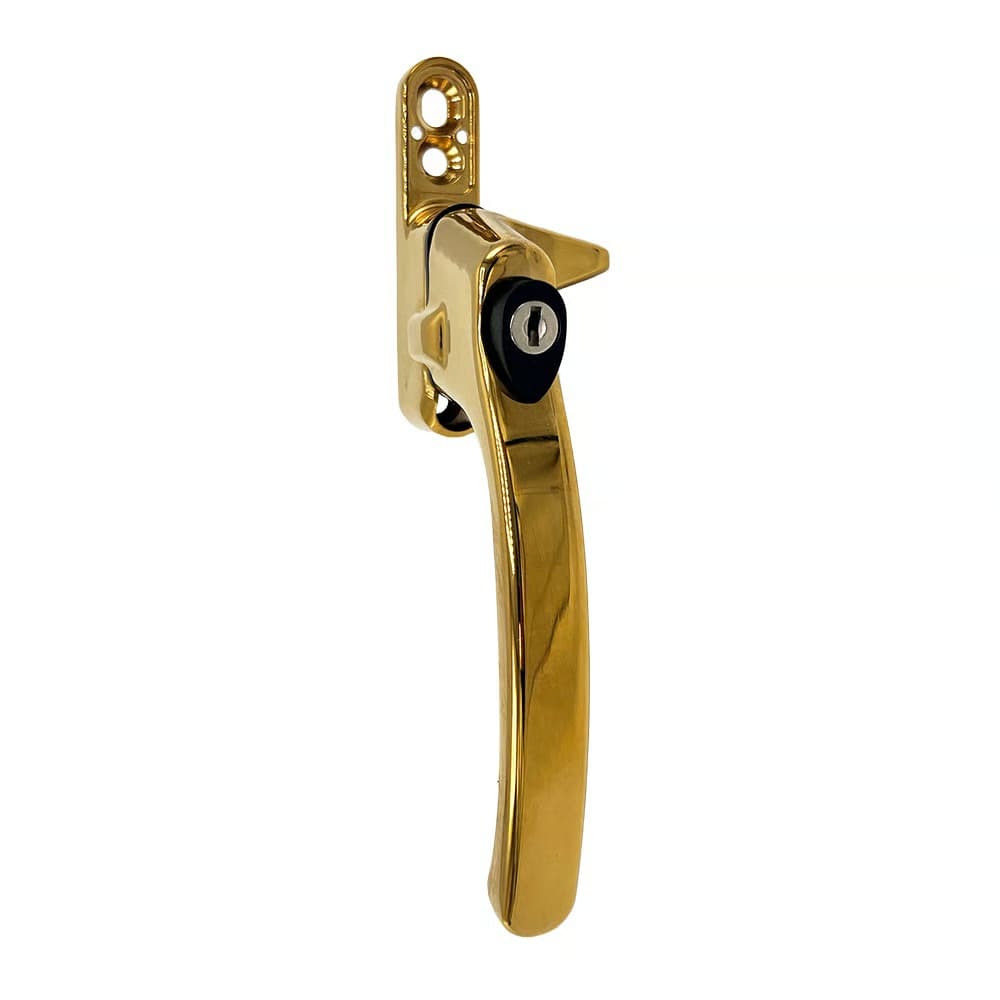
- Cockspur handles: mount to the face of the frame and operate a curved cam that engages the keep; suitable for timber and some uPVC windows.
- Centre-locking and multi-point handles: designed for more complex locks; ensure the replacement matches the centre distance and spindle arrangement.
Preparation and safety
- Work with the window closed and stabilised. For casement windows, prop the opening sash securely when the handle is removed.
- Wear safety glasses and gloves when handling metal parts.
- Keep removed screws and small parts in a container to avoid loss.
- If working at height, use a stable ladder and a spotter; tradespeople should follow appropriate site safety protocols.
Step 1 — Remove the old handle
1. Fully close the window to relieve tension on the handle. 2. Locate cover caps on the handle base; pry off gently with a flat-head screwdriver to reveal fixing screws. 3. Unscrew the mounting screws (usually two) while supporting the handle to prevent it dropping. 4. Pull the handle straight off the spindle. If the handle is stuck, apply a small amount of penetrating oil and gently wiggle it free. 5. Inspect the spindle and lock case for any wear or damage. Note the spindle length and whether it is a tapered or fixed square spindle.For handles secured by a grub screw or security screw (common on espag handles), loosen the grub screw with the correct hex key or screwdriver before pulling off the handle.
Step 2 — Inspect and prepare the mechanism
- Check the espag gearbox or cockspur cam for wear, bent parts or stripped screw threads. Replace any damaged internals before fitting a new handle.
- Clean the area with a soft cloth. Lightly lubricate the spindle and moving parts with a small amount of light machine oil or silicone spray; avoid heavy grease that attracts dust.
- If the handle mounting holes are worn or stripped, re-drill pilot holes and use slightly larger screws or suitable plugs for secure fixing.
Step 3 — Measure and set the spindle
Accurate spindle length ensures the handle operates the locking mechanism without binding. The spindle should engage fully with the lock case while allowing the handle to sit flush against the backplate.- If the spindle is too long, cut to the correct length using a bench vice and hacksaw; file the cut edge square.
- If too short, a longer replacement spindle is required. Ensure a square spindle is used for square-profile locks and confirm the size (commonly 8mm or 7mm).
Step 4 — Fit the new handle
1. Align the replacement handle onto the spindle and position the backplate over the fixing holes. 2. Insert and tighten the fixing screws evenly to avoid misalignment. Use stainless steel screws where possible to prevent corrosion. 3. For handles with cover caps, press the caps into place after tightening the screws. 4. For espag handles that use a grub screw or security screw, tighten to the manufacturer’s recommended torque; avoid overtightening which can strip threads.When fitting TSS Cockspur Window Handles, ensure the security grub screw is accessible and set to the correct tightness. For face-mounted replacements like the TSS Cockspur Window Handle, confirm the cam aligns properly with the keep. The TSS Offset UPVC Window Handles is suitable for a wide range of uPVC window locks and should seat flush with the frame when the spindle is correct.
Step 5 — Test operation and adjust
- Operate the handle several times to check smoothness and full engagement of the locking points.
- Ensure the handle returns to the closed position without drift. If binding occurs, slightly loosen the screws and realign, then re-tighten.
- Check the window seals for compression and that the sash closes squarely without gaps.
Final checks and maintenance
- Replace any trim or cover caps removed during the job.
- Wipe away excess lubricant and touch up any scuffed paintwork.
- Advise on periodic maintenance: clean and lubricate moving parts annually, check screws for tightness and address corrosion promptly.
- For higher-security requirements, upgrade to handles with a key-locking mechanism and consider reinforcing keeps and the espag gearbox.