Double Glazing Window Handles Replacements: Espag vs Cockspur
Double glazing window handles replacements are a common maintenance task for homeowners and tradespeople alike. Choosing between espagnolette (espag) and c...
Double glazing window handles replacements are a common maintenance task for homeowners and tradespeople alike. Choosing between espagnolette (espag) and cockspur handles requires understanding how each mechanism works, compatibility with existing hardware, security considerations and the practical steps for a reliable replacement. This article explains the differences, offers actionable installation and measurement advice, and highlights common pitfalls to avoid.
Understanding the two main types: espag vs cockspur
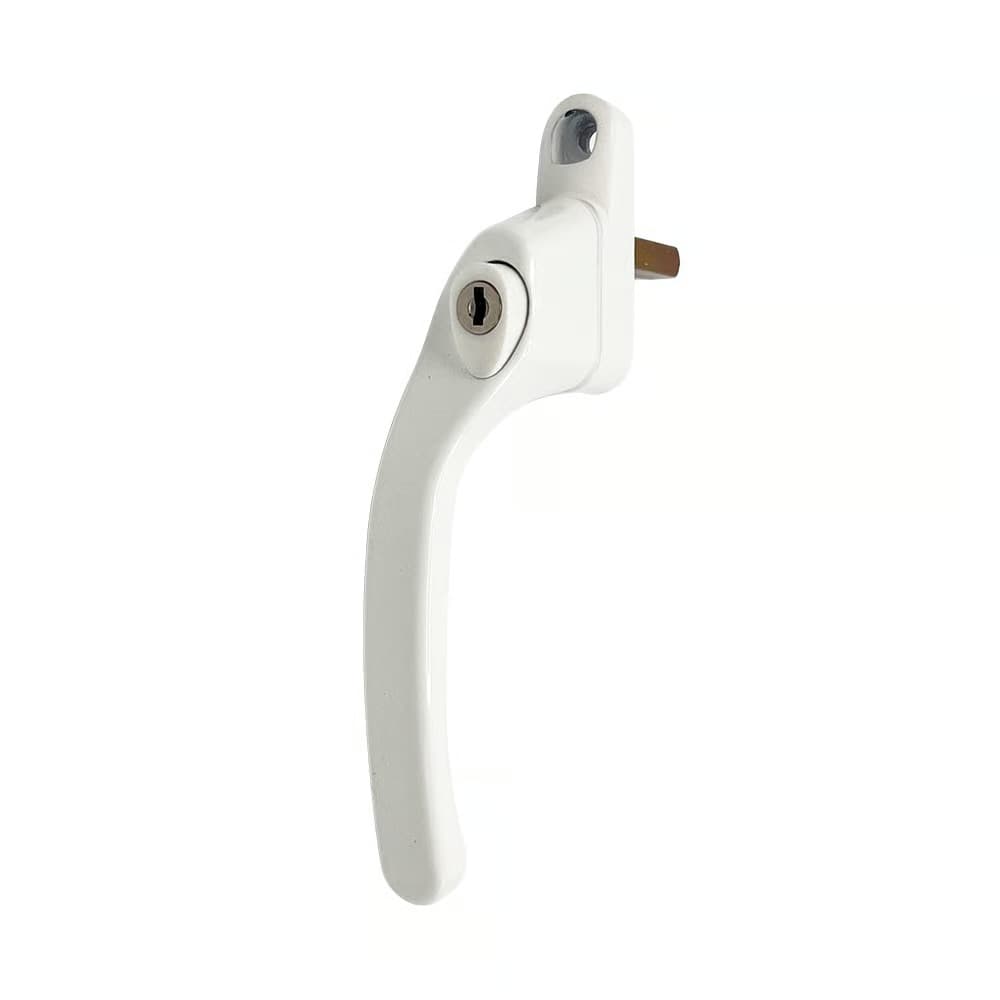
Espag (espagnolette) handles operate a multi-point locking mechanism via a gearbox and a steel locking rod inside the window frame. They are typically found on modern UPVC and aluminium double glazing and are secured to an espag lock with an integral spindle and gearbox. The TSS Cockspur Window Handles is an example of a contemporary espag handle designed for enhanced security and ease of operation.
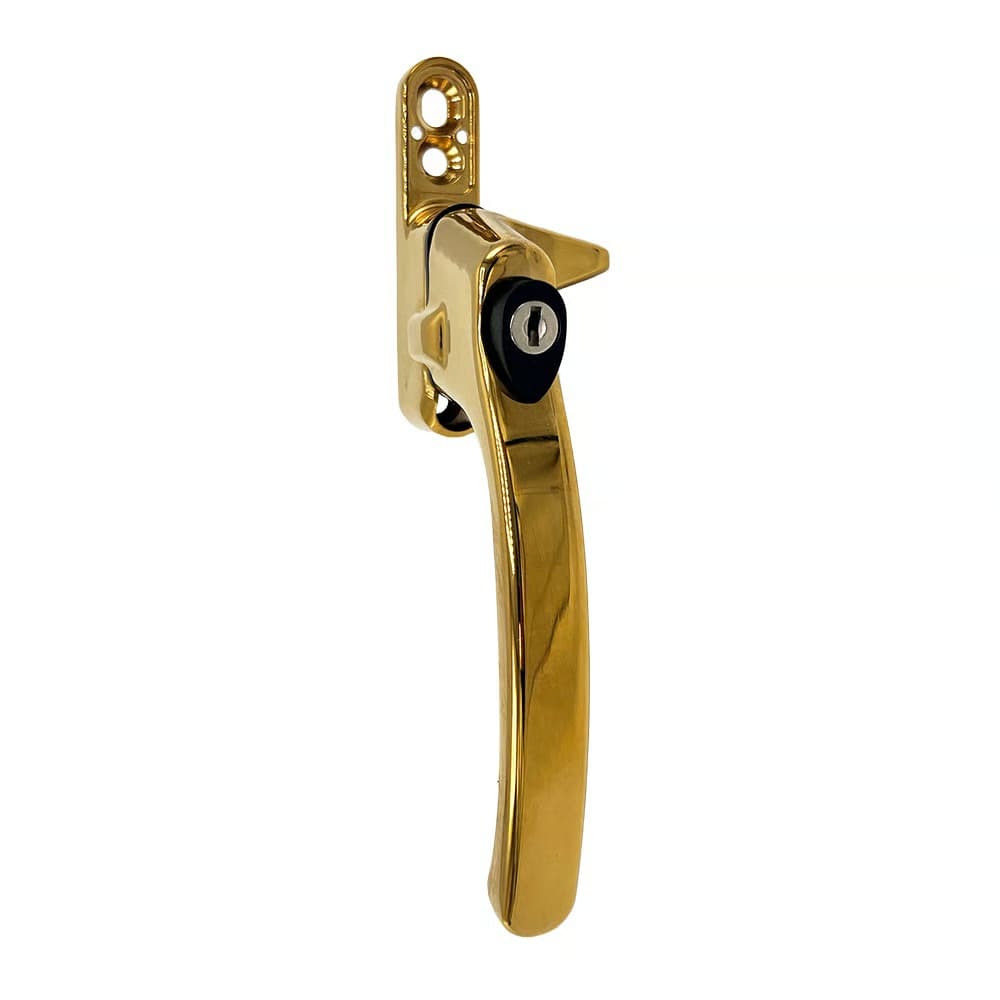
Cockspur handles are surface-mounted levers that engage with a fixed keeper on the frame. They are common on older windows and simple casement systems where multi-point locking is not present. Cockspur handles are straightforward and can be replaced without altering the locking mechanism. A typical product in this category is the TSS Cockspur Window Handle.
Pros and cons — practical considerations
- Security: Espag handles generally provide superior security because they operate multi-point locks that engage at several points along the frame. Cockspur handles provide basic security but can be more easily forced if not fitted with additional security hardware.
- Compatibility: Espag handles are essential for windows with espag locks; the spindle length and gearbox type must match. Cockspur handles are more universally adaptable since they sit on the window face and bolt through the frame.
- Ease of replacement: Cockspur replacements are usually quicker — remove two screws and swap the handle. Espag replacements may require measuring the spindle length and gearbox centre distance and sometimes removing the glazing bead to access the lock mechanism.
- Aesthetics and operation: Modern espag handles often include locking buttons and child safety features. Cockspurs are available in various finishes but are bulkier on the window surface.
How to identify which handle is needed
- Check whether the handle turns a spindle into the window or simply presses against a keeper. A handle that turns with a square spindle into the frame is almost certainly espag.
- Look for a multi-point locking mechanism (bolts or keeps along the frame) — this indicates espag hardware.
- Measure the spindle and screw hole centres before ordering replacements. Common spindle sizes are 8 mm and 7 mm square; typical screw hole centres for espag handles are 43 mm or 92 mm, but always measure the existing fitting.
- For cockspur handles, measure the distance between the fixing screws and ensure the lever clears the frame and any transoms.
Practical measurement steps
1. Remove the old handle: Open the window slightly and unscrew the two visible screws. For espag handles, note the gearbox and measure from the spindle face to the centre of the screw hole. 2. Measure spindle length: Measure the projecting length of the spindle (from the handle face to the end). If the spindle is too short or long it will affect operation. 3. Measure screw hole centres: Use a caliper or ruler to measure the distance between the two fixing screw centres on the handle backplate. 4. Check for key or button locking features: Record whether the handle locks with a key, button or thumbturn as replacements need matching functionality.
Step-by-step replacement tips
For espag handles:
- Switch off any window restrictors and support the casement to prevent slippage.
- Unscrew the handle and pull it clear to access the gearbox. Confirm the gearbox and spindle orientation.
- Fit the new handle, ensuring the spindle engages fully into the gearbox. Tighten screws evenly to avoid distorting the handle backplate. Test operation through the full travel to check the locking points engage correctly.
- If the handle doesn’t operate the lock smoothly, check spindle alignment and ensure the gearbox and strike plate are correctly positioned.
- Remove the two fixing screws and the old handle. Inspect the keeper and replace if worn.
- Position the new cockspur so the bolt or lip engages with the keeper when closed. Tighten screws securely; use threadlocker for extra security in older timber frames.
- Confirm the lever clears the frame and any hardware, and test locking function.
Security and compliance
For double glazing window handles replacements on ground-floor or accessible windows, choose handles that meet secure locking standards. Espag systems fitted with tested handles and keeps provide better burglary resistance. Where a cockspur handle remains the only viable option due to frame style, consider adding auxiliary security such as hinge-side restrictors, sash jammers or upgrade to a key-locking cockspur like the TSS Offset UPVC Window Handles which offers enhanced security features.
Common problems and how to avoid them
- Wrong spindle size: Double-check sizes before ordering. A wrong spindle can leave the handle loose or inoperable.
- Stripped screw threads: Use correct screw length and consider replacing screws if threads are damaged. Pilot holes in timber can prevent splitting.
- Misaligned strikes or keeps: Tighten or reposition keeps slightly if the handle does not engage smoothly. Small adjustments often fix engagement problems.
- Corrosion and stiff operation: Clean and lubricate the gearbox with a dry silicone spray. Avoid oil-based lubricants that attract dust.
Maintenance recommendations
- Lubricate moving parts annually with a light silicone spray to maintain smooth operation.
- Check screws and fastenings every six months; tighten as required.
- Inspect for wear on keepers and locking points; replace before failure occurs.