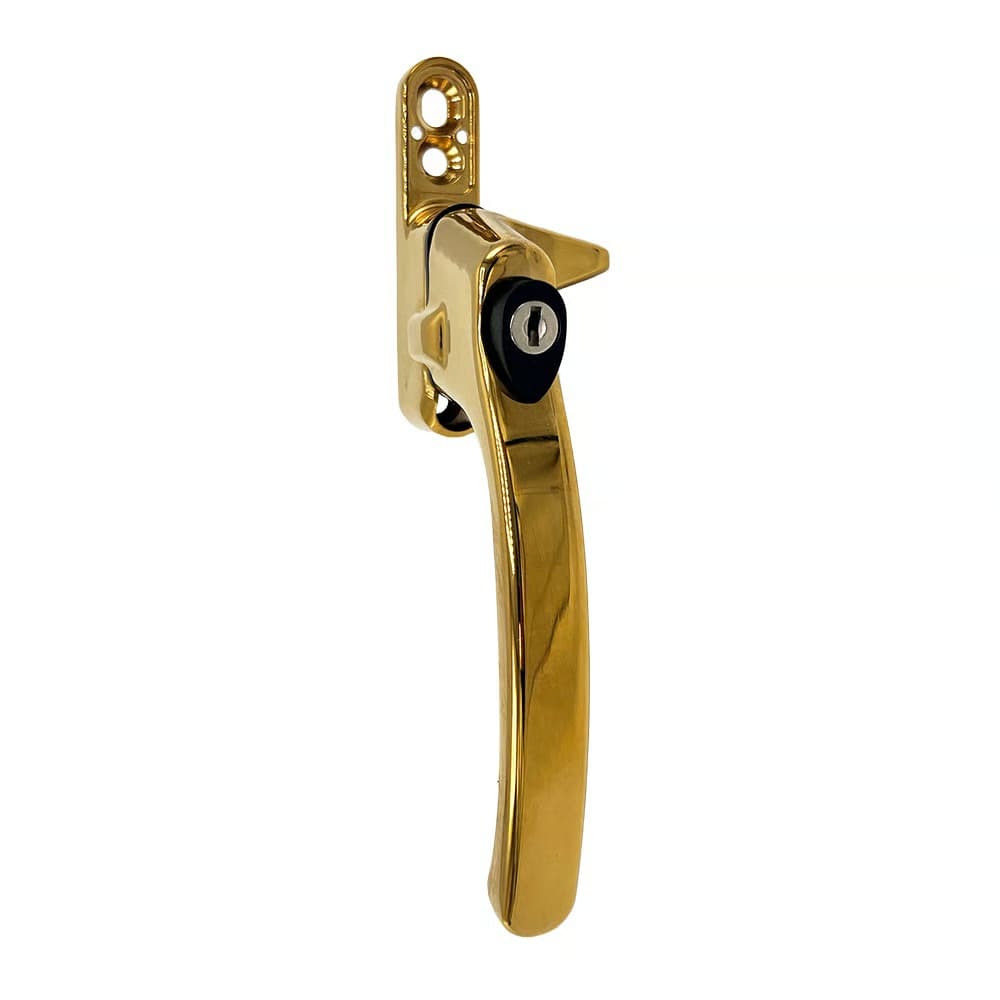
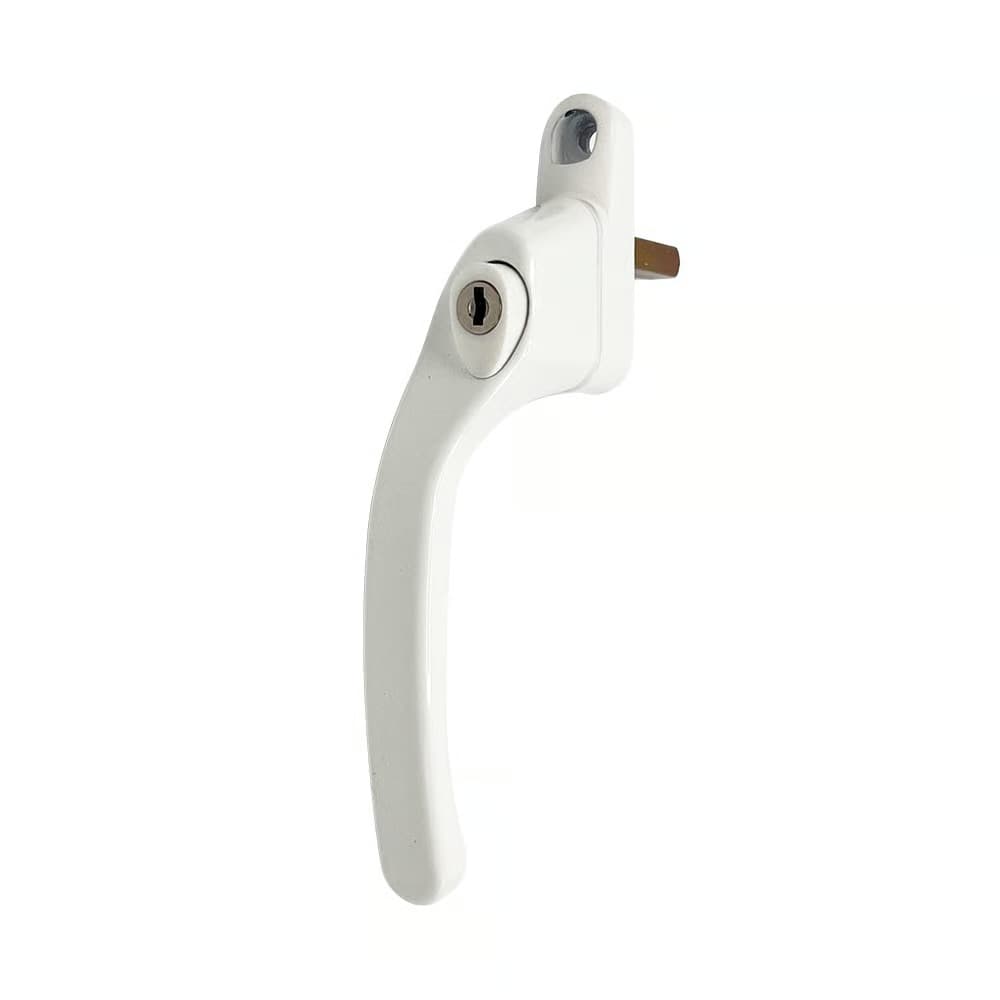
Double Glazing Window Handles Replacements: How to Measure for Fit
Replacing handles on double glazing units requires accurate measurement and matching to the existing window hardware. This guide explains how to identify c...
Replacing handles on double glazing units requires accurate measurement and matching to the existing window hardware. This guide explains how to identify common handle types, take precise measurements and choose suitable replacements so that new handles fit and operate correctly. Practical steps are provided for homeowners and tradespeople working on uPVC, aluminium and timber windows.
Identify the handle type first
Different handle styles require different measurements and fixation points. Common types on double glazing are espagnolette (espag) handles for tilt-and-turn and casement windows, cockspur handles for simple casements, and more traditional lever/fixture handles for timber frames. Confirm the existing handle style by examining the mechanism that engages the locking system:
- Espagnolette (espag) handles have a square spindle and operate a multi-point espag or gearbox.
- Cockspur handles have a curved hook that engages directly with the frame.
- Standard lever handles for timber often use a threaded boss and backplate.
Tools and preparatory checks
Required tools:
- Tape measure and vernier calipers (for accuracy)
- Ruler and marker
- Phillips and flat-head screwdrivers
- Allen keys (if applicable)
- Spirit level (to check alignment)
- Clean the area so measurements are not obscured by dirt or paint.
- Note the window handing (left or right opening). This affects latch orientation and spindle direction.
- Take photos of the handle and gearbox from different angles to reference when ordering.
Key measurements to take
1. Centre-to-centre screw distance - Measure between the centres of the two fixing screws on the handle backplate. This is often 43mm or 92mm on some handles, but variations exist. Measure to the nearest millimetre. 2. Spindle size and length - Remove the handle and measure the spindle width (commonly 7mm or 8mm square) and the length protruding from the window mechanism. The spindle must be long enough to engage but not so long that it compromises the handle. 3. Backset and projection - For handles mounted on a backplate, measure the distance from the window face to the centre of the spindle (backset). Also measure how far the handle projects from the frame to ensure clearance. 4. Handle height and plate dimensions - Measure the overall backplate height and width, and distance from top to spindle and spindle to bottom fixing. These dimensions determine visual fit and whether the new handle will cover old screw holes. 5. Lock type and cylinder position (if applicable) - For locking handles, measure the distance from the top of the handle to the centre of the keyhole or cylinder. Note whether the lock is a Euro cylinder, and record its size and handing. 6. Locking cam/bolt position on cockspur - For cockspur handles, measure the distance from the handle fixing to where the spur engages the frame and note the spur profile.
Record each measurement and label photographs accordingly.
Specific measurement scenarios
- Espag/espagnolette handles: In addition to spindle and screw centres, determine whether the handle uses a bolt through the gearbox (fixing into the espag strip) or into the sash. Some espag handles are reversible; check whether the handle can be rotated for left- or right-handed windows.
- Cockspur handles: Measure the spur reach — how far the hook needs to extend to latch securely. Profiles vary and a mismatched spur can prevent positive engagement.
- Multipoint lock systems: If the handle operates a multi-point lock, note the gearbox type or espag strip code stamped on the mechanism. Replacement handles must be compatible with the gearbox actuation (square spindle or splined).
Ordering the correct replacement
Match the measured screw centres, spindle size and handedness to product specifications. Most suppliers provide detailed dimension charts for each handle model. When the exact screw centre cannot be matched, consider a handle with a longer backplate that will cover the older holes while keeping fixings into solid frame material.
Select handles with appropriate corrosion resistance and finish for the property’s location (for example, stainless-steel fixings for coastal properties). Lockable handles require a cylinder size and keying option; specify whether keyed alike sets are needed.
Installation tips and common pitfalls
- Do not overtighten fixing screws; this can deform uPVC and misalign the mechanism.
- Ensure the spindle engages fully with the gearbox before fixing the handle captive.
- Check the handle’s operation through several open/close cycles to verify that locking points engage smoothly.
- If new screw holes are required, drill pilot holes into timber or reinforced uPVC only where reinforced inserts exist. Avoid drilling into the glass bead or gasket.
- Confirm that the handle covers previous holes for a tidy finish; gap fillers or cosmetic caps can be used where small discrepancies occur.
- For lockable handles, test keys and ensure all keys operate smoothly before leaving the job.
When to replace the whole mechanism
If the gearbox, espag strip or locking multi-point mechanism shows wear, corrosion or broken studs, replacing just the handle may be a temporary fix. Replacing the gearbox or espag strip at the same time avoids repeat visits and ensures reliable security. Tradespeople should assess the condition of internal fixings when removing the old handle.
Safety and compliance
Follow manufacturer torque recommendations and use recommended fixings. For windows above ground level, ensure safe access and use suitable ladders or platforms. When replacing lockable handles, maintain key control and document key numbers if supplied.
Accurate measurement and correct product selection reduces returns and ensures the new handle integrates seamlessly with the existing locking system. The practical checks and measurements in this guide assist both homeowners and tradespeople in achieving a secure, functional replacement for double glazing window handles replacements.