Double Glazing Window Handles Replacements: Maintenance Tips
Double glazing window handles replacements are a common maintenance task that extends the service life of casement windows and preserves security, function...
Double glazing window handles replacements are a common maintenance task that extends the service life of casement windows and preserves security, functionality and appearance. Worn handles, stripped threads, broken spindles or chipped finishes can turn a simple open-and-close operation into a safety risk. This guide provides practical, actionable advice for homeowners and tradespeople on diagnosing problems, choosing suitable replacements and performing efficient, durable installations.
Identifying when replacement is necessary
Handle failure presents in several recognisable ways: the handle spins without engaging the gearbox, the window fails to lock, the handle wobbles on its backplate, or corrosion and cosmetic damage have compromised usability. Routine inspection during seasonal maintenance will reveal loose fixings, rust on metal components and play around the spindle. When components are seized, plastic is cracked, or the spindle is rounded off, replacement is usually more cost-effective and reliable than repair.
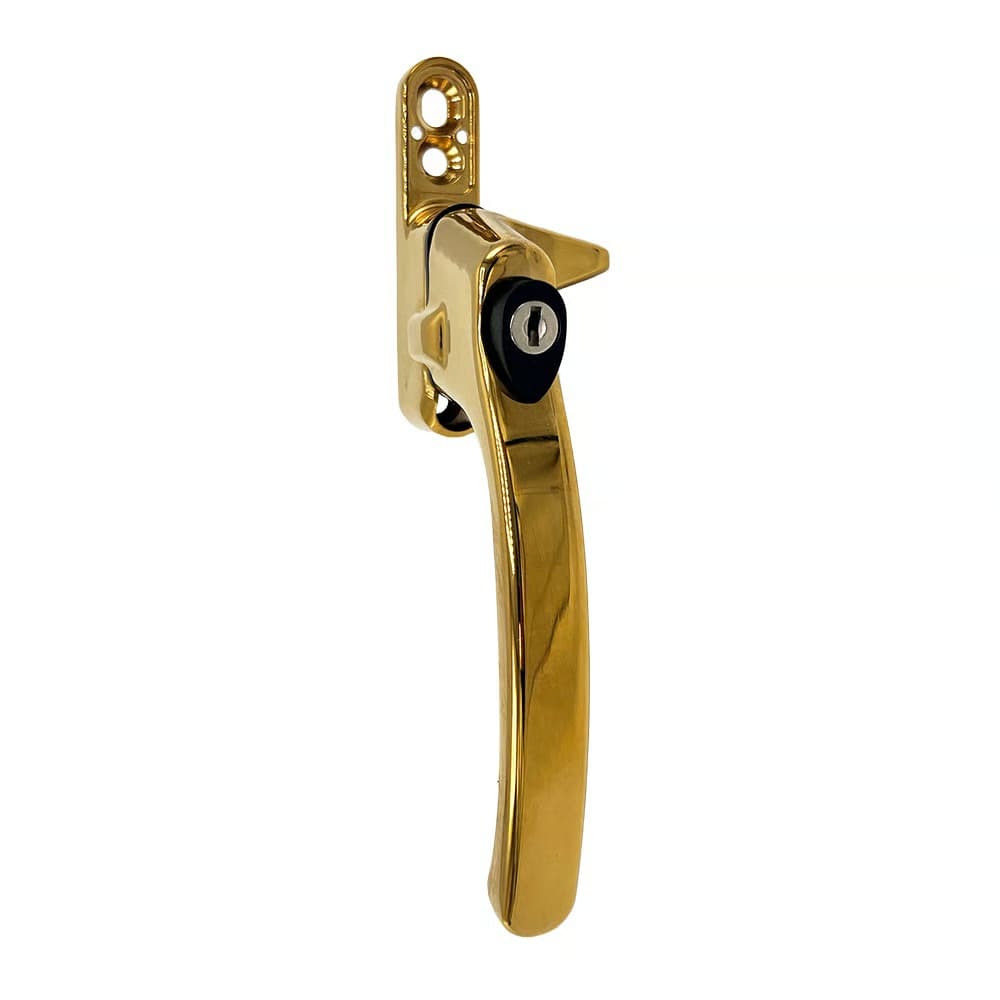
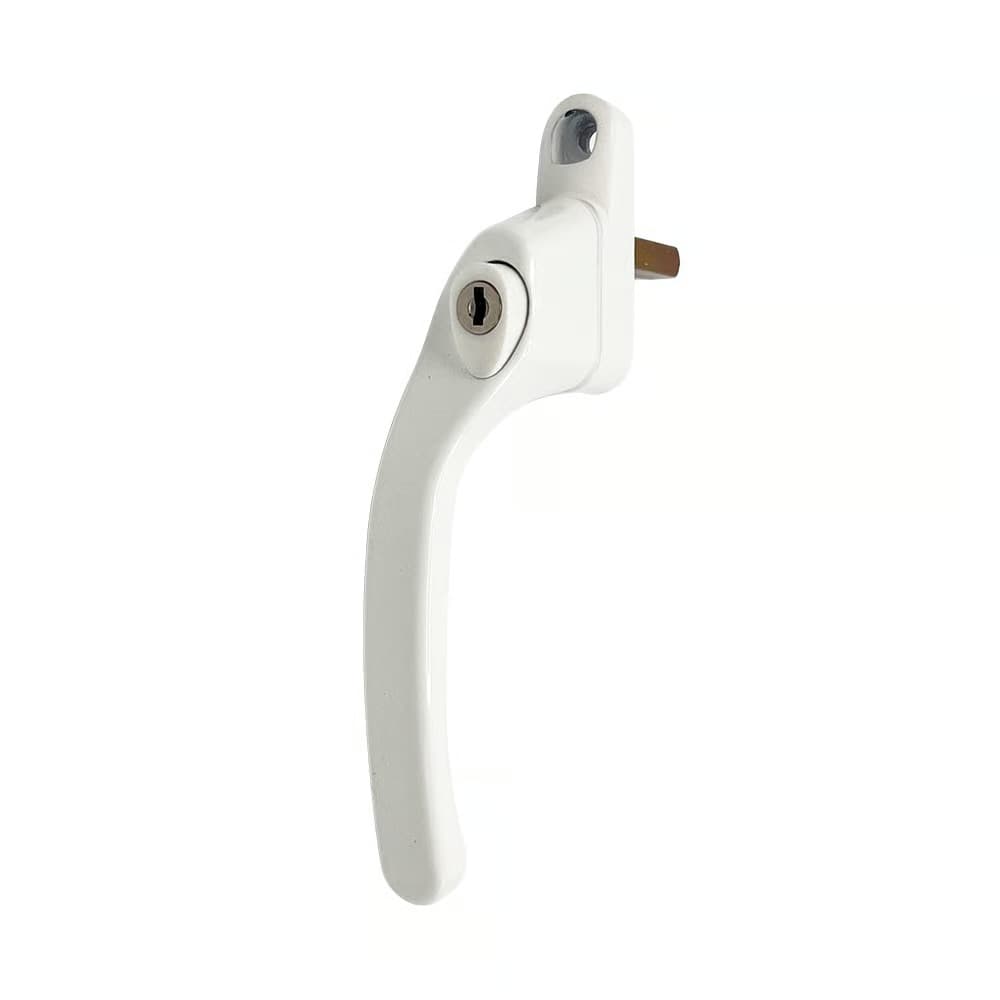
Record the existing handle type, fixing centres (the distance between screw holes), spindle size and backplate dimensions. Matching these measurements avoids unnecessary modifications to the window frame. Common handle types include espagnolette (espag) handles, cockspur handles and multi-point locking handles; an espag handle may be replaced with a direct-fit espag model, such as the TSS Cockspur Window Handles, while older cockspur hardware can be renewed with a like-for-like option like the TSS Cockspur Window Handle. Where branded or OEM fitment is required, compatible alternatives such as the TSS Offset UPVC Window Handles are often available.
Preparing for a replacement
Preparation reduces on-site time and minimises mistakes. Assemble basic tools: a Phillips and flat-head screwdriver set, an adjustable spanner, a tape measure, a metal file for spindle adjustments, cleaning cloths, penetrating oil and light grease. PPE should include safety glasses and gloves especially when working at height. Confirm that the replacement handle’s spindle length is compatible; excessively long spindles should be cut square and deburred to avoid binding.
Work from a stable platform and ensure the window is fully supported in the open position where needed. For trade work, a quick photographic record of the existing handle orientation and screw placement assists later refit and serves as a service record.
Removal of the old handle
Begin by isolating the window lock: move the handle to its neutral or unlocked position. Remove visible fixings and keep screws in a labelled container. If screws are painted over or corroded, apply penetrating oil and allow dwell time before attempting removal to avoid screw head damage. For concealed fixings, retract the backplate or remove a small cover cap using a flat-head screwdriver.
When the spindle is stiff or rusted, gentle rotation while applying penetrating oil will free it. Avoid excessive force that could damage the gearbox. Once screws and spindle are removed, lift the handle assembly clear. Inspect the gearbox and keep any reusable screws if they are in serviceable condition.
Installing the replacement handle
Dry-fit the new handle to confirm alignment. The backplate must sit flush against the frame and the spindle should engage the gearbox squarely. If the spindle is too long, measure twice and trim with a hacksaw, then file to a clean square edge. For trade installations, use a torque screwdriver or feel to avoid over-tightening; screws should be secure without crushing the handle’s backplate.
Apply a light smear of multi-purpose grease to the spindle and gearbox interface to reduce friction and prevent galvanic corrosion. Fit the handle in the locked and unlocked positions to confirm smooth operation and full engagement of the locking mechanism. Check that the handle returns to the correct neutral or fasten position and that the window locks reliably into the frame.
Adjustments, security enhancements and finishing touches
If the handle operation feels tight or loose after installation, fine adjustments may be required to the lockcase keepers or striker plates. Tradespeople should use manufacturer tolerances when adjusting keeps to prevent premature wear. For enhanced security, consider handles with built-in key locking or childproof mechanisms; replacing a basic handle with a locking model can upgrade security without changing the locking internals.
Cosmetic finishing is important for homeowner satisfaction. Touch up surrounding paintwork where screws were removed, and replace stripped screw heads to present a professional finish. Remove debris and lubricant residue from the frame and glass using a non-abrasive cleaner.
Common pitfalls and how to avoid them
- Incorrect measurements: Always measure fixing centres, spindle size and backplate dimensions before ordering. Dimension errors are the most frequent cause of returns and rework.
- Using wrong fixings: Use stainless steel or plated screws suitable for exterior use to prevent future corrosion. Avoid over-long screws that may contact glass or inner frame hardware.
- Neglecting lubrication: Failure to grease moving parts leads to rapid wear and noisy operation. Light grease at installation protects the gearbox and spindle.
- Reusing damaged components: Stripped spindles, corroded screws or damaged backplates should be discarded. Replacing these parts prevents repeat call-outs.
When to call a specialist
Simple replacements are suitable for confident homeowners and most tradespeople. However, if the gearbox is damaged, the window exhibits structural movement, or the locking mechanism requires re-machining, a specialist glazier or security hardware engineer should be engaged. Complex multi-point locking systems demand experienced adjustment to maintain accreditation and warranty conditions.
Routine maintenance to reduce future replacements
A small seasonal maintenance routine will extend the lifespan of handles: clean contacts and moving parts, lubricate spindles and lockcases annually, tighten fixings and inspect for corrosion. A maintenance log helps tradespeople track interventions and anticipate replacements as part of managed property upkeep.
Double glazing window handles replacements need not be disruptive. With the correct measurements, appropriate replacement hardware and a methodical installation approach, functionality and security can be restored quickly and cost-effectively. For a wider overview of handle types, fixing methods and troubleshooting, consult the comprehensive Window Handles Guide.