Double Glazing Window Handles Replacements: Matching Screw Centres
Double glazing window handles replacements are a common maintenance task for homeowners and tradespeople. Correctly matching screw centres is one of the ke...
Double glazing window handles replacements are a common maintenance task for homeowners and tradespeople. Correctly matching screw centres is one of the key factors that determines whether a replacement handle will fit without modification. This guide explains how to measure, choose and fit replacement handles for various window types, with practical tips to avoid mistakes and ensure a secure, long-lasting installation.
Why screw centres matter
Screw centres describe the distance between the fixing holes on a window handle. Manufacturers use standard centres for different handle styles, but slight variations exist between espag, cockspur and traditional designs. Selecting a handle with the wrong screw centres can result in holes that don’t line up, causing cosmetic damage or insecure fixings. Accurate measurement prevents wasted time and avoids the need to fill and redrill screw holes.
Identify the handle type first
Before measuring, identify the handle type. Common types for double glazed windows include espag (espagnolette) handles, cockspur handles and lever-style handles for older timber frames. Each type usually has its own common screw centre standards:
- Espag handles typically use a centre suited to the multi-point locking spindle and screw positions.
- Cockspur handles often have smaller centres that align with the casement frame.
- Lever-style or patio handles may use larger centres and different spindle sizes.
Tools and preparation
Essential tools:
- Steel ruler or vernier caliper (for accurate measurement to 0.5 mm)
- Screwdriver set
- Masking tape and pencil (to mark holes)
- Drill with appropriate bits (only if new holes are required)
- Rawl plugs or frame-compatible fixings (for masonry or loose frames)
Measuring screw centres correctly
Precise measurement is vital. Measure from the centre of one screw hole to the centre of the other screw hole, not from the outside edge of the handle plate. If holes are countersunk, measure to the deepest point of the countersink where the screw head sits. Common screw centre sizes include 38 mm, 43 mm and 45 mm for cockspur and 92 mm, 106 mm for certain espag variants — but never assume; always measure.
Tip: If the existing holes are enlarged or damaged, measure the distance between the centres of the original screw positions using masking tape pressed over the holes, then mark and measure the tape.
Choosing a matching replacement
Once the screw centre measurement is known, choose a replacement handle that declares the same centre. When using an espag handle, ensure spindle size and rotation direction match the existing mechanism. Many espag handles are handed (left or right) and locking types may require a key or button.
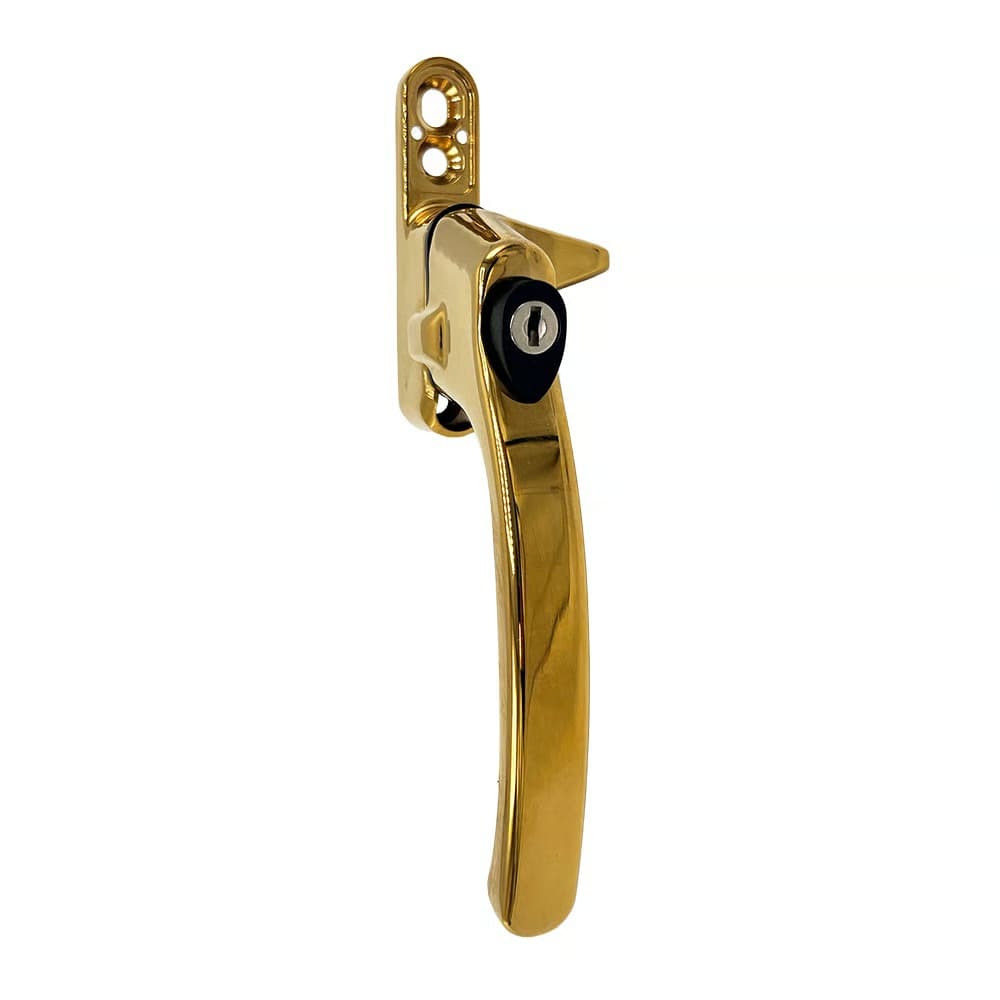
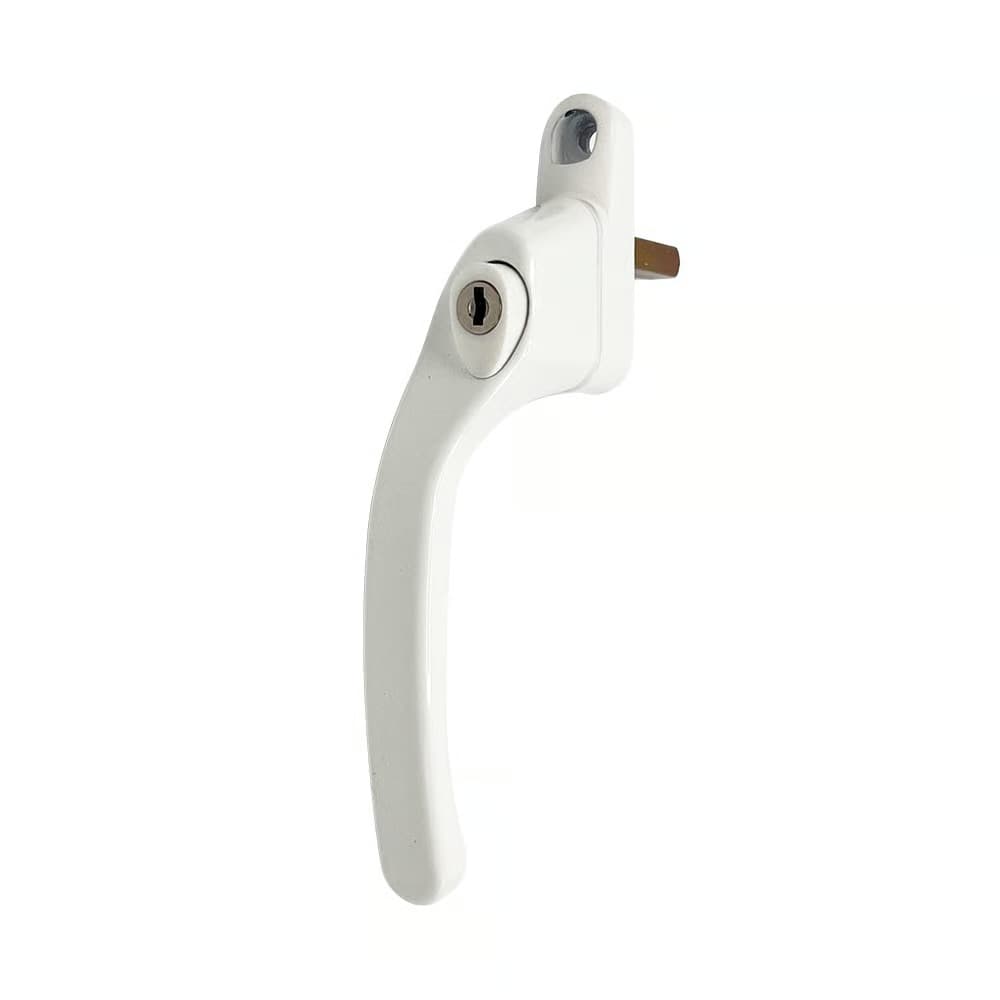
Examples of compatible types include the TSS Cockspur Window Handle for cockspur systems and the TSS Offset UPVC Window Handles for popular lever variants. Each product description typically states the screw centres and spindle dimensions, so check these specifications before purchase.
Installation steps
1. Remove the old handle by unscrewing the fixings. 2. Inspect the screw holes and surrounding frame. Repair or fill enlarged holes with an appropriate filler or replace fixings if loose. 3. Position the new handle, ensuring the spindle engages the lock mechanism squarely. Align the screw holes to the measured centres. 4. Mark the hole positions with a pencil through the handle’s fixing holes if new holes are required. 5. If drilling new holes, use a drill bit sized for the cavity and any rawl plug intended. Avoid drilling through the glazing bead or glass seal. 6. Secure the handle with screws supplied, tightening evenly to avoid distortion of the handle plate. Do not overtighten; this can strip thread or deform plastic roses. 7. Test the handle’s operation through several open/close cycles to confirm smooth engagement and that multi-point locking works correctly.
Common problems and fixes
- Holes don’t line up: Double-check measured centres. If misaligned by only a few millimetres, use elongated screw slots or a thin washer to compensate; otherwise fill and redrill in the correct position.
- Loose handle after installation: Use longer screws or appropriate frame fixings; for uPVC frames, use specialist frame screws that expand in the hollow chamber.
- Spindle too short or long: Replace with a correct-length spindle or use spindle extensions where applicable. Ensure the spindle sits fully into the internal gearbox.
- Incorrect handedness: Some espag handles are handed; swapping to the correct left/right version fixes operation issues.
Practical tips for tradespeople and homeowners
- Always keep one accurately measured spare handle type for each property; this saves return trips.
- When fitting to uPVC, use screws that penetrate the internal reinforcement where possible for added strength.
- For listed or historic properties, preserve original appearance by matching handle finish as well as screw centres.
- Record the screw centres and spindle sizes for each window in a maintenance log for future reference.
Final considerations
Replacing double glazing window handles is straightforward when screw centres and spindle measurements are taken accurately. Choosing handles designed for the specific locking system minimises compatibility issues and improves security and longevity. Whether replacing a single handle or several across a property, following the measuring and installation steps above leads to a professional result.