Double Glazing Window Handles Replacements: Quick Checklist
Double glazing window handles replacements require a practical, methodical approach to ensure safe, secure and smoothly operating windows. Homeowners and t...
Double glazing window handles replacements require a practical, methodical approach to ensure safe, secure and smoothly operating windows. Homeowners and tradespeople benefit from a clear checklist that covers identification of handle type, accurate measurements, tool preparation, compatibility checks and installation tips. This guide provides an actionable checklist for common scenarios, including espagnolette (espag) and cockspur handle replacements, and highlights typical pitfalls to avoid.
Identify the handle type and locking mechanism
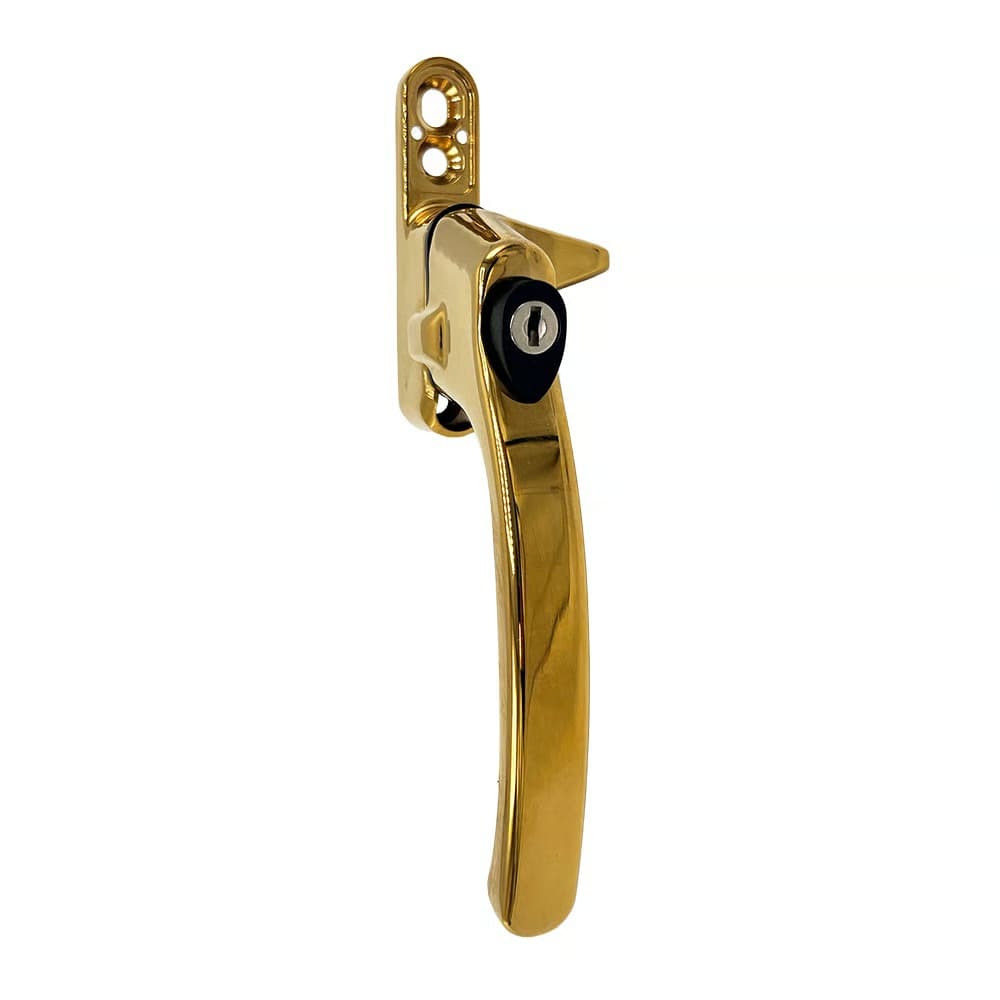
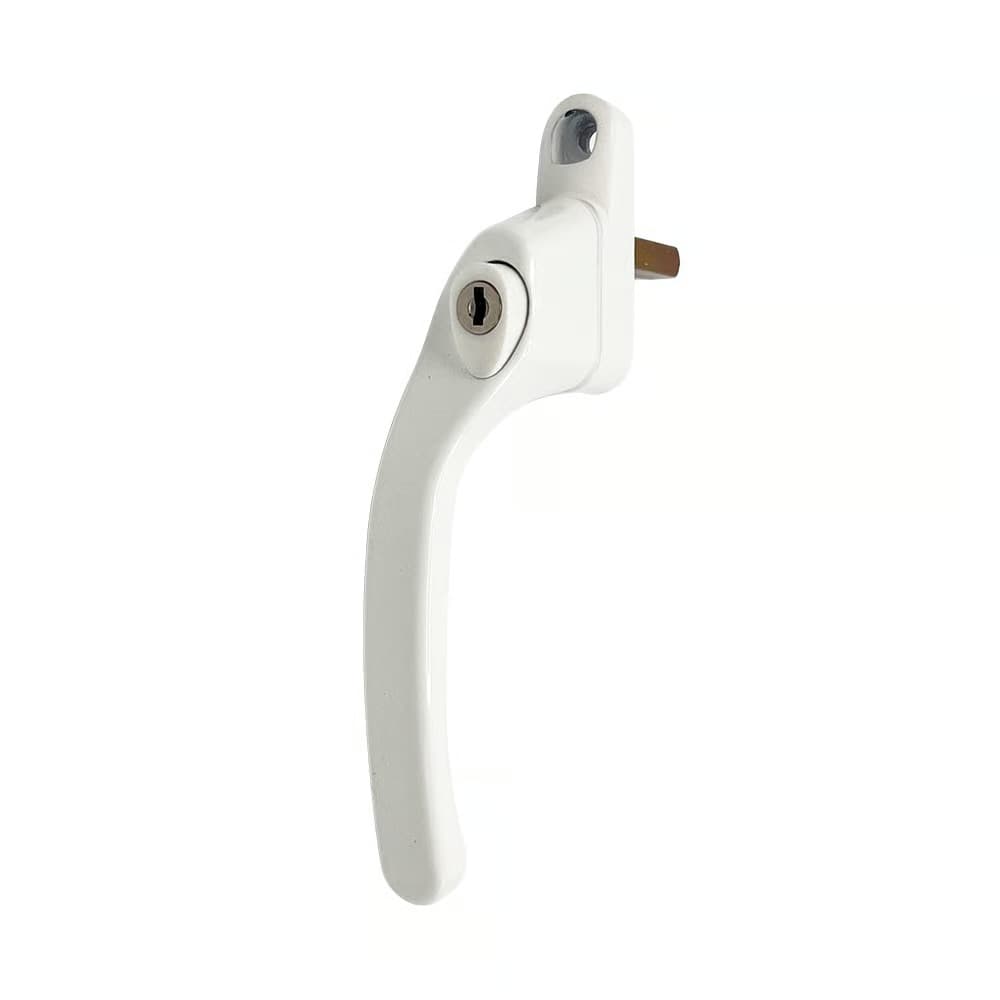
Correct identification prevents ordering the wrong part and reduces installation time. Common types for double glazed windows are espag (espagnolette) handles used with multipoint espag locks, cockspur handles used on older or simpler casement windows, and tilt-and-turn or panic hardware on more specialised windows. Visual inspection should note:
- Handle style: lever, cranked, or push-button locking head
- Lock type: espagnolette (rod operates into keep), cockspur (cam engages frame), or through-the-frame bolt
- Fixing method: visible fixing screws on the faceplate or concealed fixings accessed by removing the handle cover
Measure before ordering
Accurate measurements are essential to ensure the replacement handle will fit the existing spindle and screw positions. Key measurements include:
- Backset/spindle position: measure from the base of the handle rose to the centre of the spindle hole
- Spindle length and thickness: standard sizes are 7mm square for many espag and cockspur handles, but confirm with actual measurement
- Fixing screw centres: measure the distance between the two fixing screw centres on the handle rose (common patterns include 43mm, 85mm and 92mm)
- Projection and clearance: measure handle projection to ensure it clears plaster, tiles or external cills when operated
Check security and locking function
When assessing a handle for replacement, test the locking function and check for wear or damage in the keeper, espagnolette mechanism or cam. Signs that indicate replacement rather than repair include:
- Excessive play in the handle or spindle
- Difficulty operating the locking mechanism or catching on the keep
- Visible corrosion or stripped screw threads
- Movement or distortion in the frame around the handle
Prepare tools and materials
A concise tool kit prevents delays. Typical items required for most handle replacements:
- Torx and Phillips screwdrivers, plus a small flat screwdriver to remove dust caps
- Allen keys for grub screws on some handle varieties
- Selection of 7mm and 8mm square spindles, and a universal connecting spline
- Replacement fixings (stainless steel screws of correct length and diameter)
- Mastic or silicone for weather-tightening if the handle removal exposes frame seals
- Cloth and lubricant (graphite or light machine oil) to ease moving parts after installation
Installation checklist — step-by-step
Follow a methodical sequence to maintain alignment and security:
1. Secure the window in the closed position and pad the sill to catch dropped screws. 2. Remove decorative cover caps and loosen grub screws or remove visible fixing screws. Retain screws and caps in a small container. 3. Withdraw the handle and measure the spindle and fixing centres once exposed to confirm compatibility. 4. Fit the new handle onto the existing spindle (or new spindle if required). Ensure the handle sits square and the spindle engages fully into the lock mechanism. 5. Hand-tighten screws initially, check operation of the handle through full travel, then torque up the fixings evenly. Avoid overtightening which can crack PVCu roses. 6. Refit cover caps and test the locking with the key or push-button operation to confirm correct engagement.
For espag handles working a multi-point lock, exercise the handle several times after installation to seat the lock bolts and confirm the keep alignment. Minor adjustment to frame keeps is common and straightforward with adjustable keep plates.
Common problems and remedies
- Misaligned fixes: If screw holes do not match the new handle, use a rose spacer or a handle base adaptor plate rather than enlarging frame holes.
- Stiff operation: Clean the spindle and apply a light lubricant, and check the espag rod is free of debris. Avoid using grease that attracts dust.
- Stripped threads: Use slightly larger stainless steel screws with a plastic anchor, or fit thread repair inserts where accessible.
- Different spindle size: Fit a universal spindle adaptor or replace the lock mechanism if the door/window requires a non-standard size.
Final checks and maintenance
After replacement, complete a focused checklist to ensure longevity:
- Test lock engagement and operation repeatedly
- Check for wobble in the handle and re-torque fixings if necessary
- Clean any silicone or mastic residues and ensure seals are intact
- Advise homeowners on simple maintenance: wipe handles periodically and apply light lubricant annually