Double Glazing Window Handles Replacements: Spindle Length Explained
Double glazing window handles are a small component with a big impact on security, operation and appearance. When a handle becomes worn, loose or broken, r...
Double glazing window handles are a small component with a big impact on security, operation and appearance. When a handle becomes worn, loose or broken, replacing it is often straightforward — provided the correct spindle length and handle type are chosen. This article explains spindle length, how to measure it, compatibility considerations and step-by-step replacement guidance for homeowners and tradespeople tackling double glazing window handles replacements.
What spindle length means and why it matters
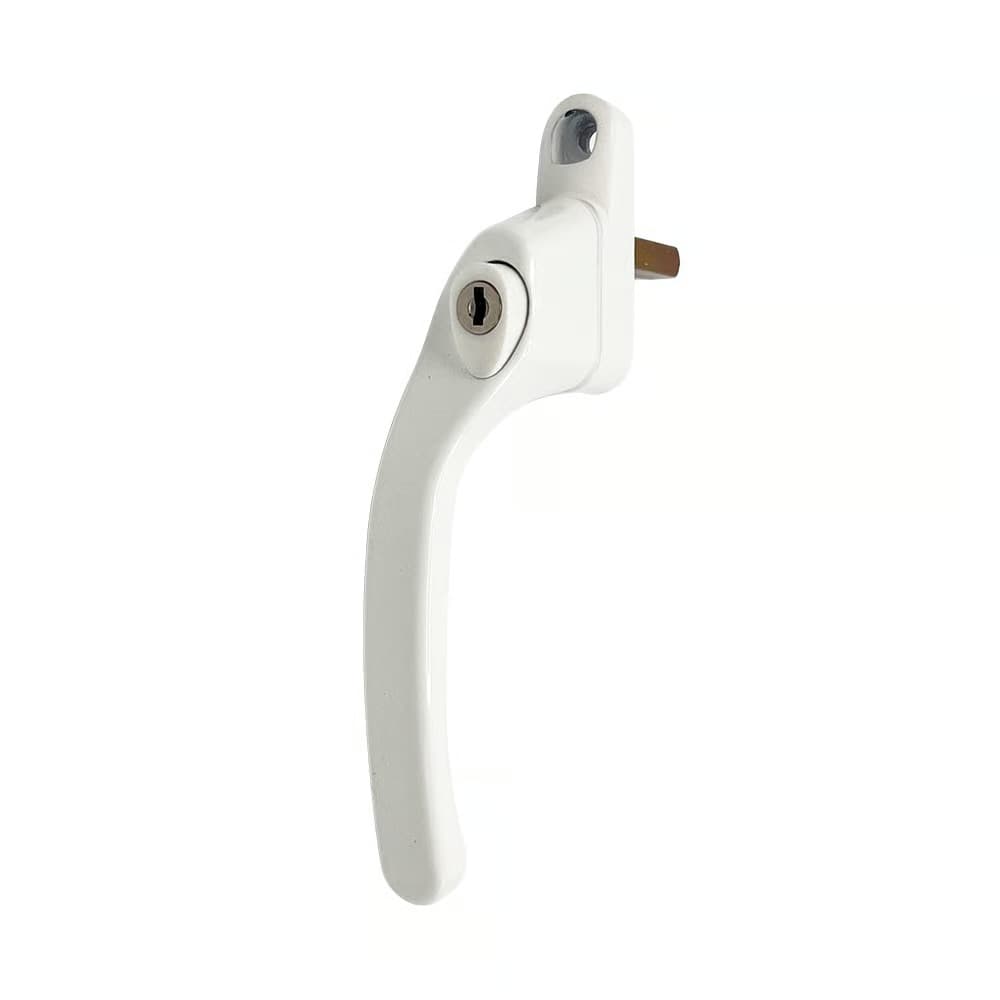
The spindle is the square metal bar that connects the handle to the locking mechanism inside the window. Spindle length refers to the overall length of that bar that protrudes through the handle and into the gearbox. If the spindle is too short the handle will not engage the gearbox properly; too long and it can bottom out, preventing the handle from sitting flush or operating the lock fully. Correct spindle length ensures smooth operation, full locking travel and a tidy finish.
Choosing the wrong spindle length is a common cause of failed double glazing window handles replacements, resulting in wobbly handles, partial locking engagement or stripped gearboxes. Measuring accurately before ordering a replacement prevents rework and returns.
Types of handles and spindle requirements
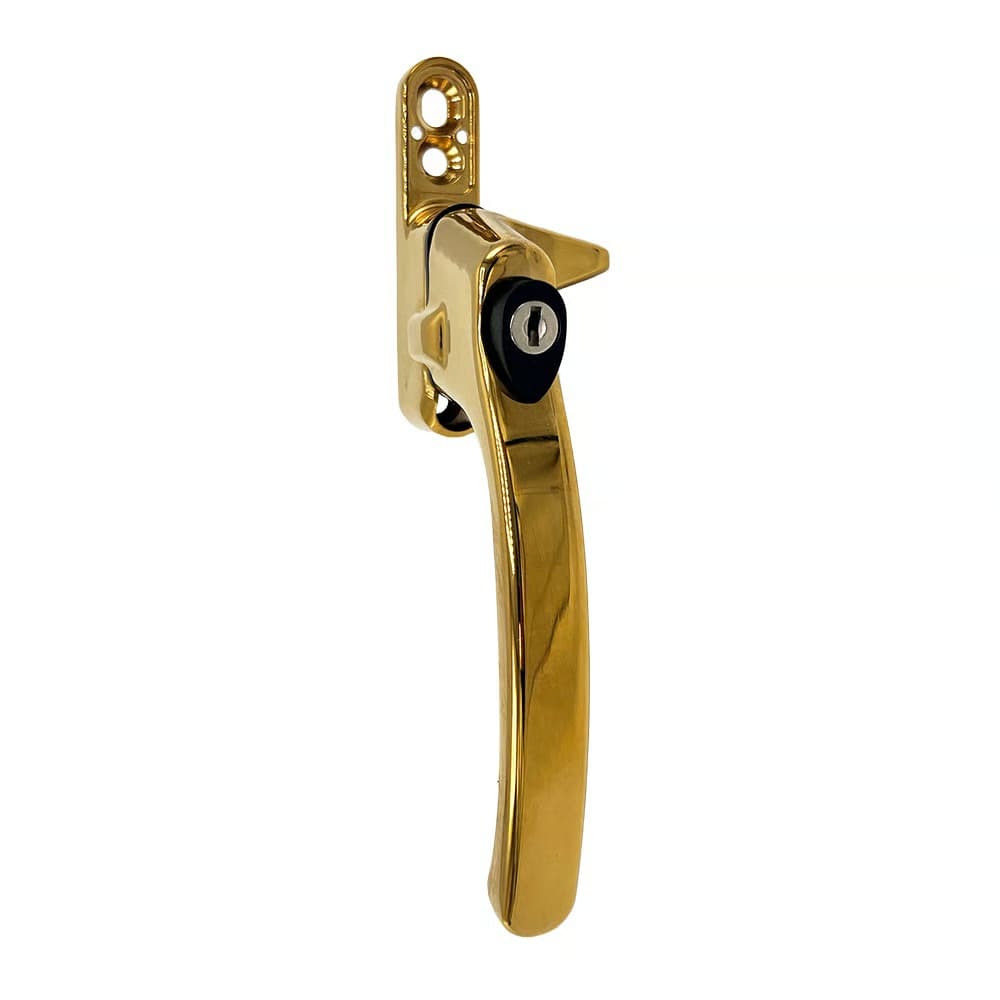
Different handle styles and lockcases require specific spindle types and lengths. Common styles include espag (espagnolette) handles for casement windows, cockspur handles for older timber or metal frames, and multi-point handles for contemporary uPVC systems.
- Espag handles use a spindle that engages a gearbox and espagnolette locking mechanism. The spindle is usually 7 mm square for domestic systems but confirm against the existing hardware.
- Cockspur handles use a small rotating cam rather than a gearbox; the spindle is shorter and often thinner.
- Some replacement handles come with adjustable or removable sleeves to accommodate different faceplate thicknesses, reducing the need for exact spindle matching.
How to measure spindle length correctly
Accurate measurement is essential for successful double glazing window handles replacements. Follow these steps:
1. Remove the handle from the spindle by undoing any visible screw(s) and pulling the handle straight off. Retain screws and any shims or sleeves. 2. Measure the exposed square section from end to the point where it meets the handle or gearbox housing. Use calipers or a steel rule for precision and record in millimetres. 3. Measure total spindle length including the portion inside the handle if visible; some systems use longer spindles with collars or sleeves. 4. Confirm spindle thickness (commonly 7 mm square for espag). Measure across flats of the square spindle. 5. Note the backset — the distance from the handle fixing centre to the edge of the window profile — as some handles have fixed bases that require specific backset dimensions.
Record measurements and photograph the existing assembly. These details enable accurate ordering and help tradespeople match parts across different windows.
Practical replacement steps
A straightforward process makes double glazing window handles replacements quick and reliable. Recommended tools: cross-head screwdriver, flat screwdriver, tape measure, spirit level and replacement handle kit.
1. Secure the window open or closed to prevent movement. For casement windows, wedge the sash to avoid accidental slamming. 2. Unscrew and remove the existing handle. Keep all fixings and note the orientation of the spindle and any shims. 3. Inspect the gearbox or lockcase for damage. If the gearbox is worn, replacing the handle alone may not restore secure operation. 4. Fit the replacement spindle or sleeve if provided. Slide the new handle onto the spindle ensuring correct alignment of the square flat faces. 5. Tighten the handle grub screw or fixing screw to the manufacturer torque recommendation. Over-tightening can strip threads; under-tightening causes play. 6. Test the handle operation through the full open-to-lock cycle, checking for smooth travel and firm engagement. 7. Re-check the window locking points and adjust striker plates or keeps if the lock does not align.
For trade-level jobs, where multiple windows require replacement, photograph each handle position and record measurements to place accurate bulk orders.
Common issues and troubleshooting
- Handle wobbles after replacement: likely under-tightened grub screw or worn spindle. Remove the handle and check for stripped sections. Replace the spindle or handle assembly if needed.
- Handle will not engage lock: spindle too short, wrong orientation or gearbox failure. Measure again and verify compatibility.
- New handle sits proud of the frame: spindle too long or handle base plate not flush. Trim the spindle only if advised by the manufacturer; otherwise fit a shorter spindle or use adjustable sleeves.
- Keyed handles not locking: mismatch between handle and locking mechanism. Confirm whether the sash requires a keyed or non-keyed handle.
Ordering tips and compatibility checklist
To reduce returns and on-site delays when arranging double glazing window handles replacements:
- Match spindle square size (e.g. 7 mm) and measured length.
- Check whether the handle is handed (left or right) — many modern handles are reversible but verify before ordering.
- Confirm screw centres and backset measurements to ensure fixing holes align.
- Buy robust, tested brands for high-traffic windows to extend service life.
- For trade purchases, retain a small stock of common spindle lengths and universal sleeves to speed up repeat jobs.
Safety and maintenance
During replacement, wear eye protection and handle glass panes carefully. Lubricate gearboxes lightly with a suitable dry or graphite-based lubricant; avoid heavy oils that attract dust. Periodic inspection and lubrication extend the life of window hardware and prevent sudden failures.
Double glazing window handles replacements are usually simple tasks with the right measurements, tools and parts. Accurate spindle measurement, correct handle selection and methodical installation return safe, secure and smooth-operating windows. For broader information on handle types, fixing measurements and maintenance, consult the comprehensive Window Handles Guide.