Double Glazing Window Handles Replacements: When the Mechanism Is the Problem
Double glazing window handles replacements can often be more straightforward and cost-effective than replacing whole windows. When the mechanism inside the...
Double glazing window handles replacements can often be more straightforward and cost-effective than replacing whole windows. When the mechanism inside the handle or gearbox is worn or broken, the exterior handle may still look intact while the functionality fails. This guide explains how to diagnose mechanism faults, choose the right replacement parts and carry out safe, practical repairs suitable for both homeowners and tradespeople.
Common signs the mechanism, not the handle, is the problem
Mechanical failures frequently present as restricted movement, loose feel, slipping when engaged, difficulty locking, or a handle that turns without operating the lock. Other indicators include:
- The handle moves freely without resistance, suggesting a stripped gearbox or spindle.
- The handle sits at an unusual angle when at rest.
- Multiple windows of the same set show similar faults, pointing to worn espagnolette gearboxes.
- Rattling noises within the frame when the handle is operated.
Identifying the type of mechanism
Successful repairs begin with correct identification. The most common types are espag (espagnolette) gearboxes, cockspur mechanisms, and butt hinges with multipoint locking systems.
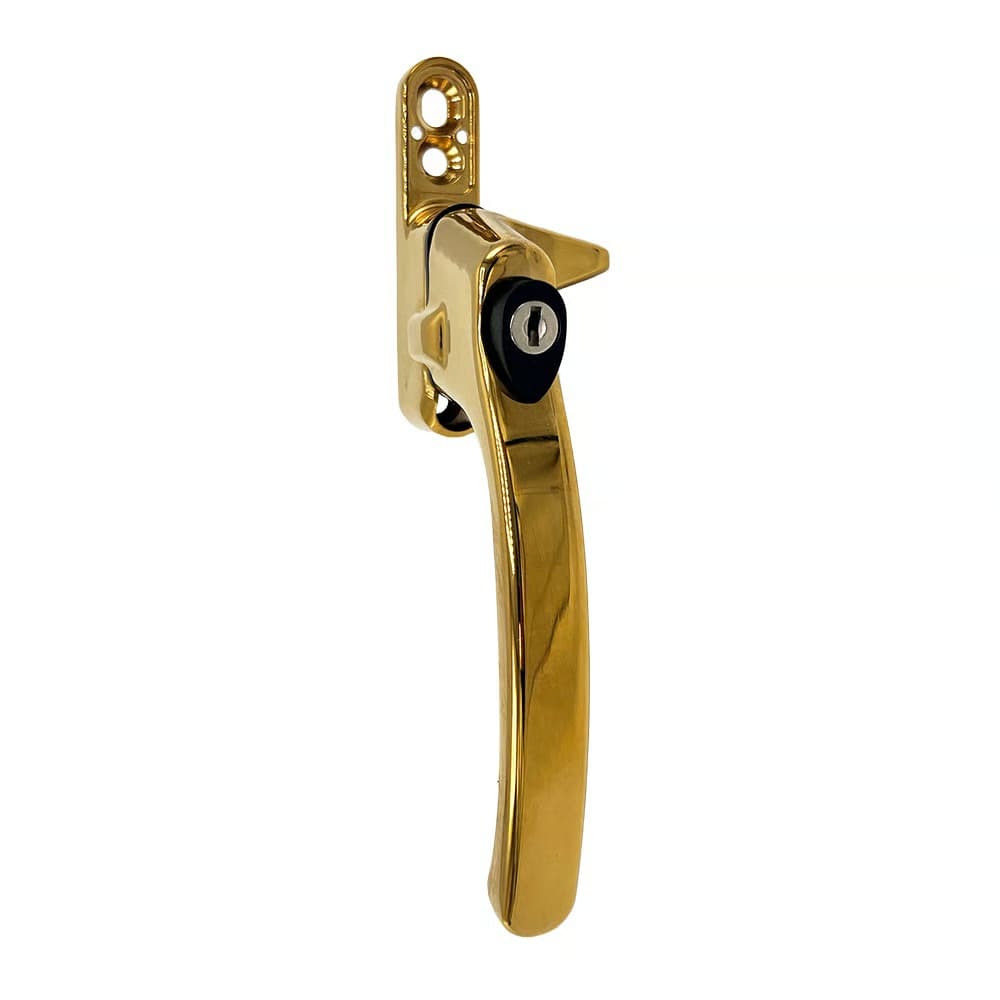
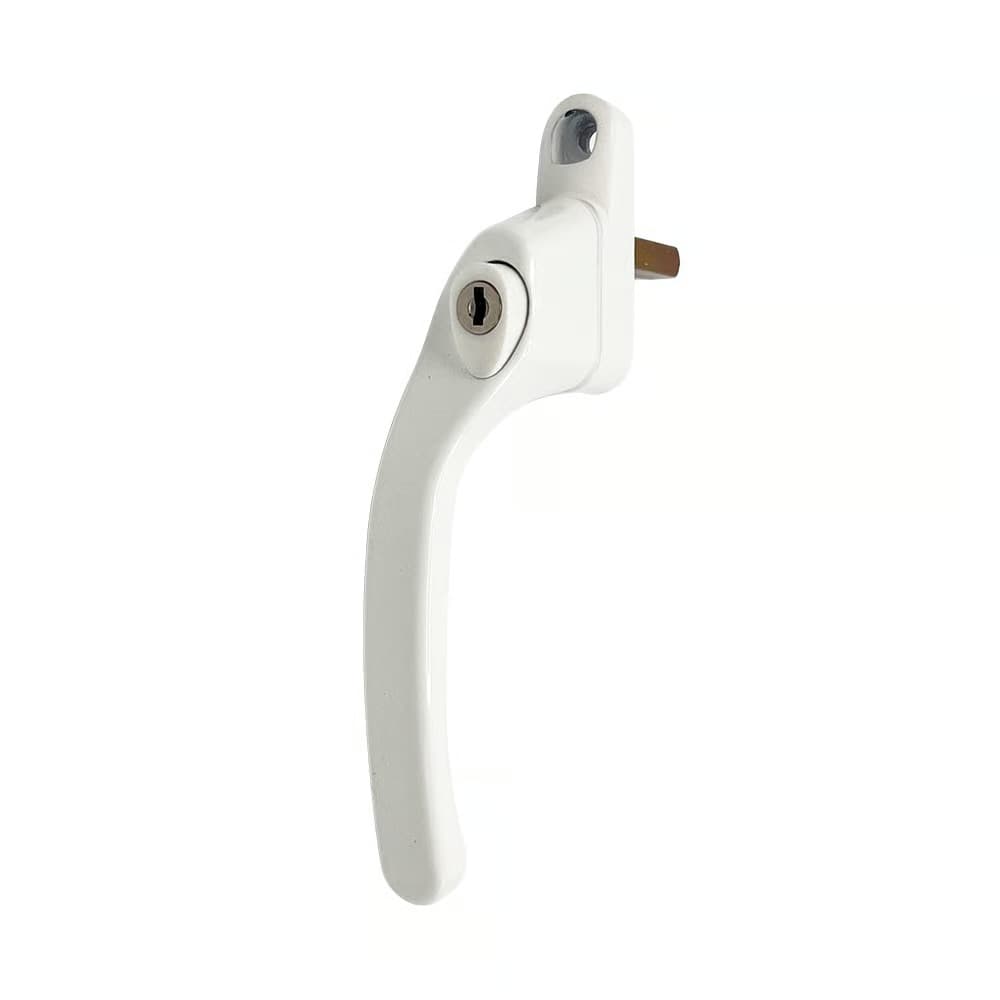
- Espag gearboxes are widely used in modern tilt-and-turn and casement windows. A representative option for when a full handle change is required is the TSS Cockspur Window Handles, which suits many standard espag linkages.
- Cockspur mechanisms are simpler and found in older or traditional casement windows; the TSS Cockspur Window Handle is a typical replacement handle type to pair with new spur hardware.
- Lockable sash handles and handles for new timber windows often use standard spindles and gearbox interfaces; the TSS Offset UPVC Window Handles is a common choice for compatible systems.
Tools and materials required
Tradespeople may already have a comprehensive kit. Homeowners will need a compact set:
- Screwdrivers (Phillips and flat)
- Torx set (common on modern mechanisms)
- Replacement gearbox, spindle or handle as identified
- Fine lubricant (graphite or PTFE recommended)
- Cleaning brush and cloth
- Masking tape and marker to note orientation
- Protective gloves and eye protection
Step-by-step practical replacement advice
1. Secure the window: Open the window to a stable working position and support the sash. Apply masking tape across the frame if necessary to mark hinge positions. 2. Remove the handle: For lockable handles, remove the centre cover to access the screw. For spring-loaded or concealed fixings, use the correct Torx bit. Retain all screws for refitting if the handle will be reused. 3. Inspect the spindle and gearbox: If the spindle is sheared or excessively worn, it is often the primary fault. For espag gearboxes, check for stripped teeth or broken linkages. 4. Remove the gearbox or spindle: Loosen the screws holding the gearbox in place. Note orientation and depth; use a marker or take a photograph to ensure correct reassembly. 5. Fit the replacement part: Insert the new gearbox or spindle to the same depth and angle as the old. Engage the linkage and test the movement before fully tightening fixings. 6. Reattach the handle: Refit the handle, ensuring the spindle engages squarely and the handle returns to the neutral position. Tighten screws evenly and check key-operated locks function correctly. 7. Lubricate and test: Apply a light PTFE or graphite lubricant to moving parts and operate the handle through full travel several times. Confirm locking points engage crisply and the window seals without binding.
These steps apply to common scenarios; complex multipoint systems may require additional gearbox or striker adjustments and are better handled by skilled tradespeople.
Matching finishes and security considerations
When replacing mechanisms, ensure new parts match the existing finish (white, gold, chrome, black) to maintain aesthetic coherence. Security upgrades can be achieved by choosing handles with higher security ratings or anti-snap features and by replacing worn locking keepers or hinges at the same time. For windows that provide escape routes, select handles that comply with building regulations for emergency egress.
When to replace the whole handle assembly or call a specialist
Full handle replacement is appropriate when the handle is badly corroded, bent, or the finish is severely degraded. Call a specialist when:
- The gearbox is integrated into a sash that requires partial removal.
- The window is large or heavy and sash support is complex.
- The locking mechanism involves high-security multipoint locks where alignment adjustments are needed.
- After replacement, the window still leaks or binds, indicating a frame/alignment issue.
Maintenance to prevent future failures
A simple maintenance routine extends the life of window mechanisms:
- Clean and lubricate moving parts annually.
- Inspect handles and fixings every 12 months and tighten loose screws.
- Keep drainage holes clear and frames free from debris that can cause strain.
- Replace worn keeps or strikes promptly to prevent gearbox overload.