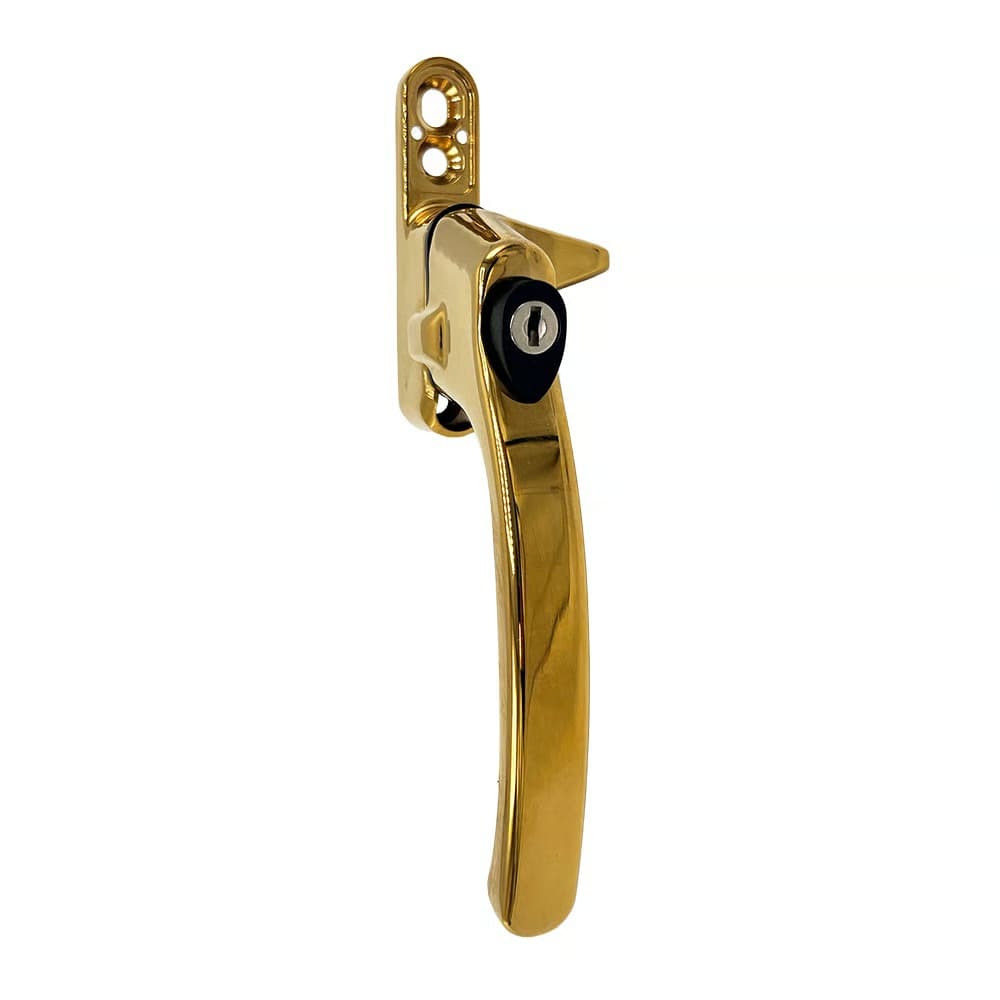
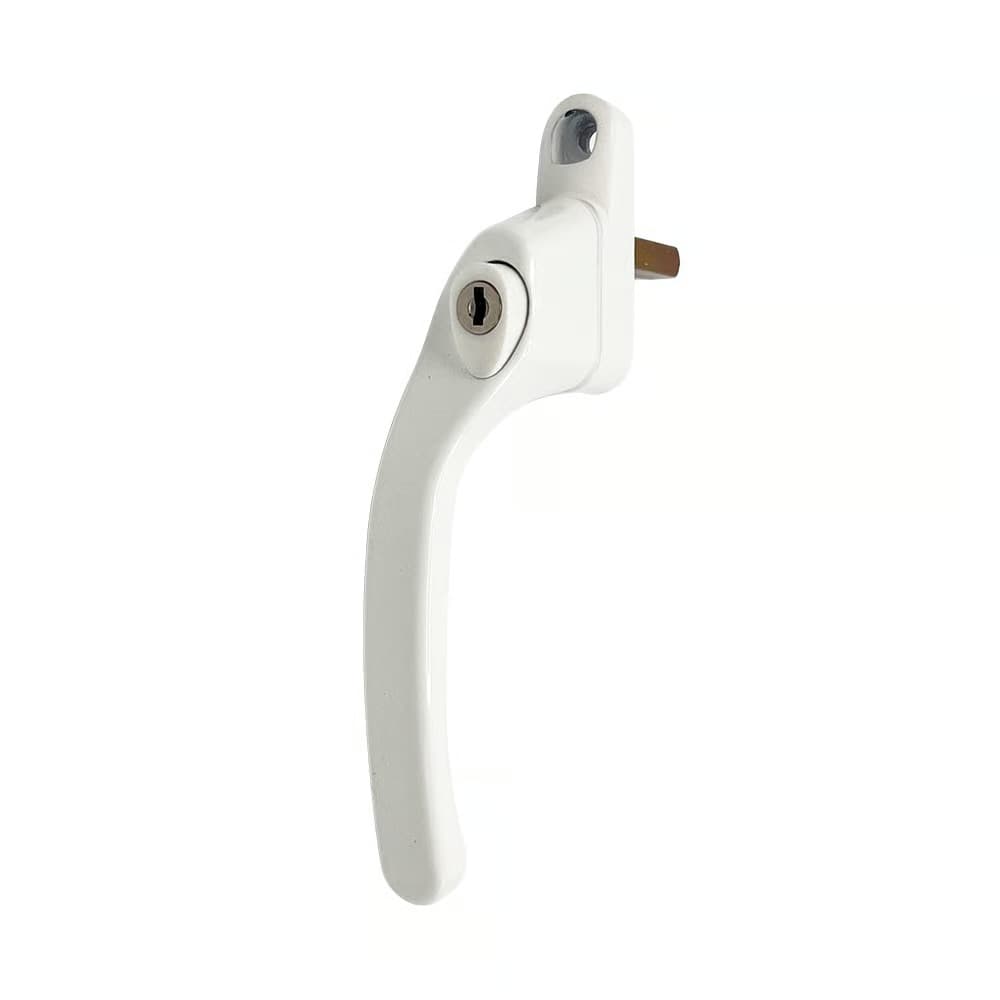
Double Glazing Window Handles Replacements: White vs Black Finishes
Double glazing window handles replacements are a small but important upgrade that can improve the look, security and usability of uPVC and aluminium window...
Double glazing window handles replacements are a small but important upgrade that can improve the look, security and usability of uPVC and aluminium windows. Choosing between white and black finishes requires consideration of appearance, durability and compatibility with existing hardware. This guide explains practical steps for selecting, measuring and fitting replacement handles, with actionable advice suitable for homeowners and tradespeople.
Why finish matters: beyond aesthetics
Finish selection is often treated as purely aesthetic, yet it influences durability, maintenance and perceived security. White handles are traditional for white uPVC frames and hide dirt well on matching surrounds. Black handles offer a contemporary contrast and can complement anthracite grey frames or black ironmongery elsewhere on a property. Consider the following factors:
- Exposure: North-facing windows and coastal properties benefit from finishes with superior UV and salt resistance. Matt black powder-coated finishes are generally more resistant to visible discolouration than cheaper painted options.
- Visibility of wear: White finishes can show grime around the base and handle recesses; black finishes may display scratches more readily.
- Design consistency: Maintaining consistent hardware finish across a property creates a cohesive look. Black handles across all windows can elevate a modern refurbishment, whereas white is neutral and unobtrusive.
Compatibility: measuring and matching components
Successful double glazing window handles replacements start with accurate measurement and identification of the handle type.
- Identify handle type: Common types include espagnolette (espag) handles, cockspur handles and tilt-and-turn fittings. Espag handles work with multi-point espag mechanisms, while cockspur handles attach directly to the frame face and operate a simple latch.
- Measure spindle length and PZ/centre distances: For rotator handles, measure the spindle length (the square bar length that passes into the gearbox) and the PZ/centre distance — the distance between the spindle and the screw fixing centre. Note whether the spindle is 7mm, 8mm or 9mm as this varies.
- Handing: Determine handle handing (left or right). Stand facing the window; a handle on the right indicates a right-handed handle.
- Screw positions and backset: Check whether the replacement uses the same screw positions. Some modern replacements accommodate multiple screw centres or come with adaptors.
Practical steps for fitting replacements
These practical steps apply to most handle replacements for double glazing windows.
1. Remove the old handle: Fully open the handle slightly and remove the exposed fixing screws. For concealed fixings, release the cap or cover to access screws. Support the handle during removal to avoid dropping it. 2. Check spindle and gearbox condition: Inspect the spindle for wear and the gearbox for smooth operation. Replace the gearbox or espag mechanism if worn — a new handle on a worn gearbox will not perform correctly. 3. Test fit the replacement spindle: Prior to tightening, insert the new handle's spindle and test operation. The handle should operate the locking points smoothly without excessive force. 4. Align and secure: Ensure the handle sits flush to the frame and that cover plates align with fixings. Tighten screws evenly to avoid distortion. 5. Seal and finish: If the handle base gaps allow ingress of water or dirt, apply a small bead of decorator's silicone around the base, neatly tooled to match the frame finish.
For cockspur replacements on older timber or simple single-point windows, products like the TSS Cockspur Window Handle are straightforward face-fix options and are suited where an espag mechanism is not present.
Durability and maintenance advice
Regular maintenance extends the life of replacement handles and helps avoid premature failure.
- Lubrication: Lightly lubricate moving parts annually with a dry PTFE spray or light machine oil; avoid heavy greases that attract dirt.
- Tightening checks: Inspect fixings every 12 months and re-tighten screws that have worked loose.
- Corrosion control: For coastal properties, choose stainless steel fixings and powder-coated finishes. Replace corroded screws promptly to prevent galvanic action with the handle plates.
- Cleaning: Use mild detergent and a soft cloth. Avoid abrasive cleaners that can damage protective coatings.
- Touch-up: Small chips on painted finishes can be touched up with appropriate aerosol paint matched to the handle finish; for powder-coated finishes consult the manufacturer for approved repair products.
Security considerations
Handle finish does not directly equate to security, but quality and locking mechanisms do. Look for handles with integrated key locks or non-locking options compatible with multi-point locking systems. For example, the TSS Offset UPVC Window Handles offers a reputable build quality and is suitable for many standard window applications.
- Locking vs non-locking: Use keyed handles on ground-floor and accessible windows, or consider catch-style restrictors for ventilation security.
- Reinforced spindles and fixings: Choose handles with thicker spindles and longer screws to reduce the risk of lever attack.
- Compliance: For rental properties, ensure replacements meet current fire egress requirements — a locked handle must still allow escape where necessary.
Final selection checklist
Before purchasing double glazing window handles replacements, use this checklist:
- Confirm handle type (espag, cockspur, tilt-and-turn).
- Measure spindle length and PZ/centre distances.
- Determine handedness and screw hole positions.
- Select finish based on exposure, style and maintenance expectations.
- Choose trusted brands with replacement parts and documented security features.