Double Glazing Window Handles Replacements with Locks: Security Upgrade
Double glazing window handles replacements are a straightforward way to improve both the performance and security of windows without the cost of full-frame...
Double glazing window handles replacements are a straightforward way to improve both the performance and security of windows without the cost of full-frame replacement. Upgrading to handles with built-in locks or replacing worn handles restores smooth operation, reduces draughts caused by misalignment and ensures compliance with modern security expectations. This article explains the types of replacement handles suitable for double glazed windows, practical steps for selection and fitting, and key security considerations for homeowners and tradespeople.
Types of replacement handles and when to choose them
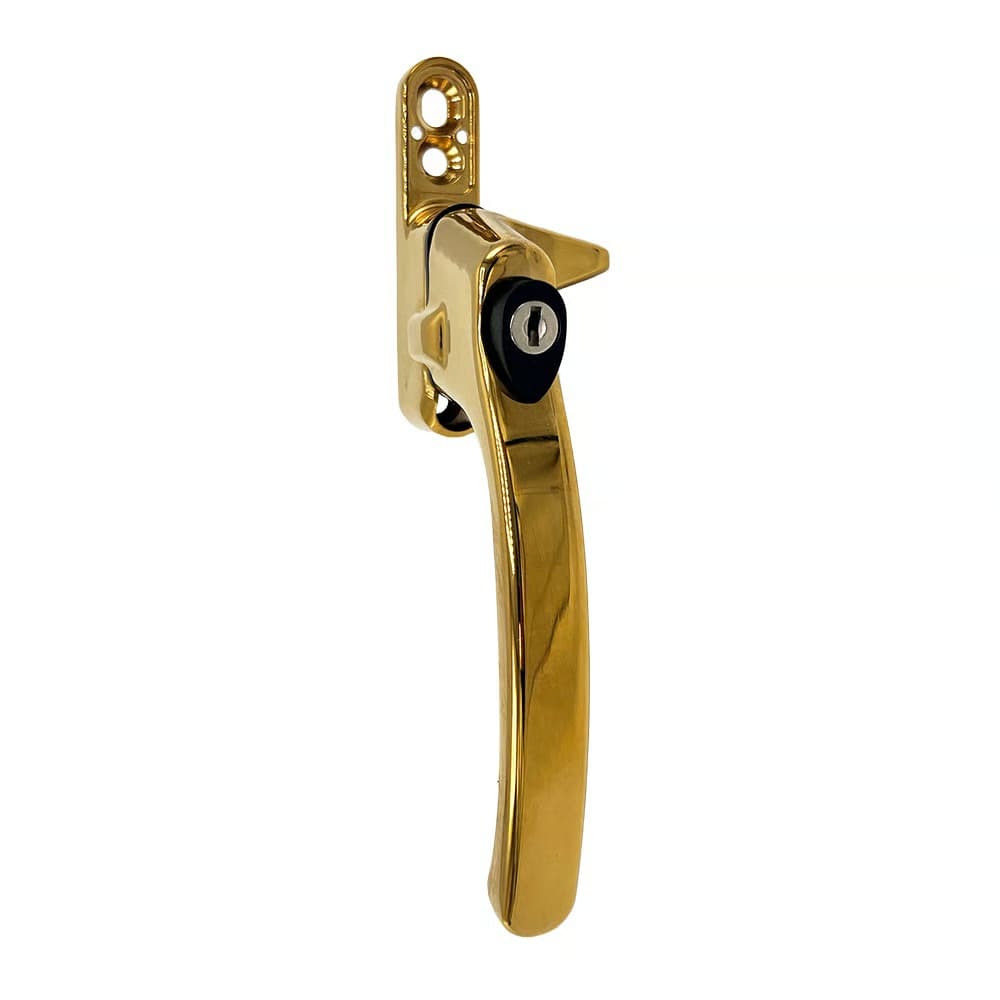
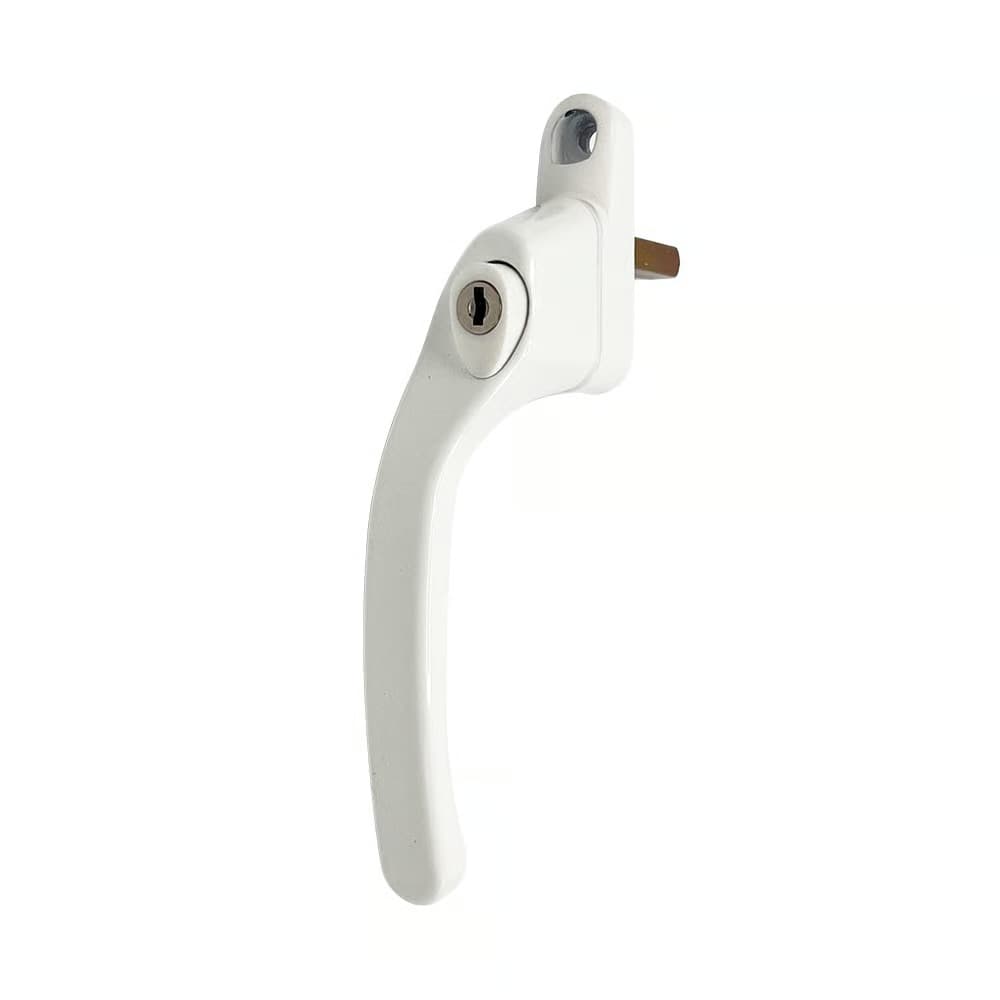
Different window systems require specific handle types. The most common options for double glazed windows are espagnolette (espag) handles, cockspur handles and lockable lever handles. Espag handles operate a multi-point locking mechanism via an internal spindle and are typical on modern UPVC and aluminium windows. Cockspur handles are surface-mounted and suited to older timber and some plastic frames. Lockable lever handles offer a simple upgrade where additional security is desired without altering the locking mechanism.
For a high-security espag replacement that fits many modern systems, consider the TSS Cockspur Window Handles. For older timber or straightforward surface-mounted applications, the TSS Cockspur Window Handle provides a durable option. Where a reputable branded handle is preferred, the TSS Offset UPVC Window Handles is a reliable choice for many profiles.
Compatibility checklist before ordering
A successful replacement starts with accurate measurement and identification:
- Measure the spindle length and profile. Common spindle sizes are 7mm square or 8mm; confirm the existing spindle measurement from end to end. Incorrect spindle size is the most frequent cause of incompatibility.
- Note the screw centre distance (distance between the fixing screws). Typical centres are 43mm, 45mm and 70mm. Measure between the centres of the existing screw holes.
- Identify handle orientation and handedness. Measure with the window closed and handle horizontal to confirm whether LH or RH is needed.
- Confirm the locking mechanism type: espag, cockspur, or multi-point. Replace like-for-like unless changing the internal locking gear.
- Check faceplate thickness and clearance around the handle for items such as trickle vents or interior fittings.
Security upgrade options
Selecting a lockable handle significantly improves security. Choose handles with cylinder locks or 3- or 5-position locking options to resist forced entry. For espagnolette systems, use handles that match or exceed the existing multi-point locking standard. Look for handles that are compatible with PAS 24 or Secured by Design installations when paired with appropriate hardware and installation.
Consider the following upgrades:
- Replace plain handles with lockable variants to deter opportunistic burglary. Lockable handles prevent the window from being opened even if the handle is levered.
- Upgrade to anti-snap and anti-jemmy designs where possible. Hardened fixings and reinforced bases reduce the chance of forced removal.
- Ensure the locking keeps and keep plates on the frame remain in good condition; replace if bent or worn to ensure the handle can fully engage the gearbox.
Step-by-step replacement guide
Tools required: Phillips and flat screwdrivers, Allen keys, tape measure, replacement spindle (if required), drill and 3mm/4mm bits for pilot holes, cloth and lubricant.
1. Open the window and move the handle to the horizontal (unlocked) position to access fixings. 2. Remove the handle securing screws. Some modern handles have concealed covers that need prising off with a flat screwdriver. 3. Withdraw the handle from the spindle. Note the existing spindle length and orientation for replacement. If the handle sticks, apply a small amount of penetrating oil and wait a few minutes. 4. Install the replacement spindle if the new handle requires a different length. Cut a longer spindle down square with a hacksaw and file the end; protect the cut with a small chamfer. 5. Fit the new handle onto the spindle, ensuring the cam or gearbox lines up correctly with the window’s internal mechanism. 6. Secure with the fixing screws, taking care not to over-tighten and deform the handle rose or strip the fixings. Tighten progressively and check operation. 7. Test the lock several times, checking that the handle engages fully with the locking points and the window seals correctly when closed. 8. If required, adjust the keeps or striker plates to ensure smooth engagement. Small adjustments can be made with a file or by easing the plate position.
Tradespeople should confirm smooth operation across multiple cycles before completing the job. A final check for draughts and correct sealing ensures both security and thermal performance.
Maintenance and troubleshooting
Regular maintenance extends the life of replacement handles:
- Clean and lubricate the spindle and mechanism annually using a light machine oil or silicone spray; avoid heavy greases that attract dust.
- Tighten loose fixings routinely; loose handles can accelerate wear on the gearbox.
- Replace handles showing significant play or a cracked rose. Worn handles compromise both security and operation.
- For handles that operate stiffly, check the window alignment and hinges. Misaligned sashes place extra load on the handle and gearbox.
- Wobbly handle: tighten screws and check fixing centres; replace stripped screws.
- Handle won’t lock: inspect the external cylinder and check keeps for bent striker plates.
- Handle is stiff: clean, lubricate and check for internal obstructions; if still stiff, replace the handle and spindle.
When to call a professional
Simple replacements can be completed by most competent DIYers and tradespeople. Call a professional installer when:
- The locking mechanism inside the frame is damaged or seized.
- The window sash or frame requires realignment.
- Security standards or insurance requirements demand certified installation or hardware.