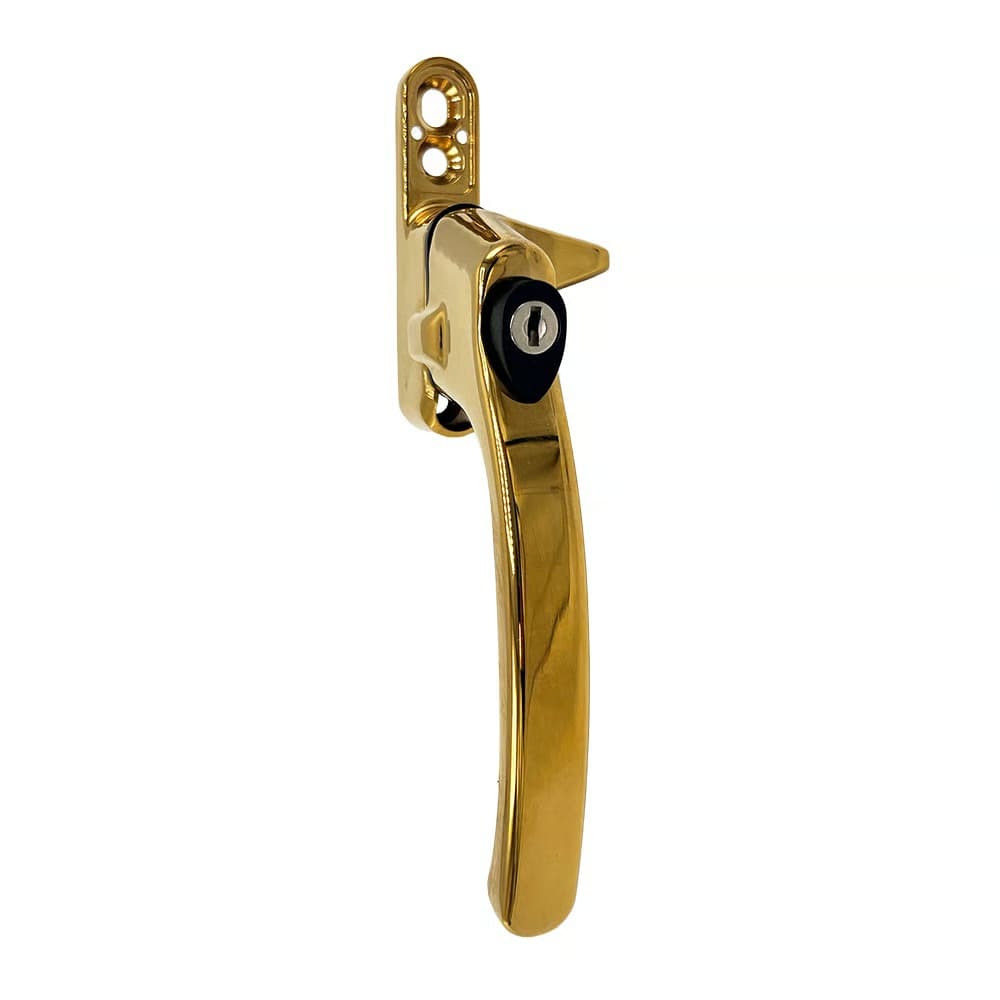
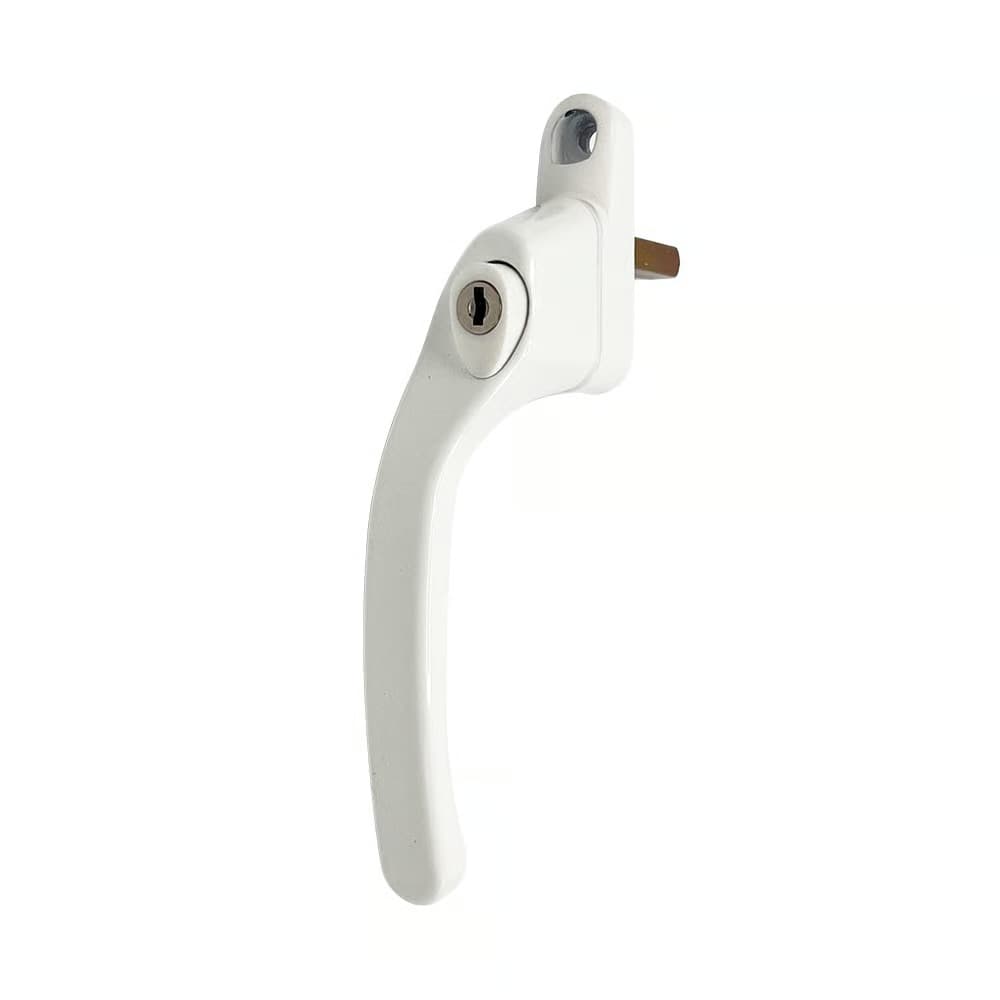
Window Handles
Espag Window Handles: Fitting Guide (Tools and Steps)
Espag window handles are a common fit on modern uPVC and aluminium casement windows. This guide explains the practical tools, measurements and step-by-step...
Window Hardware Store Team
28 March 2026
5 min read
Espag window handles are a common fit on modern uPVC and aluminium casement windows. This guide explains the practical tools, measurements and step-by-step actions needed to remove an old handle and fit a replacement espag handle correctly. Advice is aimed at homeowners and tradespeople seeking a reliable, secure installation that operates smoothly and lasts.
Tools and materials required
- Screwdrivers: Pozidriv or cross-head sizes 1 and 2, and a flat-head screwdriver for circlips.
- Electric drill with 2.5 mm and 4 mm drill bits for pilot holes and countersinks.
- Tape measure and vernier calipers for spindle and screw measurement.
- Hex key set (typically 4 mm) for grub screws if present.
- Replacement handle and fixings: choose a handle that matches the spindle size and fixing centres.
- Replacement gearbox or espagnolette if the mechanism is faulty.
- Replacement screws (typically 4 x 25–35 mm wood/metal screws depending on frame thickness).
- Silicone sealant and touch-up paint for a neat finish, if needed.
Safety and preparation
Work with the window in a stable, partially open position to access fixings easily. For ground-floor windows or awkward access, use a step ladder with a second person to steady it. Wear safety glasses when drilling and gloves if handling sharp metal or old hardware. Preserve old fixings to compare lengths and thread type before discarding.Identify the correct replacement parts
Espag handles attach to a square spindle that connects to the espagnolette gearbox inside the edge of the window sash. Common spindle sizes are 7 mm square or 8 mm square; measure the existing spindle across flats with calipers. Measure the distance between the fixing centres (the screw holes on the handle backplate) to ensure the new handle will align without needing new holes. Note the backset (distance from the sash edge to the centre of the gearbox) so the handle sits correctly when closed.Removing the old handle — step by step
1. Open the window to a semi-open position to access the spindle and screws easily. 2. Locate and release any decorative cover caps on the handle backplate using a flat-head screwdriver. Keep clips and covers safe. 3. Unscrew the two backplate screws with the correct Pozidriv bit and support the handle to prevent the spindle falling into the frame. 4. Pull the handle straight off the spindle. If stiff, apply a small penetrating spray, wait a few minutes and gently wiggle. 5. Inspect the spindle and gearbox for wear — rounded spindles or loose gearboxes indicate the mechanism may need replacement rather than just the handle.Fitting a new espag handle — step by step
1. Compare the new handle spindle with the existing spindle size. Cut or replace the spindle if it is too long; a length flush with the inner face of the handle is ideal. Use a hacksaw and file the cut edge square and burr-free. 2. If the new handle has a grub screw to locate on the spindle flats, align the flats so the grub screw seats correctly. Tighten the grub screw finger-tight first, then secure gently with the hex key; avoid over-tightening which can distort the spindle. 3. Position the handle over the spindle and locate the fixing holes. If holes do not align exactly, drill pilot holes of 2.5 mm through the backplate into the sash material; countersink if fitting to timber. For uPVC, use self-tapping screws or a 4 mm clearance as specified by the handle manufacturer. 4. Fit screws evenly, tightening both until the handle is secure; do not overtighten into uPVC as this may cause the backplate to deform. For timber frames, 30–35 mm screws typically give good purchase. 5. Refit decorative caps and test operation: rotate the handle through full travel to ensure the espagnolette engages and the window locks and unlocks smoothly.Adjusting gearbox alignment and spindle length
If the handle turns but the locking points do not engage, the spindle length or position may be incorrect. Shorten or extend the spindle so the handle sits parallel to the frame when the lock is engaged. For multi-point espagnolette rods, check the gearbox operation: the gearbox should sit flush and the rods should move freely. Replace a worn gearbox rather than forcing a new handle onto a damaged mechanism.Common problems and quick fixes
- Handle wobbles after fitting: check screw lengths and replace with longer screws for a firmer hold; inspect for cracked or fatigued mounting bosses inside uPVC.
- Handle stiff or tight: apply a small amount of silicone spray to the gearbox and hinges; avoid oil-based lubricants that attract dust.
- Spindle slipping in handle: ensure spindle flats align with the grub screw and that the grub screw is tightened to the manufacturer’s torque guidance. Consider a handle with a wider grub screw for heavy-use windows.
Maintenance tips for longevity
- Lubricate the gearbox and lock points annually with a silicone-based lubricant.
- Clean handles regularly with a mild detergent; avoid abrasive cleaners that remove coatings.
- Periodically check screws and spindle tightness, especially on frequently used windows, to prevent progressive wear.
espagwindow handlesupvc