Espag Window Handles: Trade Tips for Fast Replacement
Espag window handles are a common choice for modern uPVC, aluminium and timber casement windows, prized for their security and smooth operation. Whether re...
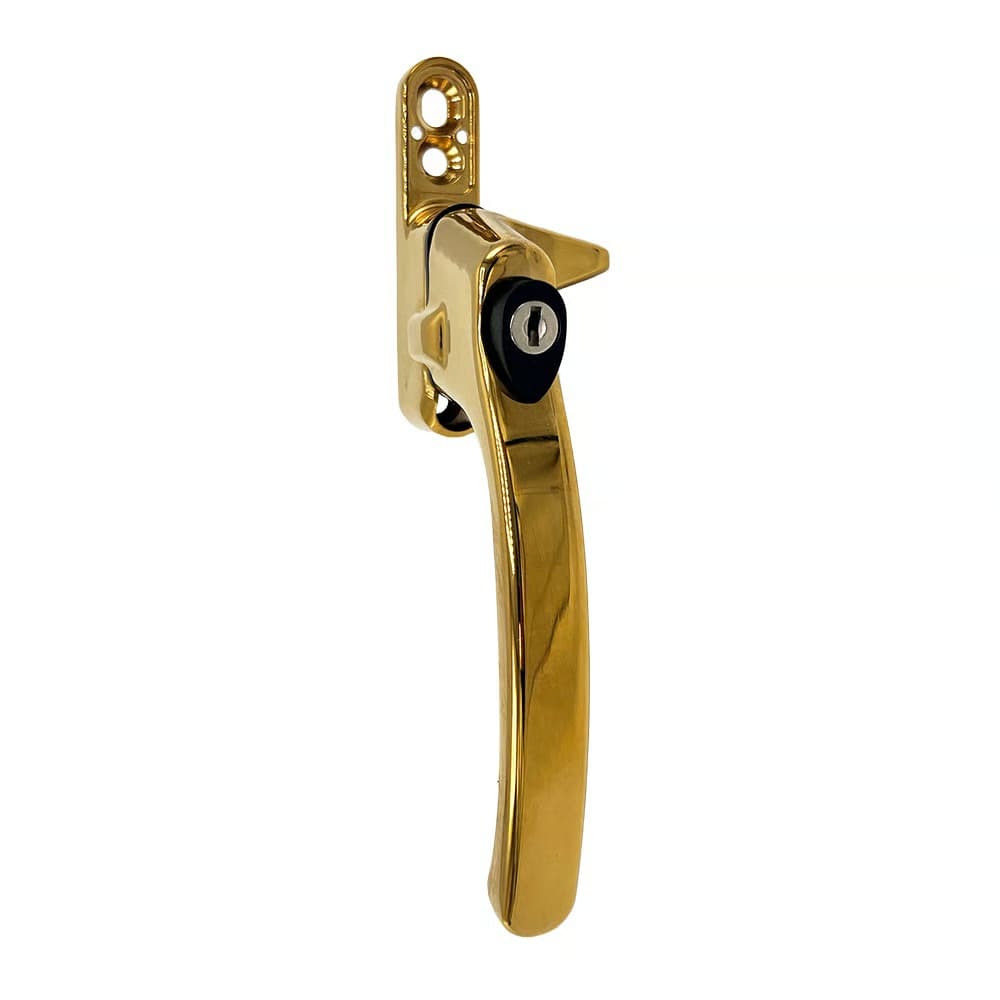
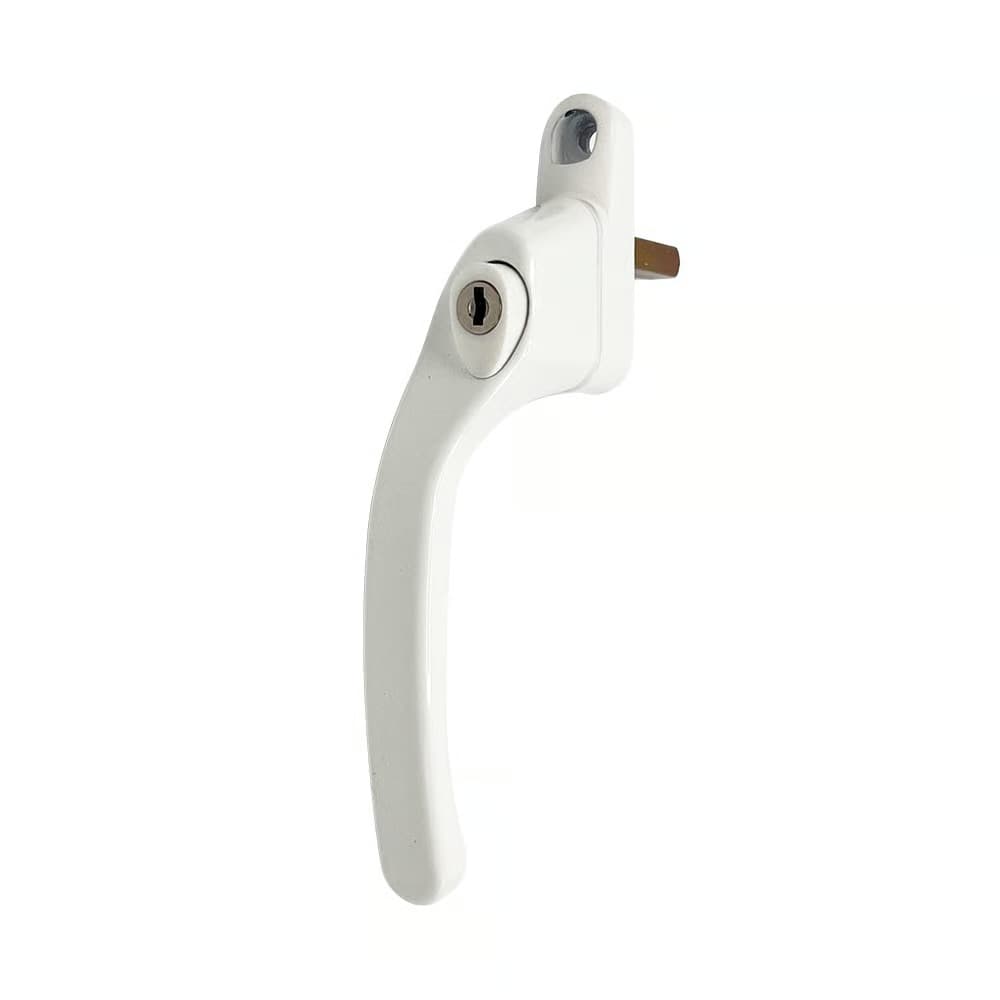
Espag window handles are a common choice for modern uPVC, aluminium and timber casement windows, prized for their security and smooth operation. Whether replacing a worn handle on a domestic job or fitting new hardware across a property, quick, correct installation keeps disruption to a minimum. This guide provides trade-ready tips for fast replacement of espag window handles, covering measurement, removal, common faults, lock engagement, and finish considerations.
Know the system before you start
Espag window handles operate a gearbox that drives a multi-point espagnolette (espag) locking mechanism within the frame. Different manufacturers use varying spindle sizes, screw centres and gearbox profiles. Confirming the handle type and gearbox orientation before removing the old handle prevents wasted time sourcing incompatible parts.
- Identify whether the handle is for left- or right-handed operation (handle up or down when closed) and note the spindle direction.
- Record the screw centre measurement — typically 43mm, 45mm or 92mm for espag fittings — measured between fixing screw centres on the backplate.
- Check the gearbox thickness and position relative to the frame face; some handles require a flush faceplate while others sit proud.
Remove the old handle efficiently
Efficient removal minimises the risk of damaging the lockcase or window surface.
- Fully open the handle to expose the backplate screws. Remove the screws in a consistent order to avoid stress on the backplate.
- If the handle is stiff, apply a penetrating lubricant at the spindle and work the handle gently to free seized parts rather than forcing and twisting.
- Use a magnetic bit holder for screws to prevent drops into the frame gap. Keep removed parts in a labelled bag for reference.
Choosing the correct replacement handle
Trade professionals benefit from stocking a small range of common espag handles to cover most jobs.
- For modern security upgrades, select high-security designs with anti-jemmy features and 3-star standards.
- When aesthetics matter, match finish and shape to existing hardware to avoid unnecessary repainting or resident dissatisfaction.
- Choose handles with reversible backplates when possible to suit both left- and right-handed windows.
Fitment tips for speed and accuracy
Proper alignment and torque are essential for a quick, durable install.
- Trial fit the handle without fully tightening screws to confirm spindle engagement and handle travel. Turn the handle through its full stroke to ensure smooth operation and correct locking pin movement.
- Apply a light smear of grease to the spindle and inside the gearbox before finalising screws. This reduces future stiffness and protects against corrosion.
- Tighten screws progressively and in sequence to draw the backplate flush against the frame, avoiding over-tightening that can deform the handle or strip fixings.
Address common faults quickly
The most frequent causes of failure are wear on the gearbox, bent spindles and seized locking cams.
- For a loose handle with play but full lock engagement, first check for a worn spindle or stripped gearbox splines. Replacing the handle alone may not resolve the issue.
- If the handle doesn’t operate the espagnolette fully, remove the cover and verify the gearbox is engaging the locking strip. A worn gearbox often requires replacement.
- Seized handles typically respond to penetrating oil applied to the spindle and gearbox followed by gentle movement; persistent seizure usually needs part replacement.
Security and compliance considerations
Certain handle replacements are opportunities to upgrade security and meet building compliance.
- Fit handles with anti-snap and anti-lift features where windows are vulnerable to forced entry. Document upgrades for customer records.
- Retain original fixings and provide photographic evidence of older parts if the customer requires proof of prior condition for warranties or insurance.
Finishing touches that matter
Small details create a professional finish and reduce call-backs.
- Clean the surrounding window finish and remove grease smears before handing over. Use a plastic scraper rather than metal to avoid scratching frames.
- Record the handle model and orientation on the job sheet for future maintenance, simplifying subsequent visits.
- Offer owners a basic demonstration of operation and recommend periodic lubrication to prolong life.
Quick-reference checklist for tradespeople
- Confirm left/right operation, screw centres and spindle size.
- Remove handle carefully; inspect gearbox and spindle.
- Trial fit new handle; grease spindle; adjust before final tightening.
- Replace gearbox or espag strip if significant wear exists.
- Upgrade to higher-security handle when appropriate.
- Clean, document and demonstrate operation to the owner.
Further reading and component selection guidance are available in the trade’s definitive resource: Window Handles Guide