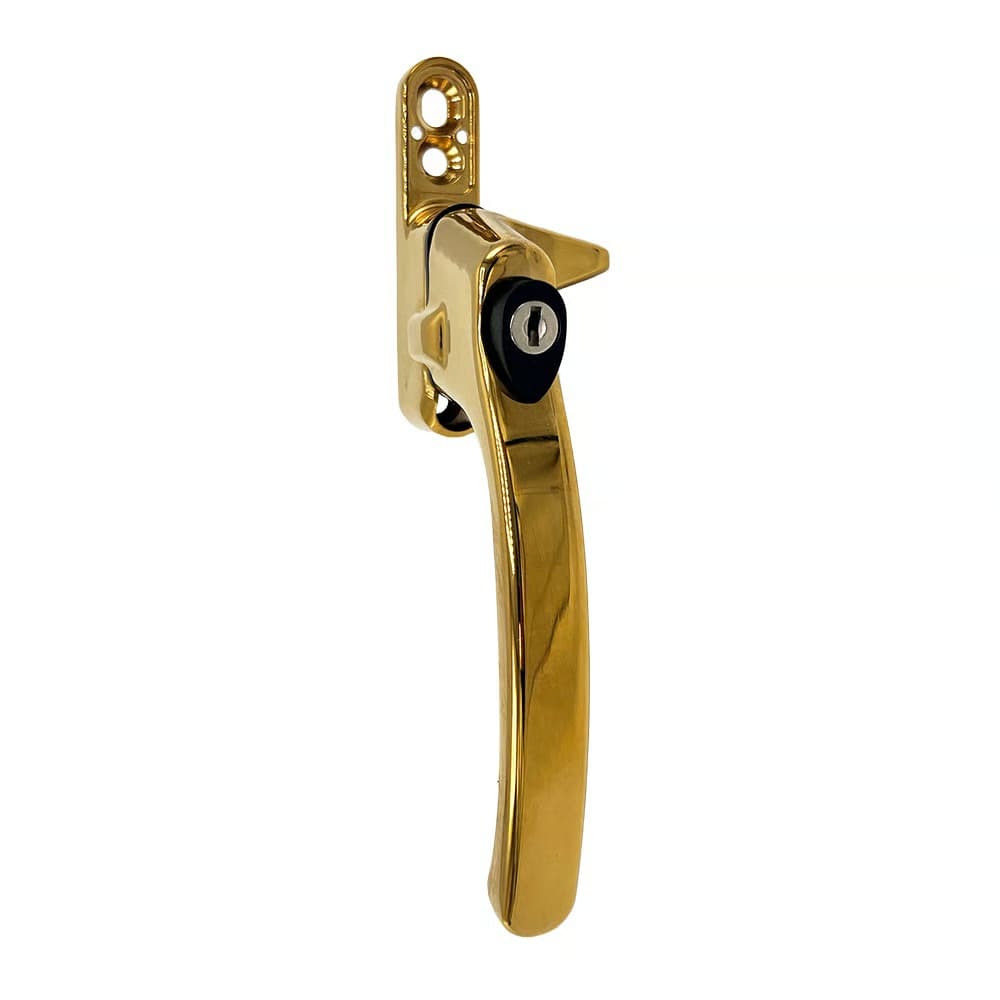
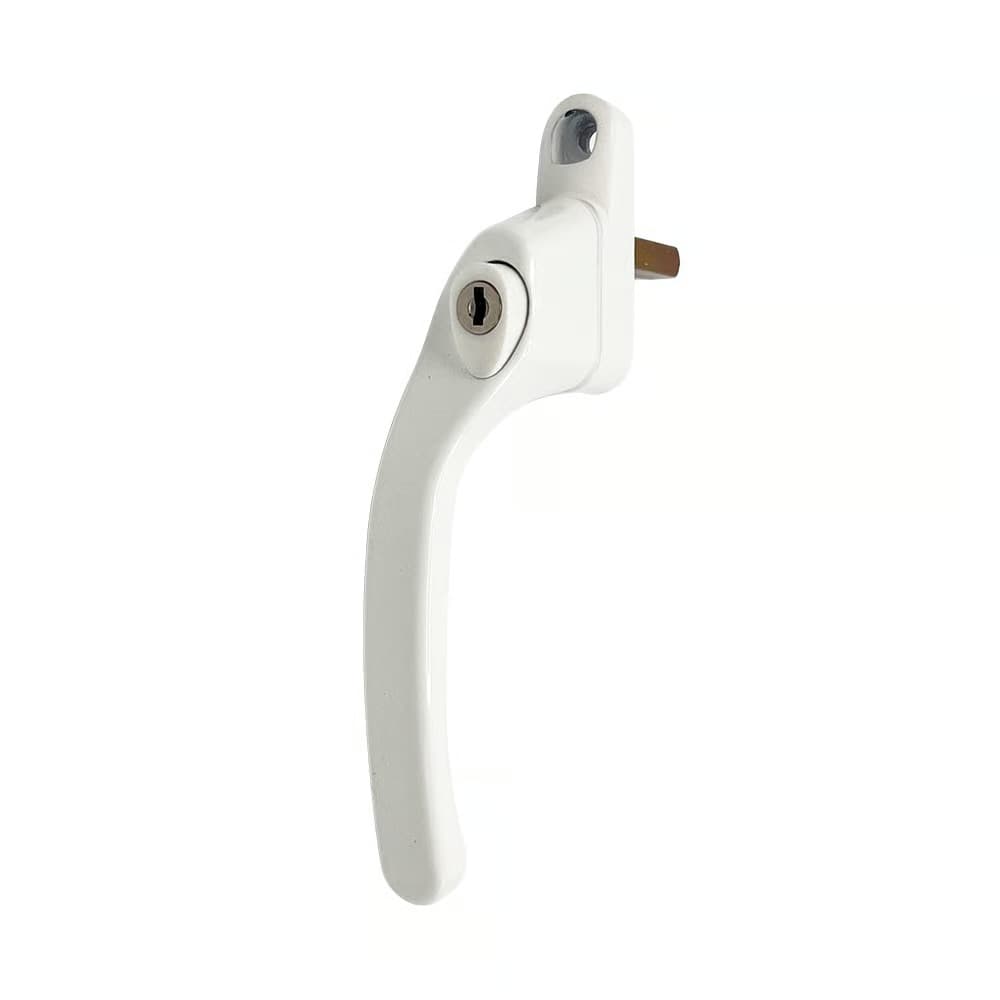
Espagnolette Window Handles: Common Screw Centres and Fixings
Espagnolette window handles are a common fitting on modern timber and uPVC casement windows. Correct screw centres and appropriate fixings ensure safe, sec...
Espagnolette window handles are a common fitting on modern timber and uPVC casement windows. Correct screw centres and appropriate fixings ensure safe, secure operation and avoid damage when replacing handles. This guide explains standard screw centres, how to measure them, the right screws and plugs to use, and practical tips for fitting or upgrading handles in typical domestic situations.
Common screw centres for espagnolette window handles
Most espagnolette window handles use one of a few standard screw centres — the distance between the centres of the two fixing holes on the handle’s backplate. The common sizes are:
- 43 mm (often used on older or compact euro-profile handles)
- 70 mm (one of the most widely used measurements on casement and tilt-and-turn handles)
- 92 mm (seen on some larger backplates and older metal windows)
How to measure the screw centre correctly
Measure the distance between the centres of the two screw holes, not from edge to edge. Use a vernier or a rigid ruler and record the measurement in millimetres. If a handle has a raised boss or countersink, measure to the centre of that boss. For multi-point espagnolette mechanisms that fix to a gearbox rather than a backplate, measure the gearbox fixing centres.
When replacing a handle, remove the old handle and place it on a flat surface; this helps with accurate measurement. For handles that are part of an integrated backplate assembly, measure to the middle of the screw hole recess.
Types of espagnolette handles and their fixings
Espagnolette handles come in several styles:
- Backplate espagnolette: traditional handle fixed with top and bottom screws into the frame.
- Slimline espag (often found on uPVC): smaller backplate, commonly 43 mm or 70 mm centres.
- Cockspur-type (non-espag) handles: use different fixings and are not compatible with espagnolette mechanisms.
Screw type, length and material recommendations
Choose screws suited to the framing material:
- Timber frames: use countersunk woodscrews in stainless steel or bright zinc. Use 3.5 mm to 4 mm diameter screws, length 30–45 mm depending on backplate thickness and frame depth. Ensure at least 20 mm of screw engages in timber.
- uPVC frames: self-tapping uPVC screws (zinc or stainless) are common. Use longer screws with backing plates where possible, and do not overtighten to avoid crushing the uPVC.
- Aluminium frames: use self-tapping or machine screws with appropriate thread and, where possible, metal-to-metal fixings or rivets.
Using plugs, packers and teachers for alignment
If new handles do not align with existing holes, use plastic packers or repair kits to fill old holes before re-drilling to the correct centre. When retrofitting a handle to a different centre, create a neat fill with hardwood dowels or epoxy filler rather than relying on surface fillers that can crumble.
Spare escutcheon plates and spindle extenders can compensate for small misalignments. For handles that sit proud of the frame, plastic or metal packers behind the backplate provide a solid fixing surface so screws achieve adequate purchase.
Security and torque considerations
Espagnolette handles connect to multi-point locking gear; correct torque and screw tightness matter. Tighten screws so the handle is solid but still turns freely — overtightening can bind the mechanism or crack the backplate. Where an espag handle is specified as a security product, ensure the fixing screws are the recommended length to reach the reinforcement sections inside the frame.
For enhanced security, use security screws with a non-standard head or coach bolts from the inside of the frame when possible. Handles like the Mila ProSecure are designed to work with standard security fixings and multipoint locks.
Replacing a handle: step-by-step practical tips
1. Unlock and open the window so the handle is accessible and the spindle is visible. 2. Remove the decorative cap or cover on the handle to expose the fixing screws. 3. Unscrew both fixings and remove the handle carefully, noting the spindle orientation and any washers or shims. 4. Measure the screw centres on the old handle and the new handle before fitting. 5. If centres match, slot the new handle onto the spindle and loosely fit screws to check alignment, then tighten evenly. 6. Test the operation of the locking mechanism and adjust if the handle feels stiff or loose. 7. If centres do not match, fill and re-drill or fit packers as required before fixing the new handle.
Maintenance and when to replace
Regular lubrication of the spindle and gearbox with a light machine oil keeps operation smooth. Replace handles that show stripped threads, cracked backplates, or signs of corrosion. Upgrading to a sturdier handle can improve security and ease of use, particularly on frequently used windows.
Espagnolette window handles are straightforward to replace when the correct screw centres and fixings are used. Accurate measurement, appropriate screws for the frame material, and careful alignment will produce a durable and secure installation. For further guidance on choosing the right handle style and size, consult the comprehensive Window Handles Guide.