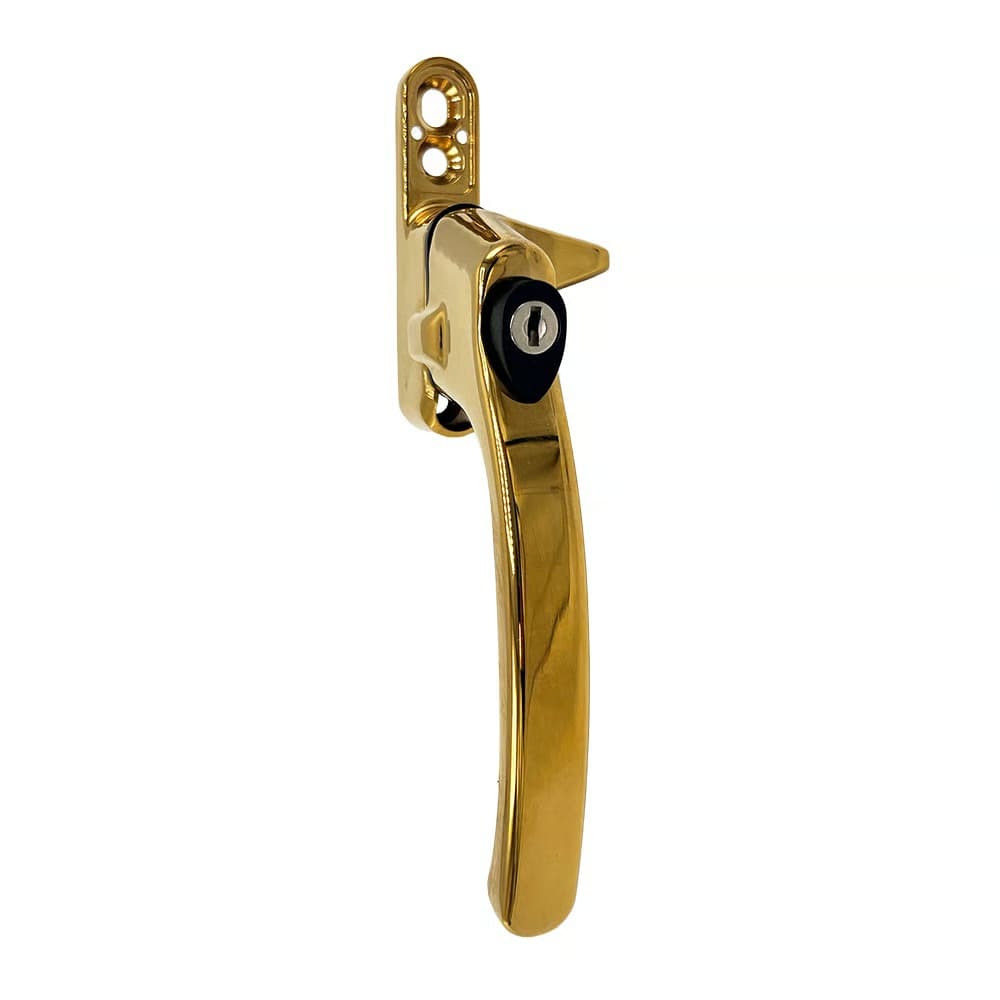
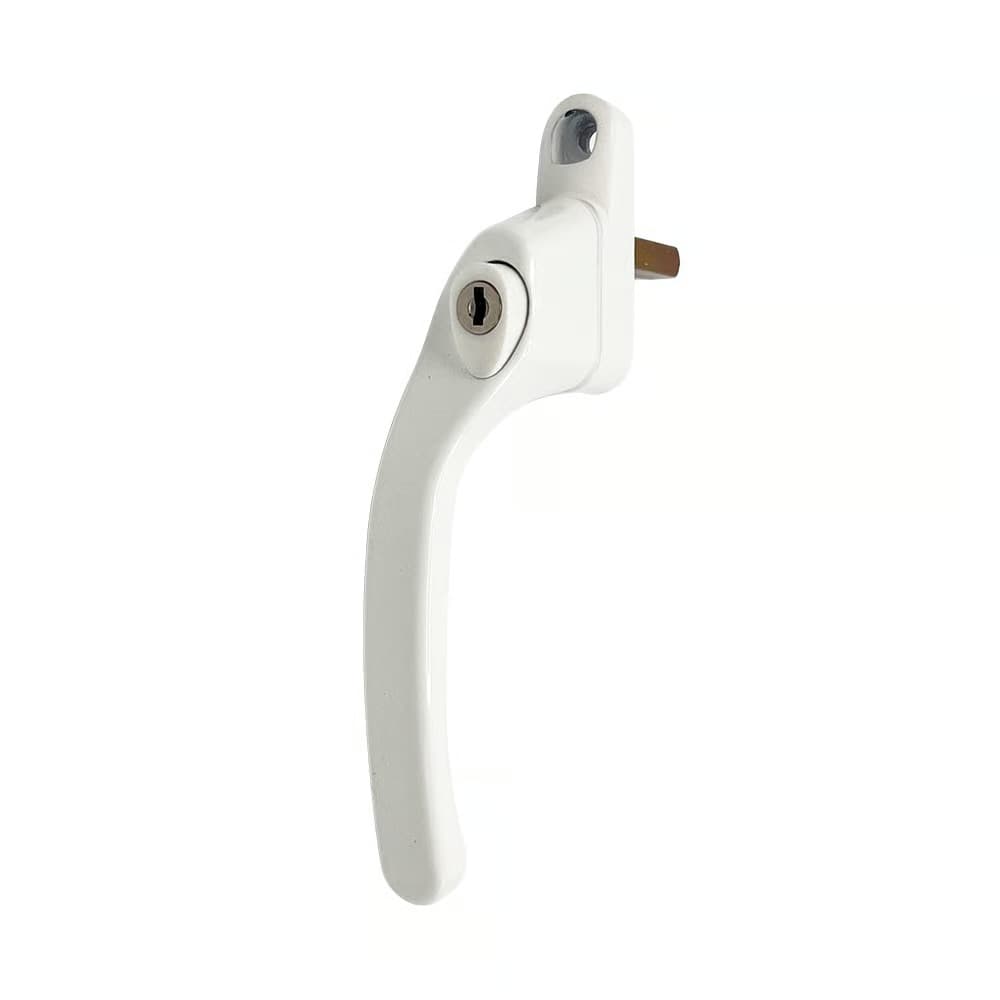
Espagnolette Window Handles: Complete Guide to Sizing and Fit
Espagnolette window handles are vital components for secure, weatherproof and easy-to-operate casement and tilt-and-turn windows. This guide explains how t...
Espagnolette window handles are vital components for secure, weatherproof and easy-to-operate casement and tilt-and-turn windows. This guide explains how to measure for the correct handle, determine handing and compatibility with existing hardware, and fit replacement handles with practical, trade-ready advice. It is written for homeowners and tradespeople requiring reliable, actionable instructions.
Understanding espagnolette window handles and their function
An espagnolette mechanism operates a locking rod or multi-point locking system within the window frame when the handle is turned. Common in PVCu and timber windows, espagnolette window handles connect to an internal spindle that engages the locking points along the frame. Correct sizing ensures smooth operation and prevents stress on the mechanism, which can cause premature wear or window misalignment.
Key measurements to take before ordering
Accurate measurement is the single most important step. Measure the following using a steel rule or vernier calipers and record dimensions in millimetres:
- Backset: distance from the centre of the spindle hole to the edge of the handle rose or the frame edge. Common backsets: 16mm, 20mm, 22mm, 25mm.
- Spindle length and type: measure the length of the spindle protruding from the window lock and note whether it is solid, square section (normally 7mm) or flat on one side. Typical spindles are 7mm square and come in lengths from 30mm to 40mm or longer for thicker profiles.
- Screw centres: distance between fixing screw holes on the handle rose. Typical centres are 43mm or 70mm—measure from the centre of one screw hole to the other.
- Backplate or rose profile: check whether the handle has a round rose or an oval backplate and measure overall dimensions if the cover plate is to be retained.
Determining handing and locking direction
Handing determines whether a handle is left-handed or right-handed. For casement windows, the side the hinges sit on indicates handing: hinges on the left make a left-handed window. The handle rotation (clockwise or anticlockwise) to lock should match the existing locking mechanism and user preference. Note the locking direction and specify the correct handed model when ordering to avoid incompatibility.
Practical fitting steps for tradespeople and competent DIYers
1. Remove the old handle: fully open the window, unscrew the fixing screws from the rose or backplate, and withdraw the handle. Retain any non-corroded screws if reusing. 2. Check the spindle and mechanism: inspect the spindle for wear and measure its length. If the spindle is worn, replace with a new one to ensure tight engagement. 3. Test fit the new handle without tightening: slide the handle onto the spindle and align screw holes. Confirm the backset and screw centres match the window lock. Handles such as the TSS Offset UPVC Window Handles often fit a wide range of standard backsets and include clear markings for alignment. 4. Secure the handle: with the handle in the neutral position, tighten fixing screws to a firm torque—avoid over-tightening plastic roses to prevent cracking. For timber windows, use a light application of threadlocker on screws if vibration is a concern. 5. Check operation and adjust: operate the handle through full rotation to ensure the espagnolette engages all locking points smoothly. If binding occurs, check spindle alignment and that the backset is correct. Slight adjustments to the lock keepers or striker plates can rectify minor misalignment. 6. Final security check: ensure the handle returns to the locked position without force and that the key or secondary locking feature functions correctly.
Common issues and how to resolve them
- Loose handle: typically caused by stripped screw holes or a worn spindle. Solutions include longer screws into sound material, using a thread repair insert, or replacing the spindle and handle.
- Binding or stiff operation: often due to misalignment of the multipoint locking points. Adjust striker plates or hinges, lubricate with silicone spray (avoid heavy oils that attract dirt), and verify correct spindle length.
- Incorrect backset: results in handle not engaging the locking mechanism. Re-measure and order a handle with the correct backset. The TSS Cockspur Window Handle is an alternative for older profiles where a simple cockspur action is used rather than an espagnolette mechanism.
Security and maintenance advice
Espagnolette window handles contribute to overall window security when used with multi-point locks and keyed options. Choose handles manufactured to recognised standards and fitted with secure fixings. Regular maintenance improves longevity: inspect handles annually, lubricate locking points with a dry silicone lubricant, and tighten fixings. Replace damaged or corroded handles promptly to preserve weatherproofing and security.
Final selection checklist
Before ordering replacement espagnolette window handles, confirm:
- Backset and spindle dimensions match the existing lock
- Screw centre spacing fits the rose or backplate
- Correct handing and rotation direction is selected
- Material and finish match aesthetic and durability requirements
- Compatibility with multipoint locking and keyed options where required