Espagnolette Window Handles: FAQs
Espagnolette window handles are a common mechanism on modern casement and French windows, offering multi-point locking and a neat, low-profile appearance....
Espagnolette window handles are a common mechanism on modern casement and French windows, offering multi-point locking and a neat, low-profile appearance. This FAQ-style guide explains how they work, how to choose the right handle, common faults and DIY fixes, plus maintenance tips to keep them operating smoothly and securely. Practical advice is aimed at homeowners and tradespeople seeking reliable, actionable solutions.
What is an espagnolette window handle?
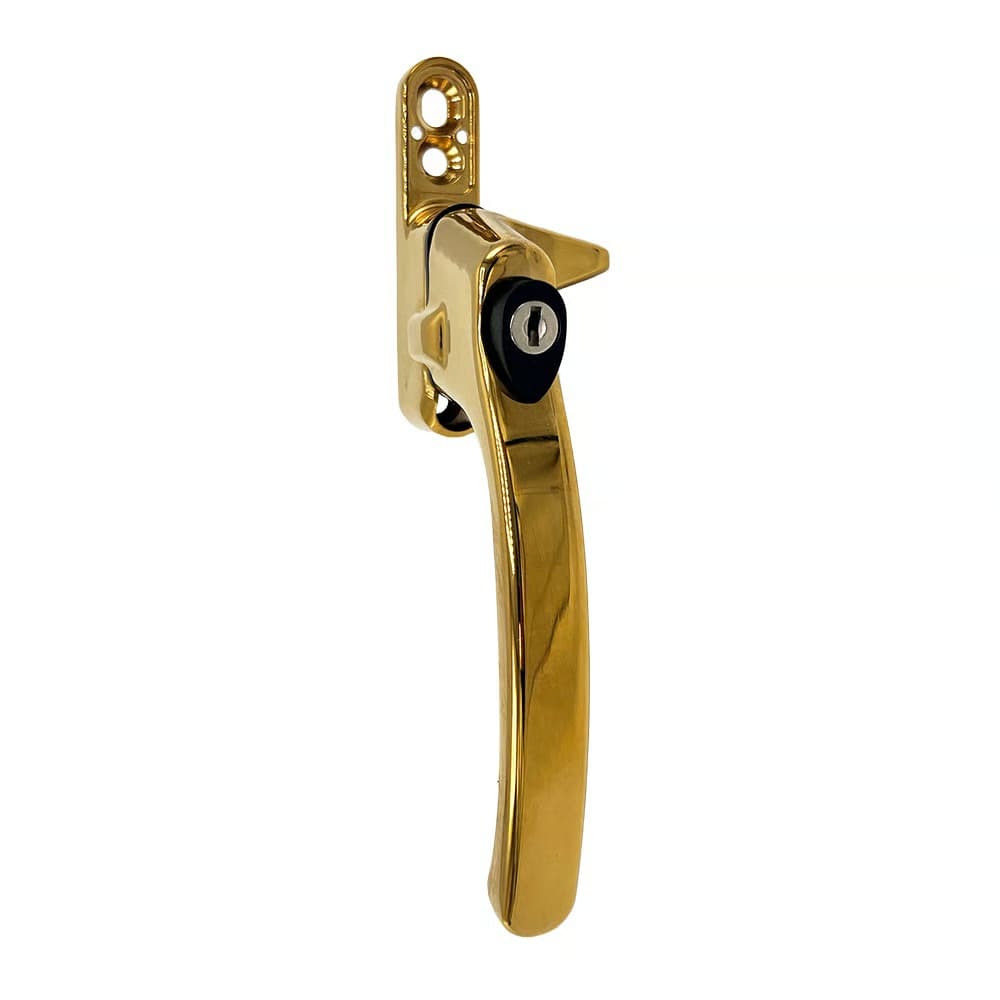
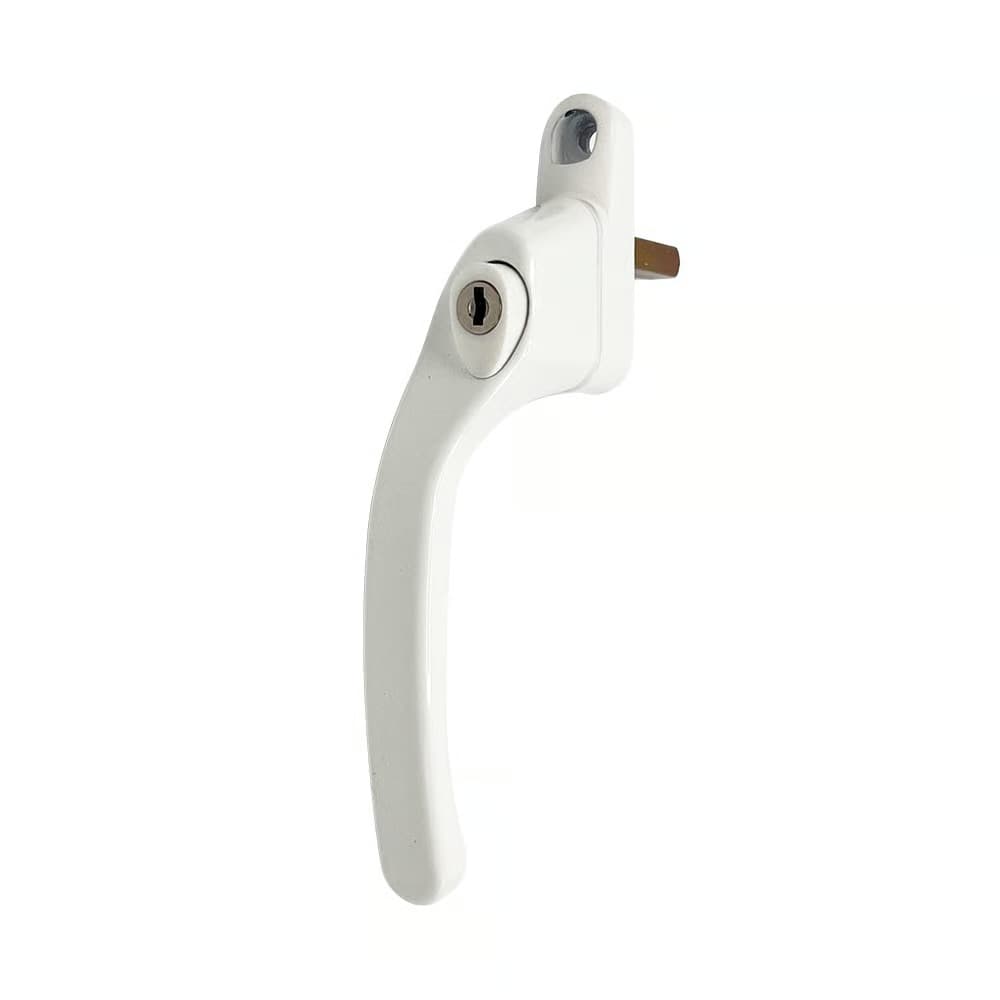
An espagnolette window handle operates a metal rod or gearbox running vertically within the window frame. When the handle is turned, the rod engages locking points at the top and bottom of the sash, drawing the window tightly closed. This multi-point action improves weatherproofing and security compared with a single-point latch. Espagnolette handles are available in different backset sizes, spindle lengths and finishes to suit timber, aluminium and uPVC windows.
How to choose the right espagnolette handle
Selecting the correct handle requires attention to a few measurements and specifications:
- Measure the spindle length from the face of the handle rose to the end of the spindle and note the spindle shape (square or splined).
- Confirm the backset — the distance from the lead screw or fixings to the edge of the sash — and ensure compatibility with the espagnolette mechanism already fitted.
- Check screw hole centres on the handle rose to match existing screw positions where possible, reducing the need to drill new holes.
- Consider the handle finish and corrosion resistance for coastal properties; stainless or high-quality plated finishes are preferable.
Common faults and straightforward fixes
Many issues with espagnolette window handles stem from wear, misalignment or debris. The following checks and fixes resolve most problems without replacing the entire mechanism.
- Handle feels stiff or sticky: Apply a light lubricant such as silicone spray to the spindle and the locking rod. Avoid oil-based lubricants that attract dust. Operate the handle several times to work the lubricant in.
- Handle wobbles or has play: Tighten the rose fixing screws. If the fixing holes are stripped, use a slightly bigger screw or apply a wood filler/epoxy to the hole, allow to cure, then refit.
- Window does not lock fully: Inspect the keeps/striker plates for alignment. Slightly loosen the keep screws and reposition to align with the locking bolt. Tighten screws and test multiple times.
- Handle turns but locking points do not engage: Check the espagnolette rod for detached or broken connections. Replace small retaining clips or grub screws if loose, or replace the rod assembly if damaged.
- Corrosion or seized parts: Remove the handle and soak affected components in a mild descaler if salt-related, then lubricate and refit. Severely corroded mechanisms should be replaced.
Safe removal and replacement steps
A methodical approach reduces the risk of damage to the sash: 1. Close the window and engage any stops before work begins. 2. Remove the handle fixing screws and gently pull the handle off the spindle. 3. If replacing the espagnolette rod, support the sash and unfasten any torque bars or clips at the top and bottom. 4. Slide out the old rod; fit the new rod ensuring clips and spindle orientation match the original. 5. Refit the handle, tighten fixings and test operation several times, checking locking points for secure engagement.
Use care with paint build-up on older timber windows; scoring paint around the rose with a utility knife prevents tearing the finish when removing the handle.
Upgrading for security and durability
Upgrading handles and associated hardware can make a significant difference to performance and security:
- Choose handles that meet relevant standards and include features such as anti-snap spindles or reinforced roses for enhanced security.
- Fit keeps and striker plates that are robust and aligned with the locking cams; stainless-steel keeps resist weathering.
- Consider espagnolette rods with thicker section bars or powder-coated finishes to withstand heavy use and reduce maintenance frequency.
Maintenance schedule and best practices
A small maintenance routine extends the working life of espagnolette window handles and prevents costly repairs:
- Every six months: clean visible dust, check and tighten fixings, and apply silicone lubricant to the spindle and locking points.
- After any storm or coastal exposure: inspect for corrosion and wash affected areas with fresh water, then lubricate.
- Annually: remove the handle and check internal fixings and the condition of the espagnolette rod, replacing any worn clips or grub screws.
When to call a professional
Minor alignment and lubrication tasks are suitable for confident DIYers and installers. Call a joiner or glazing specialist when:
- The window sash is warped or significantly out of square.
- The espagnolette mechanism has failed internally and access requires removing glazing or multiple fixings.
- Security upgrades require meeting a certification or insurance specification.