Espagnolette Window Handles: Fitting Guide
Espagnolette window handles are a common choice for modern timber and uPVC windows where secure multi-point locking is required. This guide explains how es...
Espagnolette window handles are a common choice for modern timber and uPVC windows where secure multi-point locking is required. This guide explains how espagnolette mechanisms work, how to select the correct handle and gear, and provides step-by-step fitting instructions suitable for homeowners and tradespeople. Practical tips cover measuring, preparation, installation and troubleshooting to ensure a reliable, secure operation.
What is an espagnolette handle
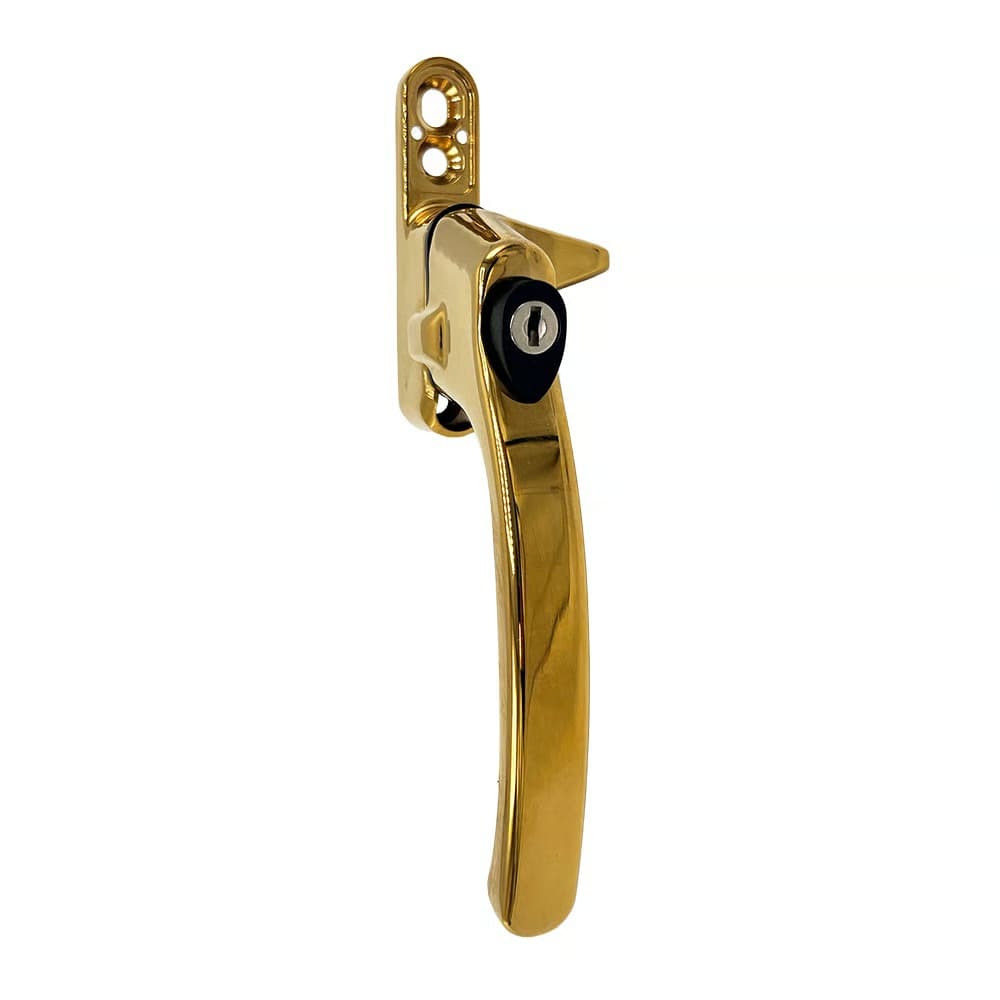
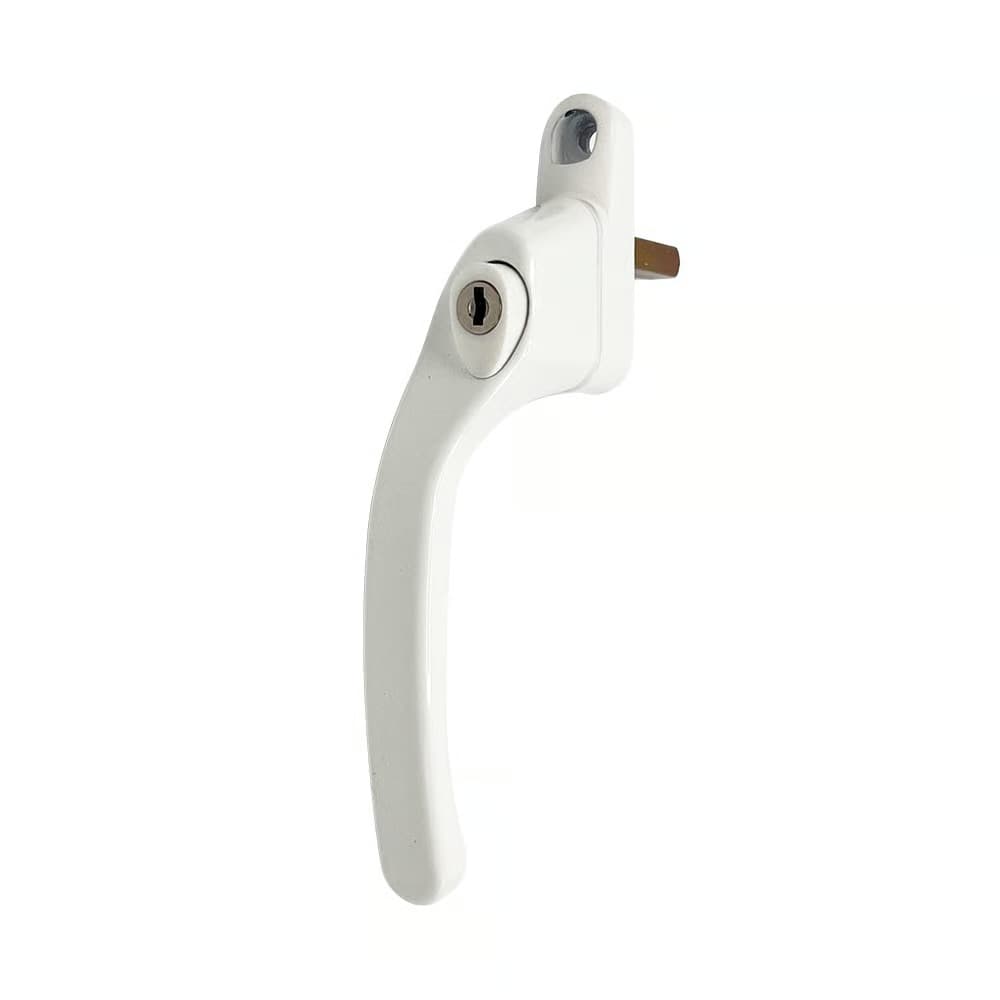
An espagnolette handle operates a multi-point locking rod or faceplate inside the window edge. Turning the handle drives the rod or cams to engage keeps in the frame, securing the sash at multiple points. Espag handles are typically used with casement windows and tilt-and-turn units where strength and weather-sealing are important. They are available in different spindle lengths, backset dimensions and locking options, including key-locking and shootbolt variants.
Choosing the correct espagnolette window handles
Correct selection begins with identifying the existing mechanism or the new window’s requirements:
- Determine whether the window uses an espagnolette rod, a gearbox and separate rods, or an integrated shootbolt system.
- Measure the spindle length — the square spindle that passes through the handle into the gearbox. Common sizes are 35 mm, 45 mm and 55 mm; measure from the handle base to the gearbox face.
- Check the screw centres (fixing hole spacing) to ensure the replacement handle lines up without enlarging holes excessively.
- Decide on locking features. Key-locking handles provide additional security and are often required on ground-floor rooms.
- Match finish and handedness. Some handles are handed; others are reversible. Pay attention to aesthetics and whether the handle must be lockable from inside only or both sides.
Tools and materials required
Prepare the following before starting:
- Screwdrivers (Phillips and flat)
- Tape measure and ruler
- Spirit level
- Pencil or marker
- Replacement espagnolette handle and matching screws
- Masking tape to protect finish
- Small file or drill with appropriate bits (if minor hole adjustments necessary)
- Silicone sealant or touch-up paint for small cosmetic repairs
Step-by-step fitting guide
1. Remove the old handle - Close the window and place a wedge under the sash to prevent movement. - Unscrew the handle fixing screws. Keep screws in case they fit the new handle. - Pull the handle away from the gearbox. If resistance occurs, check for a grub screw or retaining clip on the spindle.
2. Inspect the gearbox and spindle - Examine the gearbox for wear, corrosion or play. Excessive movement suggests the gearbox should be replaced rather than fitting a new handle. - Measure the exposed spindle length and compare with the new handle’s recommended spindle size.
3. Prepare the new handle - If the handle is reversible, set it to the correct handedness before fitting. - Fit the correct spindle length into the handle. Some handles come with adjustable spindles or requires cutting to length — ensure a square, clean cut for secure engagement.
4. Align and fit - Offer the handle to the window and align the spindle with the gearbox square and the screw holes with the prepared holes. - Lightly engage screws and check handle operation before fully tightening. The handle should turn smoothly and operate locks along the rod without binding. - Tighten screws evenly to avoid distorting the handle rose or backplate.
5. Test full operation - Open and close the window several times, engaging and disengaging the lock fully. Check that all locking points operate and that the striker plates align. - Test the key mechanism if fitted, ensuring the key turns freely and locks/unlocks reliably.
6. Final adjustments and finishing - If binding occurs, identify the point of contact. Tighten or loosen the gearbox latchplate as necessary or adjust striker plates in the frame with a screwdriver or file. - Apply silicone for weathertightness where necessary and touch up paint around drilled areas to prevent corrosion on metal frames.
Common issues and solutions
- Stiff operation: Usually caused by misalignment or a worn gearbox. Lubricate moving parts with a light machine oil and adjust striker positions. Replace gearbox if wear is evident.
- Loose handle: Often due to stripped screw holes. Use slightly larger screws or a wooden dowel and epoxy in timber frames to rebuild the hole.
- Binding at mid-turn: Check for incorrect spindle length or obstructed locking rods. Remove handle and inspect rods for debris.
- Key won’t turn: Verify the lock is not engaged in a partially locked position. Apply graphite powder into the cylinder rather than oil, which can attract dust.
Maintenance tips to prolong life
- Lubricate gearbox and locking points annually with a light oil.
- Keep moving parts free of grit and paint; carefully remove any paint that restricts operation.
- Inspect screw tightness biannually and replace any corroded components promptly.
- For heritage or older windows, maintain an inventory of measurements so future replacements match without modification.