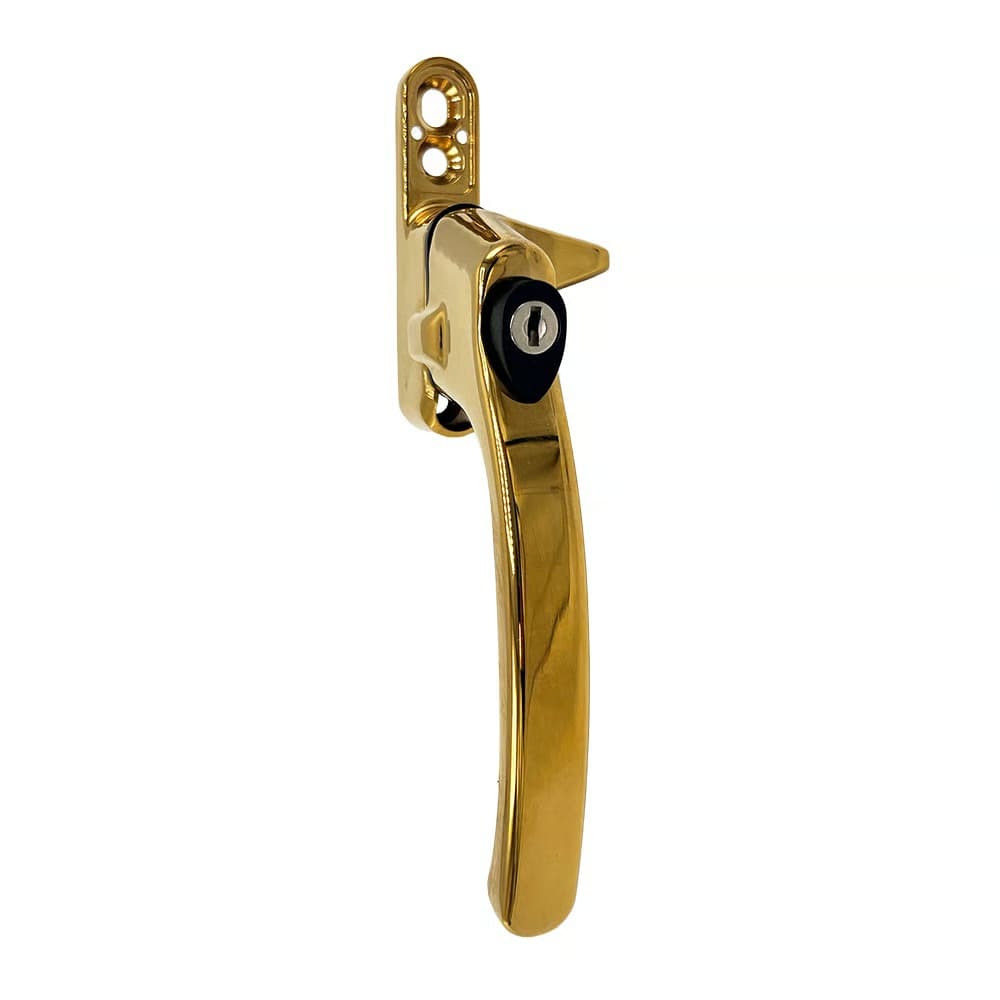
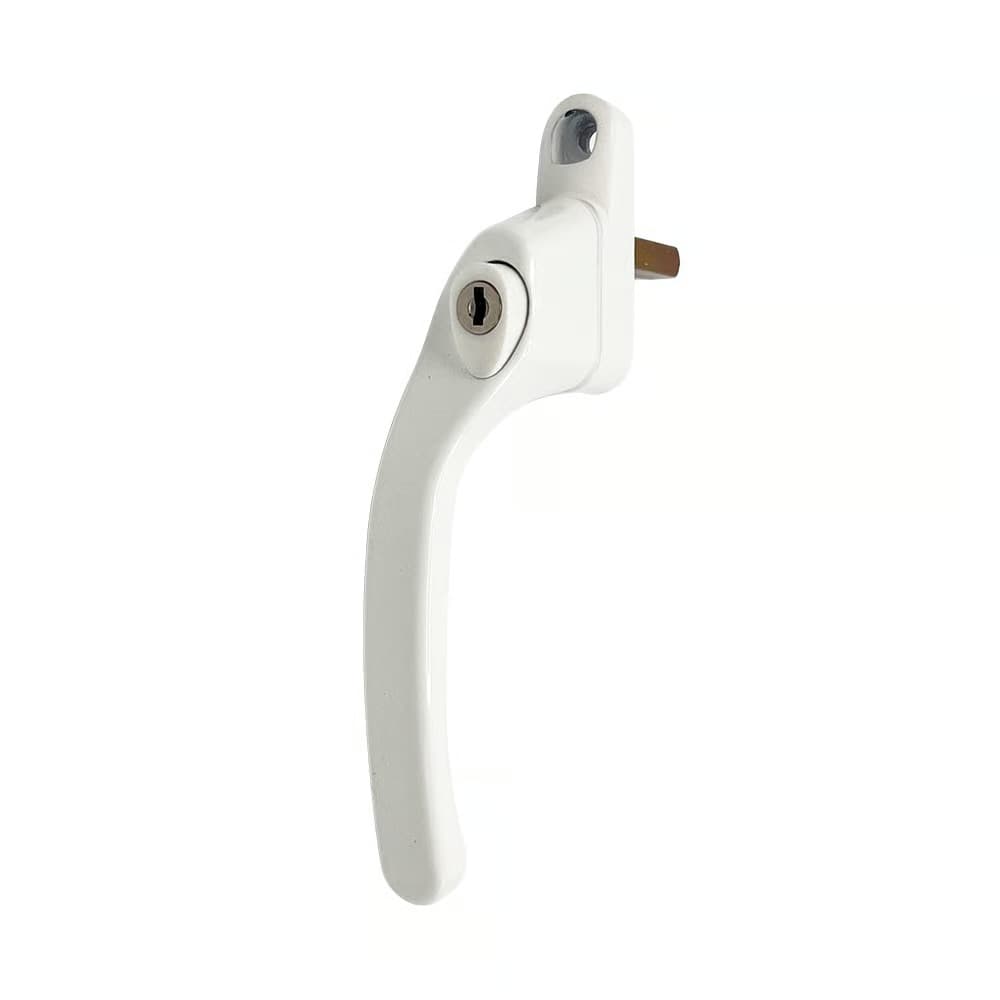
Espagnolette Window Handles: Handing (Left vs Right) Explained
Espagnolette window handles are a common choice for casement and tilt-and-turn windows because they operate a multi-point locking rod (the espagnolette) al...
Espagnolette window handles are a common choice for casement and tilt-and-turn windows because they operate a multi-point locking rod (the espagnolette) along the sash edge. Correct handing — knowing whether a handle is left- or right-handed — is essential for security, smooth operation and ordering the right replacement. This guide explains handing clearly and provides practical steps for identifying, measuring and fitting espagnolette window handles for homeowners and tradespeople.
What handing means for espagnolette window handles
Handing refers to which side of the window the handle is mounted on and the direction in which it turns to lock the window. For espagnolette systems the handle position determines which end of the locking rod engages the keeps in the frame. An incorrectly handed handle can cause awkward operation, poor locking and shortened component life.
- Left-handed: handle fitted on the left side of the sash when viewed from the outside of the property; handle typically turns away from the hinge to lock.
- Right-handed: handle fitted on the right side of the sash when viewed from the outside; handle typically turns away from the hinge to lock.
How to identify handing on-site
Use a consistent viewpoint. The industry standard is to assess handing from the outside (street or garden) of the building.
1. Stand outside facing the window. 2. Note which side the handle is on. Left means left of the sash; right means right. 3. Observe the hinge side and the direction the sash opens — this confirms the swing and verifies handing.
Relying on a consistent outside viewpoint avoids ambiguity for products ordered online or from trade suppliers.
Measuring backset, spindle and screw centres
Handing is only one part of ordering an exact replacement. Measure these dimensions:
- Backset: distance from the edge of the handle rose to the centre of the keyhole or locking mechanism. Common espagnolette backsets are 92mm or 70mm; confirm before ordering.
- Spindle length: length of the square spindle that passes through the mechanism. Measure from the inner face of the handle to the end of the spindle; trim if adjustable. Too short a spindle prevents full engagement; too long can foul the frame.
- Screw centres: distance between fixing screw holes on the rose or backplate. Matching screw centres ensures the new handle mounts flush without filling holes.
Choosing the right handle type
Espagnolette mechanisms are available in different handle styles and locking options. Consider these practical points:
- Key-locking espags add security for ground-floor windows and commercial properties.
- Push-button or snib variants provide convenience for frequently used windows.
- For PVCu and timber windows, confirm rose size and screw orientation to avoid hitting hardware within the sash.
Reversing or replacing handing
Some modern espagnolette handles are reversible, but many are handed and must match the sash orientation. Practical steps for replacement:
1. Remove the old handle: unscrew the fixings and withdraw the spindle carefully to note any retained bushes or washers. 2. Inspect the mechanism for obstructions, damaged keeps or broken rods. Replacing a handle without addressing damaged keeps can undermine security. 3. Fit the new handle matching handed orientation. When fitting a handed handle in the opposite orientation is necessary, check whether the handle can be dismantled and rotated or whether a specific left- or right-handed model is required. 4. Test operation repeatedly: open, close and lock several times to verify the espagnolette rod engages all keeps smoothly.
Tradespeople should keep common handed options in stock for rapid field replacement.
Common pitfalls and practical fixes
- Wrong viewpoint when determining handing: always use the outside view or agree a standard with other trades on site.
- Ignoring the backset: an incorrect backset leads to poor locking or inability to fit the handle. Always measure and check product specifications.
- Damaged or misaligned keeps: these cause hard operation even with a correct handle. Realign keeps by loosening fixing screws, repositioning and retightening; replace if bent or worn.
- Incorrect spindle length: use a slightly longer spindle that can be trimmed rather than one that is too short.
When to replace the espagnolette mechanism
If the locking rod has visible bends, corrosion or repeated failures, replacement of the whole espagnolette may be necessary rather than swapping handles. Corroded rods increase friction and may cause the handle to snap or become loose. For economical replacement options, consider universal or modular systems that allow changing the rod length without replacing the entire sash hardware.
For a different style, a non-espagnolette alternative such as a cockspur handle can be fitted where appropriate; the TSS Cockspur Window Handle provides a straightforward option for certain timber or aluminium frames where espags are not present.
Summary
Correct handing for espagnolette window handles prevents faulty operation and improves security. Use the outside viewpoint to determine left or right handing, measure key dimensions such as backset and spindle length, and inspect keeps and rods before fitting. Tradespeople benefit from keeping common handed models in stock and carrying measurement tools on every visit. Accurate identification and careful fitting make replacement quick and reliable, ensuring windows lock securely and operate smoothly.