Espagnolette Window Handles: Inline vs Cranked Explained
Espagnolette window handles are a common choice for modern UPVC and aluminium windows, providing a neat, secure way to operate the espagnolette locking sys...
Espagnolette window handles are a common choice for modern UPVC and aluminium windows, providing a neat, secure way to operate the espagnolette locking system. Understanding the practical differences between inline and cranked espagnolette window handles helps homeowners choose the correct style for smooth operation, correct alignment with locks, and improved security.
What are inline and cranked espagnolette handles?
Inline handles sit on the same plane as the handle spindle. When fitted, the handle lever lines up directly above the gearbox or espagnolette mechanism. Cranked handles have an offset: the lever is set away from the plane of the spindle by a bend or “crank”, allowing the lever to clear window frames, glazing beads or internal hardware without fouling.
This mechanical distinction dictates suitability for different window frames and lock positions. Inline handles work well where the gearbox or keep is flush with the frame edge and where the handle operates without obstruction. Cranked handles are essential when the mechanism sits behind the internal beading, or where sightlines and finger clearance are compromised.
Choosing the correct handle style for the job
Tradespeople should check the relationship between the handle spindle and the gearbox before specifying a handle. Measure from the face of the frame to the centre of the spindle and note any protruding beads or mouldings.
Practical steps:
- Remove the old handle and measure spindle projection and backset.
- Check whether the handle lever will collide with glazing beads, gaskets or an inward-opening casement.
- Confirm spindle size (commonly 7mm square) and screw hole centres to ensure replacement compatibility.
Security and locking options
Espagnolette systems rely on multi-point locking operated by the handle. Handle type does not change the locking mechanism itself but can influence ancillary security features. Keylocking espagnolette handles provide added protection, particularly on ground-floor or easily accessible windows. For stronger anti-snap and anti-drill features, consider handles that form part of a comprehensive multi-point system rather than replacing hardware piecemeal.
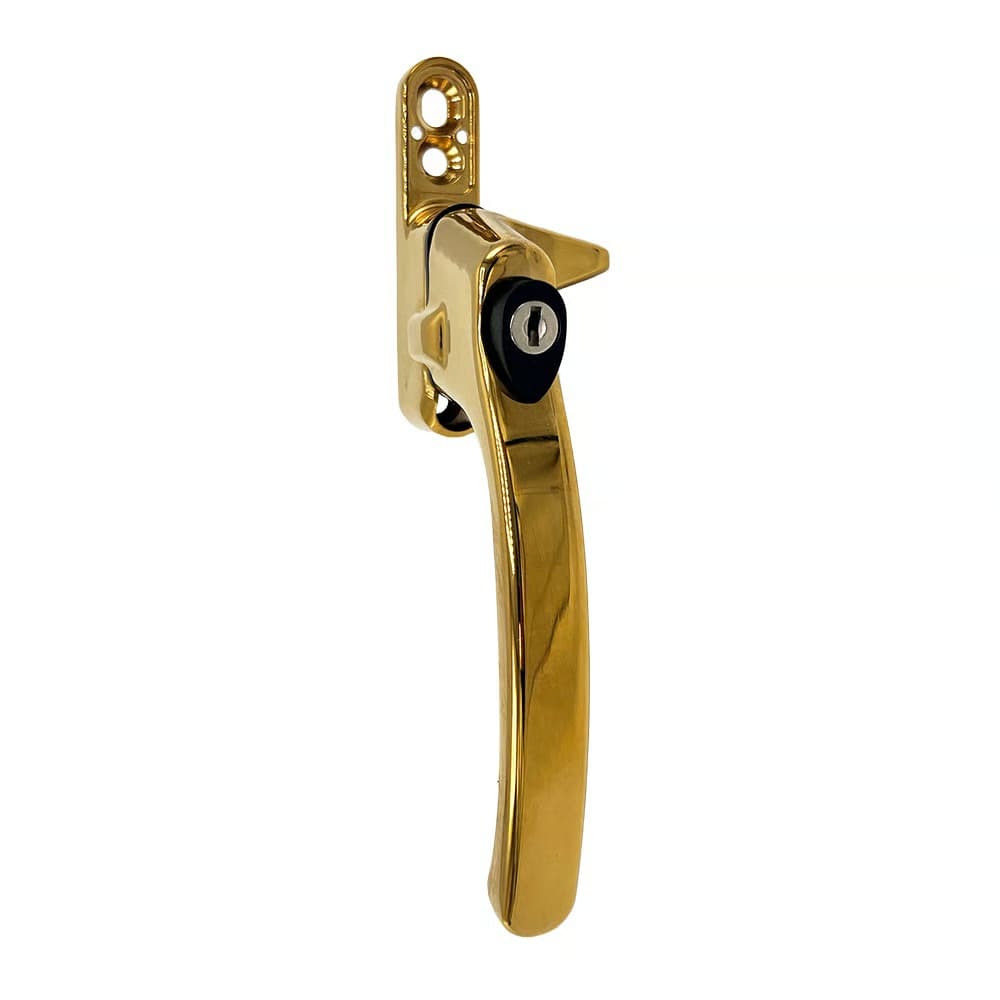
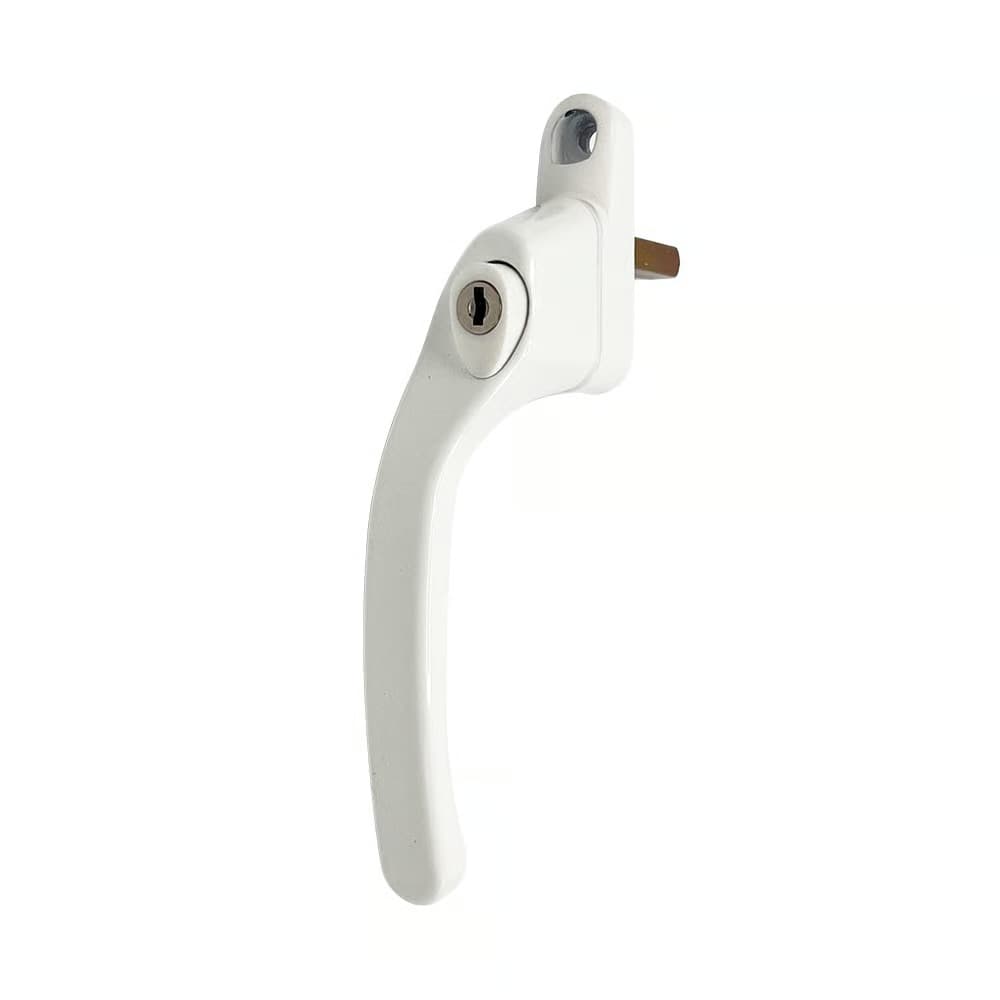
For a secure, market-ready option with integrated security features, the TSS Cockspur Window Handles is a high-quality choice designed to work with espagnolette gearboxes and offers robust durability for daily use.
Practical installation tips for tradespeople
- Always turn the handle into the closed position before removal so the spindle sits squarely in the gearbox.
- Use threadlocker on fixing screws where vibration may loosen fittings in high-use properties, but avoid over-tightening which can bind the handle movement.
- For cranked handles, ensure the crank orientation matches the handedness (left/right) of the window so the lever clears the sash correctly.
- Replace worn or rounded spindles and gearbox components; a new handle will not restore smooth operation if the internal mechanism is degraded.
- Check the handle throw (degree of rotation) — most espagnolette handles operate through 90 degrees, but confirm compatibility with the locking mechanism to avoid incomplete engagement.
Maintenance and troubleshooting
Routine maintenance extends the life of both handle and locking mechanism. Recommended actions:
- Lubricate the gearbox and locking points annually with a light machine oil or silicone spray to prevent stiffness.
- Tighten fixings periodically and replace screwed-in nylon bushes if movement is detected.
- If the handle rotates without operating the lock, the spindle or gearbox may be stripped — remove and inspect both parts to identify the wear point.
- For sticking handles, check the keeps and locking cams for debris, and ensure the sash is not misaligned due to settling or hinge wear.
When to consider alternative handle types
Cockspur handles differ from espagnolette handles by acting against a pad or keep rather than engaging a multi-point lock. They suit older timber windows or aluminium profiles where espagnolette gear is not present. They are not a direct substitute if the window requires multi-point locking for security. For such cases, consider a cockspur only when the existing locking arrangement is intended to remain single-point and accessible.
A reliable option for applications where cockspur remains appropriate is the TSS Cockspur Window Handle, which provides a traditional approach for compatible frames.
Final selection checklist
- Confirm whether the gearbox/front plate position requires inline or cranked geometry.
- Measure spindle size, spindle projection and screw hole centres.
- Consider keylocking options for ground-floor windows or high-risk locations.
- Replace worn gearboxes when handles do not restore locking engagement.
- Choose a reputable handle brand that matches the finish and corrosion resistance required for the property.