Espagnolette Window Handles: Why Handles Get Stiff
Espagnolette window handles are common on modern timber and PVCu casement windows and are prized for their smooth operation and multi-point locking capabil...
Espagnolette window handles are common on modern timber and PVCu casement windows and are prized for their smooth operation and multi-point locking capability. However, over time these handles can become stiff, hard to operate or even seize completely. This article explains the common causes of stiffness, practical inspection and repair steps for homeowners and tradespeople, and when replacement is the most sensible option.
How espagnolette window handles work
An espagnolette handle operates a rod or gearbox inside the window that engages multiple locking points along the frame. Turning the handle moves the espagnolette mechanism (a multi-point locking strip or an internal spindle and gearbox) so that hooks, rollers or bolts engage or disengage. Because several components move together, stiffness can originate from the handle itself, the internal gearbox, the locking strip, or the frame and hinges.
Common causes of stiffness
- Dirt and debris: Dust, paint splatter or building debris can jam the handle jamb area or the locking strip channels, restricting movement.
- Lack of lubrication: Moving parts, pivots and locking cams require appropriate lubrication. Dried or inappropriate lubricants — such as heavy greases that gum up — impede smooth operation.
- Corrosion: Metal parts, especially on older windows or those in coastal locations, can corrode and seize.
- Misalignment: Sashes and keeps that have moved out of alignment due to settling, worn hinges or swelling timber increase friction on locking points.
- Worn components: Stripped gears, a damaged spindle, or bent locking rods can create uneven resistance and stiffness.
- Paint build-up: Overpainting the handle or the locking strip can lock moving parts together.
- Faulty or tight fixings: Over-tightened handle screws, or a handle spindle that’s pressed too tight into the mechanism, restrict rotation.
Initial inspection — quick checks that save time
1. Visual inspection: Check around the handle backplate, the locking strip and the keeps for obvious debris, paint or rust. 2. Operate carefully: With the window open (if safe to do so), gently move the handle through its full travel to identify where stiffness occurs — at the first rotation, mid-travel, or at the locking engagement. 3. Check fixings: Ensure the handle fixing screws are not over-tightened and the spindle is centrally located in the handle square. 4. Look for misalignment: Close the sash and see if the locking points engage cleanly with the keeps. Scrapes, gaps or uneven contact indicate alignment issues.
Practical maintenance and repair steps
Follow a methodical approach from least to most invasive. Tools required: screwdriver set, penetrating oil (e.g. light machine oil), silicone spray, small brush, lint-free cloth, replacement screws, grease for locks (light grease recommended), and a torx or hex key set if needed.
1. Clean the area - Remove surface dirt with a soft brush and clean cloth. For stubborn grime, use a mild detergent solution. Avoid saturating timber or joints. - Remove old paint traces around the handle and keep using a fine scraper if necessary.
2. Lubricate correctly - Apply a light penetrating oil to the spindle and pivot points to free any seized parts. Allow a few minutes to soak in. - For the internal locking strip and gearbox, use a light grease or dedicated window/door lock lubricant sparingly. Silicone spray is useful for sliding parts and won’t attract as much dust as oil. - Avoid heavy oils or general-purpose greases that can thicken and gum the mechanism.
3. Freeing seized parts - Work the handle gently back and forth after lubrication to distribute the lubricant through the mechanism. Do not force the handle violently as this risks breaking the spindle or stripping gears. - If a particular locking keep is stiff, spray a little lubricant into the keep and operate the handle to work it in.
4. Adjusting keeps and hinges - Tighten or loosen keeps as required to ensure smooth engagement. Slight adjustments can eliminate binding. - Check hinge screws and for adjustable hinges, alter settings to re-align the sash so locking points meet their keeps correctly.
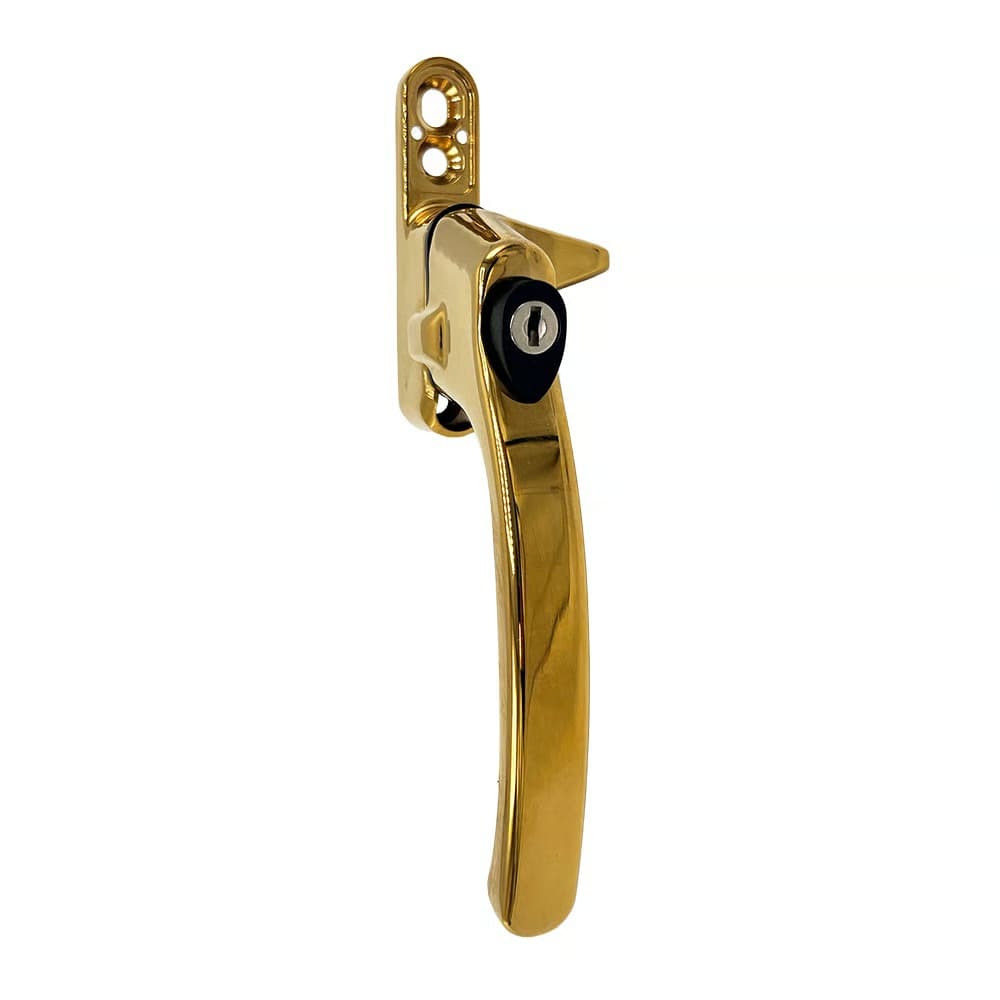
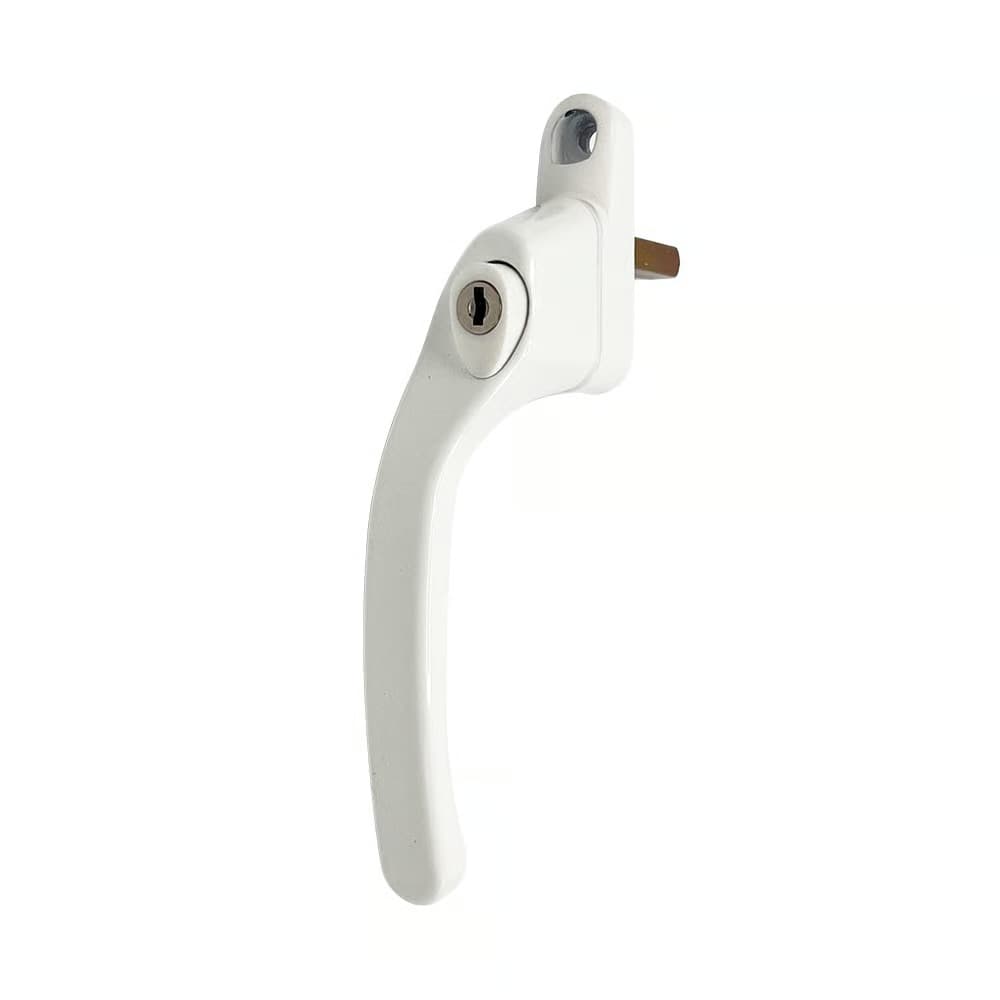
5. Replace worn fixings and components - Replace stripped screws and damaged handles. A direct replacement like the TSS Cockspur Window Handles offers reliable operation for many sash types. - For simple cockspur systems consider a modern replacement such as the TSS Cockspur Window Handle. - For like-for-like upgrades with a secure gearbox and robust spindle, the TSS Offset UPVC Window Handles is a practical option.
When to replace the mechanism
Replacement is the correct choice when:
- Internal gears are stripped or the spindle is visibly damaged.
- Corrosion has caused irreversible pitting or metal loss.
- Multiple servicing attempts fail to restore smooth operation.
- The handle is cosmetically worn or a newer security-rated unit is required.
Preventative measures to avoid stiffness
- Regular maintenance: Clean and lubricate moving parts at least annually; coastal properties may need more frequent attention.
- Use appropriate lubricants: Light oil for pivots, silicone for slides and specialist lock grease for gearboxes.
- Avoid overpainting: Mask handles and mechanisms during decorating.
- Check alignment after adjustments to hinges or seals; changing weather and timber movement can alter alignment over time.
Safety and security considerations
A stiff espagnolette handle can be a security risk if the window cannot fully engage its locking points. Carry out repairs in a way that maintains the integrity of the multi-point locking system. Upgrading to handles and gearboxes that meet current security standards will improve both ease of use and home security.
Regular inspection and prompt simple maintenance will extend the life of espagnolette window handles and prevent most stiffness issues. For replacement parts and a range of handles suited to different mechanisms consult the available product options and specification guides.