Flag Hinge Compatibility: Cross-Reference Guide
Flag hinge compatibility matters whether you are fitting a new wooden gate, replacing a corroded hinge on a patio door, or specifying hardware for a new bu...
Flag hinge compatibility matters whether you are fitting a new wooden gate, replacing a corroded hinge on a patio door, or specifying hardware for a new build. A correctly matched flag hinge ensures smooth operation, correct alignment and long service life; a mismatch causes binding, premature wear and potential security issues. This cross-reference guide explains how to identify, measure and match flag hinges for common window and door applications in the UK market; it is written for both trade professionals and competent DIYers.
What is a flag hinge and where it is used
A flag hinge is a type of single-axis hinge in which one leaf is a flat plate that mounts to the frame or jamb and the other contains a pintle or knuckle that the door or sash engages; the name comes from the flat, flag-like plate. Flag hinges are commonly used on timber doors and gates, timber or aluminium shutters, certain casement windows and some external access panels. Variants include lift-off flag hinges that allow the door or panel to be removed by lifting clear of the pintle, and adjustable flag hinges that provide lateral or vertical adjustment after installation.
Key dimensions and features to cross-reference
When replacing or specifying a flag hinge, you need to match multiple physical and performance characteristics; the most important are:
- Overall hinge length and width: ensures the hinge plates fit the rebate or surface area available.
- Fixing hole pattern and centres: screw positions must line up with existing holes or be able to be redrilled without compromising strength.
- Pin or pintle diameter and projection: the pintle must locate correctly into the partner leaf or socket to achieve the same swing and clearance.
- Leaf thickness and plate profile: thicker plates suit heavier doors; profile affects how the door sits relative to the frame.
- Load rating or maximum door weight: choose hinges rated for the door size and frequency of use.
- Corrosion protection and finish: galvanised, stainless steel, brass or powder-coated finishes differ in durability and compatibility with different frames.
- Adjustability: some flag hinges include vertical or lateral adjustment for final alignment; these are beneficial in timber doors that will settle.
Compatibility with frame materials and fixings
Different frame materials require different fixing methods and hinge designs. Use the right combination to prevent failure:
- Timber: traditional flag hinges will screw directly into timber using appropriate countersunk wood screws; for high-load or external doors consider using coach bolts or reinforcing plates; pre-boring pilot holes reduces splitting.
- Aluminium: use self-tapping screws designed for aluminium or rivets; match plate thickness to prevent distortion; in many systems an aluminium-compatible hinge with a flat plate is supplied by the fabricator.
- uPVC: uPVC frames need metal backing plates or threaded inserts to accept screws; use hinges designed for uPVC systems to avoid pull-out and frame damage.
- Masonry or metal frames: anchor plates and through-bolts may be necessary; always match fixings to substrate and load.
Corrosion, finishes and coastal considerations
External flag hinges are exposed to weather and must be specified appropriately. Stainless steel (A2 or A4) is preferred in coastal locations; A4 offers superior resistance to salt spray. Zinc- or phosphate-coated hinges with a painted finish may be adequate inland but will deteriorate faster near the sea. Avoid mixing dissimilar metals where possible: galvanic corrosion can occur when stainless steel screws are used in a zinc-plated hinge on a damp substrate. Consult manufacturer material specs and look for UKCA or CE marking and relevant technical datasheets.
Practical trade advice for installers
For trade professionals specifying or replacing flag hinges, follow these best practices:
- Measure accurately: record hinge overall length, plate width, fixing hole centres, pin diameter and projection. Photograph the existing hinge for reference.
- Match load rating: check door weight and size and select hinges with suitable weight capacity; use three hinges for heavy or tall doors.
- Plan fixings: choose the correct screw type and length for the substrate; use stainless fixings with stainless hinges in corrosive environments.
- Allow adjustment: where possible fit adjustable flag hinges to simplify final alignment; they cut remedial work on site.
- Test operation: after fitting check swing, closing, and that the lock engages correctly; adjust hinge positions or add packers if necessary to correct alignment.
- Document replacements: keep a record of supplier part numbers and measurements to speed future maintenance jobs.
DIY replacement: step-by-step guidance
A competent DIYer can swap a flag hinge with the right tools and preparation. Basic steps are:
- Remove weight from the hinge: support the door with a prop or second pair of hands before removing screws.
- Loosen and remove fixings: take out fixings from both leaves and carefully lift the door clear if you have a lift-off hinge; keep all screws and old hinge plates for reference.
- Measure the old hinge: record the dimensions and number/type of fixings; photograph the hinge orientation to ensure correct left or right handing.
- Select a replacement: match measurements and choose an appropriate finish and material for the location.
- Prepare the frame: make any necessary filler repairs or use reinforcement plates if screw holes are worn; pre-drill holes and use appropriate plugs in masonry or foam-filled uPVC.
- Fit and align: fix the hinge to the frame first, then to the door, making small adjustments with packers if the hinge is not adjustable; check free movement and that the door closes to the strike.
- Service and lubricate: a drop of light oil on the pin will keep operation smooth; avoid heavy grease that collects dust.
Common problems and troubleshooting
Typical issues and quick remedies include:
- Door sags after new hinge: add a third hinge or use adjustable hinges; check screw tightness and condition of the frame.
- Hinge holes too large or stripped: use a timber repair compound or insert a metal plate; for uPVC, fit a reinforcing plate or threaded insert.
- Corrosion and seizure: replace with stainless components; remove rust and treat surrounding timber or metal to prevent recurrence.
- Mismatched finishes: replace both hinges on the door to avoid uneven wear and appearance; match screw finishes too.
Recommended Products
Based on this article, you may find these products helpful:
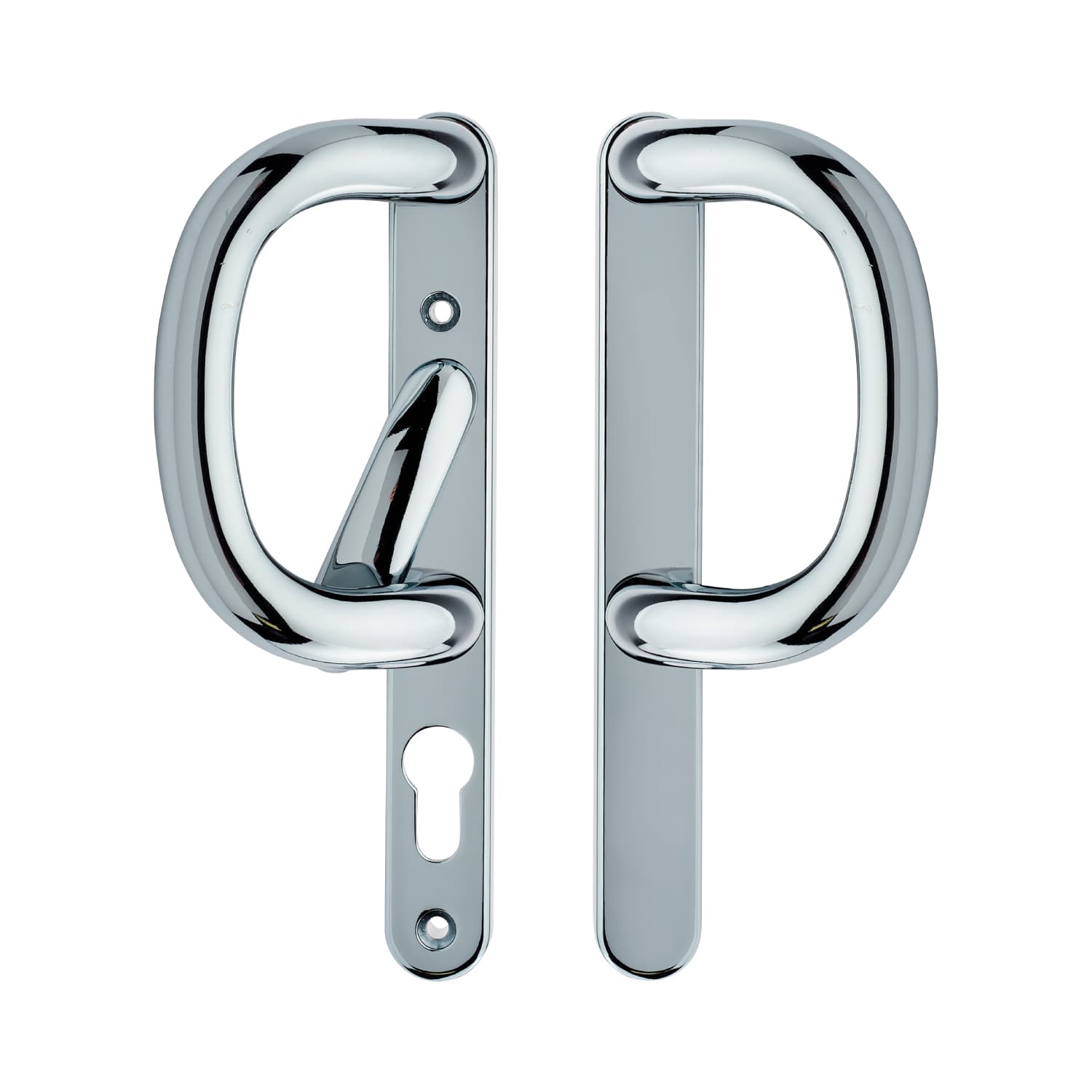
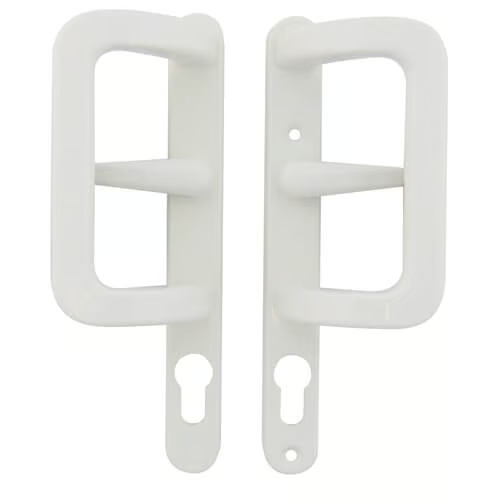
- Patio Door Handle Set - 92PZ White
- Winlock Patio Door Handle Set
- Pembroke Locking And Dummy Patio Door Handle
- Flag Door Hinge - Stainless Steel
- Adjustable Flag Hinge - 100mm
Conclusion and next steps
Matching a flag hinge correctly requires careful measurement, attention to material compatibility and the right choice of fixings and finish. For trade jobs, keep a small stock of common sizes, adjustable options and stainless finishes; for DIY work, measure twice and opt for adjustable or lift-off types where possible to make alignment easier. If in doubt, consult the hinge manufacturer datasheet or contact a specialist supplier with the recorded measurements and photographs.
Next steps: measure the existing hinge dimensions and door weight, note the frame material and environment, then check supplier datasheets or bring measurements to your local trade counter for a direct cross-reference. If you need help identifying a particular hinge profile or specification, Window Hardware Store can assist with part matching and technical advice.