
How to Measure a Shootbolt for Replacement
How to Measure a Shootbolt for Replacement Whether you are a trade installer or a competent DIYer, getting the measurements right for a replacement shootbo...
Whether you are a trade installer or a competent DIYer, getting the measurements right for a replacement shootbolt avoids wasted time and returns. A shootbolt is the moving bolt at the top and/or bottom of an espagnolette-style sash that secures the window into its keeps; incorrect sizing will cause misalignment, poor security and possible damage to the new part. This post explains how to identify the type of shootbolt you have, the exact measurements to take, common faults to check for and practical advice for ordering the correct replacement.
Identify the type of shootbolt
Start by identifying whether the window uses an espagnolette centre case with two shootbolts (top and bottom) or a separate shootbolt mechanism. Typical configurations are integrated espagnolette rods that run vertically inside the sash, and individual shootbolts fitted to the sash edge. Note also whether the rods are round, square or flattened at the tip; whether they are straight or cranked; and whether the keep (strike) is a mortice plate or surface-mounted. Photograph the existing arrangement for reference.
Tools and safety measures
- Screwdrivers or a multi-bit set
- Tape measure and a small ruler; digital calipers if you have them
- Marker pen and masking tape to mark positions
- Pliers and a small hammer for stubborn parts
- Camera or smartphone for photos
- Step ladder for top bolts and a helper to support the sash
Always support the sash when removing fixings. If the shootbolt is part of a heavy metal case, have a second person to steady the window. Wear eye protection when working with brittle or corroded parts.
Key measurements to record
When ordering a replacement you will typically need the following measurements. Write them down and include clear photos for supplier support.
- Rod length: measure from the bolt case faceplate to the tip of the shootbolt when fully extended. If the bolt is recessed into the case, note the case edge as your reference point.
- Projection (throw): how far the bolt protrudes from the faceplate when locked. Operate the handle to extend the bolt and measure the distance from the faceplate to the bolt tip.
- Rod diameter or cross-section: measure the width of the rod; common sizes include round rods around 7 to 8 mm and various rectangular sections. If possible use calipers for accuracy.
- Faceplate length and width: measure the visible faceplate on the sash edge; note the distance between the fixing screw centres.
- Case depth (backset): distance from the faceplate to the rear of the case inside the sash. This often requires removing the sash furniture or the case to measure accurately.
- Fixing hole positions: distance between fixing screws and their position relative to the rod; this is critical for a direct replacement so the new faceplate lines up with existing holes.
- Keep/strike measurements: note the shape, length and distance from the keep fixing screws to the centre of reception where the bolt enters; capture top and bottom keeps separately.
- Handing: record whether the sash is left- or right-hand hung and whether the shootbolts operate upwards or downwards; some rods are handed or require bending to fit.
Step-by-step measuring method
Follow these steps to get reliable dimensions:
- Open the sash and operate the handle so the shootbolts are fully extended. If the mechanism is broken, gently pull the rod out using pliers after supporting the sash.
- Place masking tape on the faceplate and mark the position of the bolt tip; this helps if the bolt retracts while you measure.
- Measure the projection from the faceplate to the bolt tip; this tells you how far the bolt needs to travel to engage the keep.
- Measure the overall visible rod length from the faceplate edge to the tip. If the rod extends into the head or cill cavity, open the head/ cill access or remove the case to measure full length.
- Record the rod diameter or section using calipers or a rule; include a photo next to a coin or ruler to show scale.
- Unscrew the faceplate to expose the case if you need case depth or fixing hole positions; mark those distances carefully.
- Measure the keeps in place: overall length, screw positions and the gap where the bolt enters. Replace keeps that are worn or bent at the same time as the shootbolt if possible.
Common problems to check for
Before ordering, check these issues so you know whether only the shootbolt needs replacing:
- Corrosion or seized rods: may mean the rod cannot be fully extended; cleaning or lubricant might recover it temporarily.
- Bent rods: even a small bend will prevent smooth operation and will need a full replacement.
- Worn keeps: if the keep is rounded or damaged the bolt will not engage securely; replace keeps to restore security.
- Misaligned sash: if the sash has dropped or twisted, a correctly measured shootbolt still may not engage; adjust hinges or run-out before fitting new hardware.
Ordering the replacement
When ordering a replacement shootbolt, provide the supplier with:
- Photos of the whole sash, the faceplate, rod and keep
- All measurements from the checklist above
- Any part numbers stamped on the case or numbers from the old keeps
- Information about material preference: stainless steel for coastal locations or standard steel with a protective finish for general use
Many window hardware specialists supply universal shootbolt kits that suit a range of sizes; however, for direct-fit replacements keep accurate measurements to hand. If the mechanism is obsolete, a modern espagnolette conversion may be a better long-term solution; see product details on our espagnolette page /guides/espagnolette-window-locks.
Practical trade tips
- Keep a set of common replacement rods and keeps in stock: sizes covering the most frequent diameters and faceplate lengths will reduce call-backs.
- Label parts taken from site and keep a digital photo library indexed by common measurements; it speeds up quoting.
- When retrofitting a new keep, always test the bolt engages smoothly through the full travel with the sash in closed position before final fixings.
- For high-security installs use longer throw shootbolts and reinforced keeps; match material grades to the environment to avoid premature corrosion.
Recommended Products
Based on this article, you may find these products helpful:
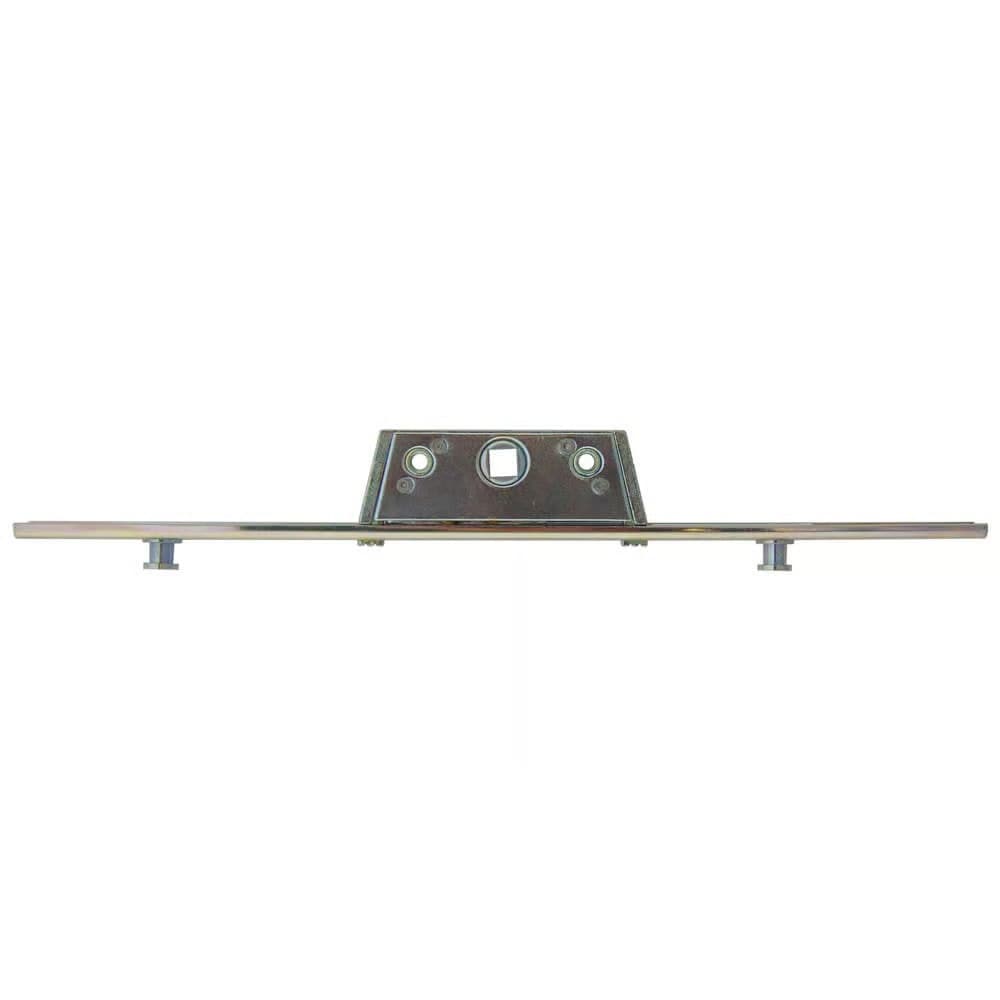
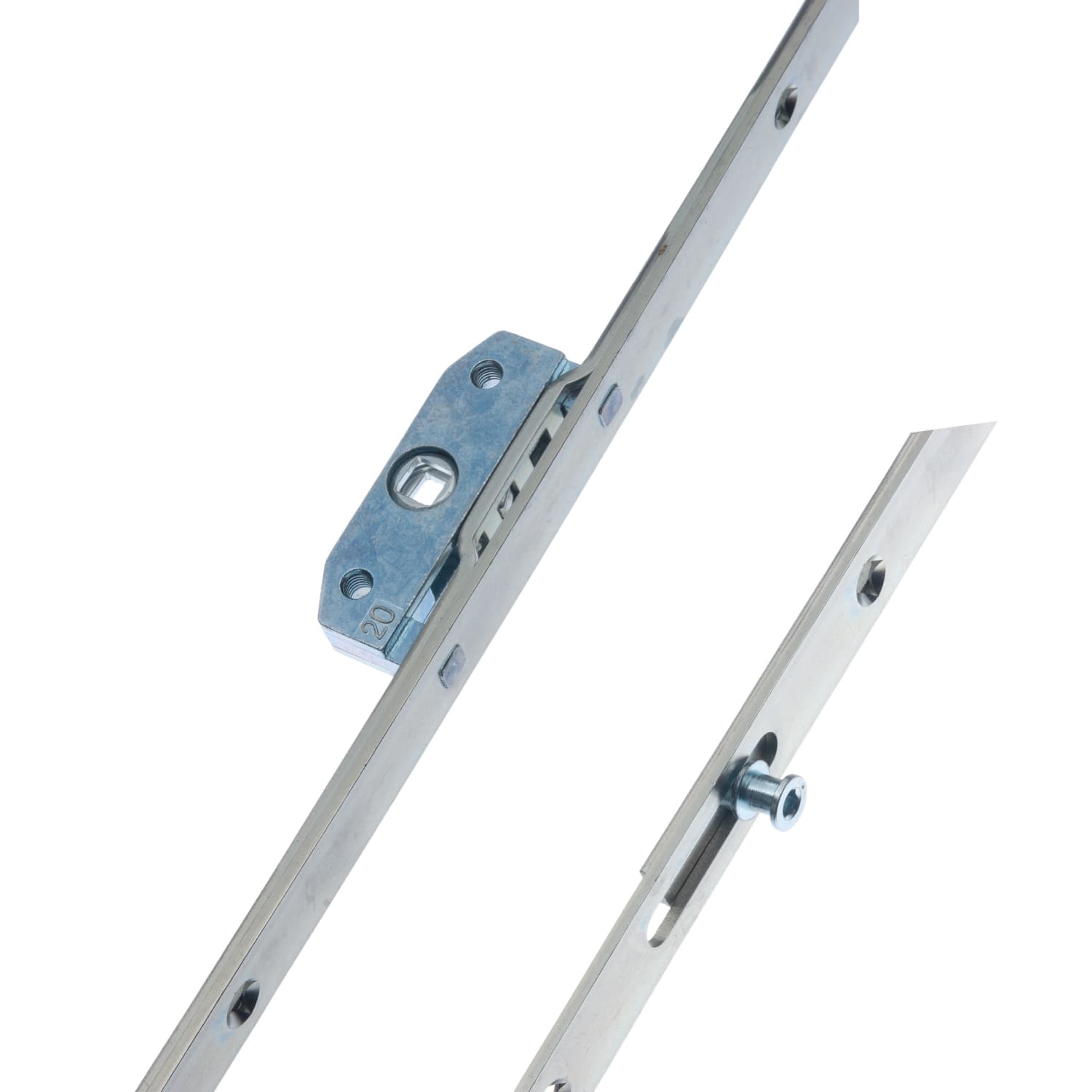
- ERAB Espagnolette Window Lock Universal Lock Replacement
- Avocet Slimline Offset Window Espag
- In-Line Window Mechanism
- Offset Window Mechanism
- TSS Inline Espags 22mm Backset
Conclusion and next steps
Accurate measurement of a shootbolt is straightforward if you follow a consistent checklist: identify the type, measure rod length, projection, section, faceplate and keep details, and photograph the set-up. For trade professionals, maintain a small stock of universal sizes and carry calipers and a camera to speed up diagnostics. If you need help identifying a part or sourcing a direct replacement, contact Window Hardware Store with your measurements and photos or consult our espagnolette reference at /guides/espagnolette-window-locks. We can advise on matching keeps, materials and conversion options for older or obsolete gear.
Products mentioned in this article

Related articles
Window Gearbox Maintenance: Keeping Your Locks Working Smoothly
Window Gearbox Maintenance: Keeping Your Locks Working Smoothly A well maintained window gearbox keeps casement and tilt-and-turn windows operating smoothl...
Troubleshooting Shootbolt Problems: A Window Fitter's Guide
Troubleshooting Shootbolt Problems: A Window Fitter's Guide Shootbolts are a small but vital component in many modern window and patio door locking systems...
What Is a Shootbolt Lock? Complete Guide to Window Security
What Is a Shootbolt Lock? Complete Guide to Window Security What is a shootbolt? A shootbolt is a mechanical locking element commonly used in windows and d...