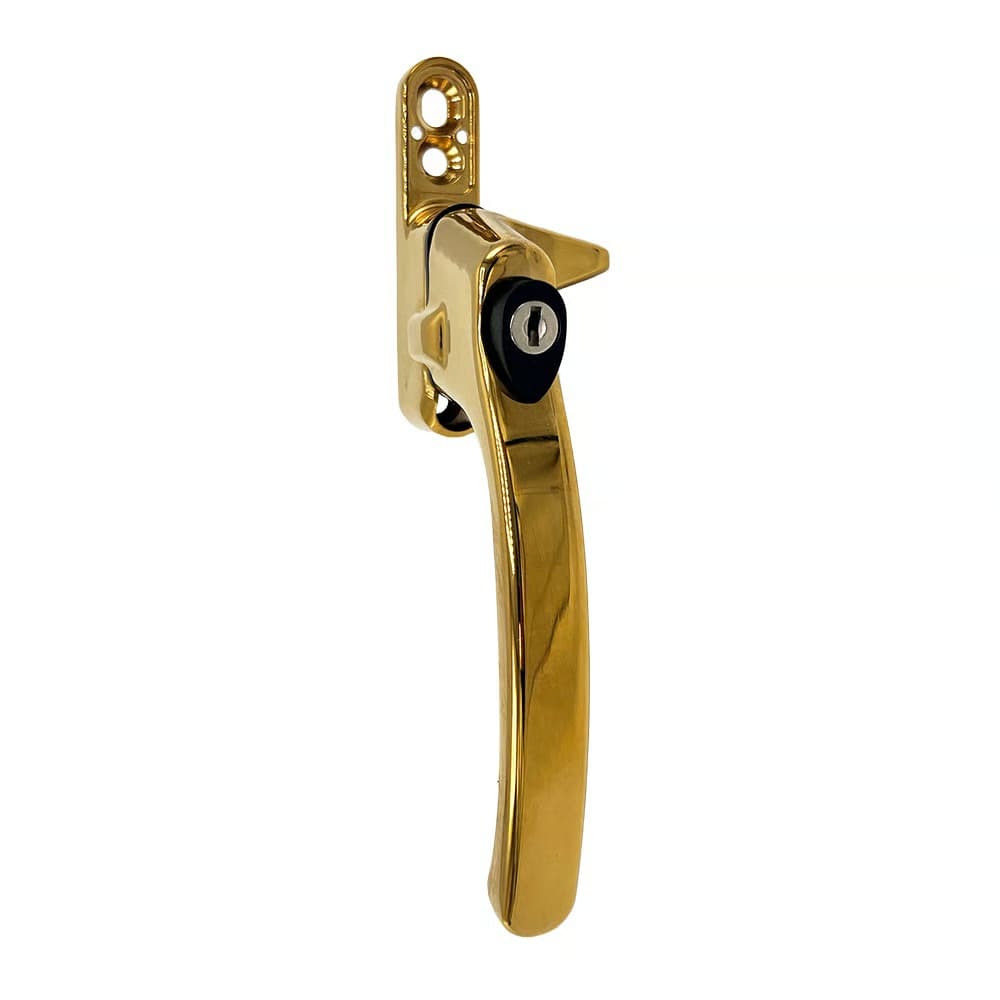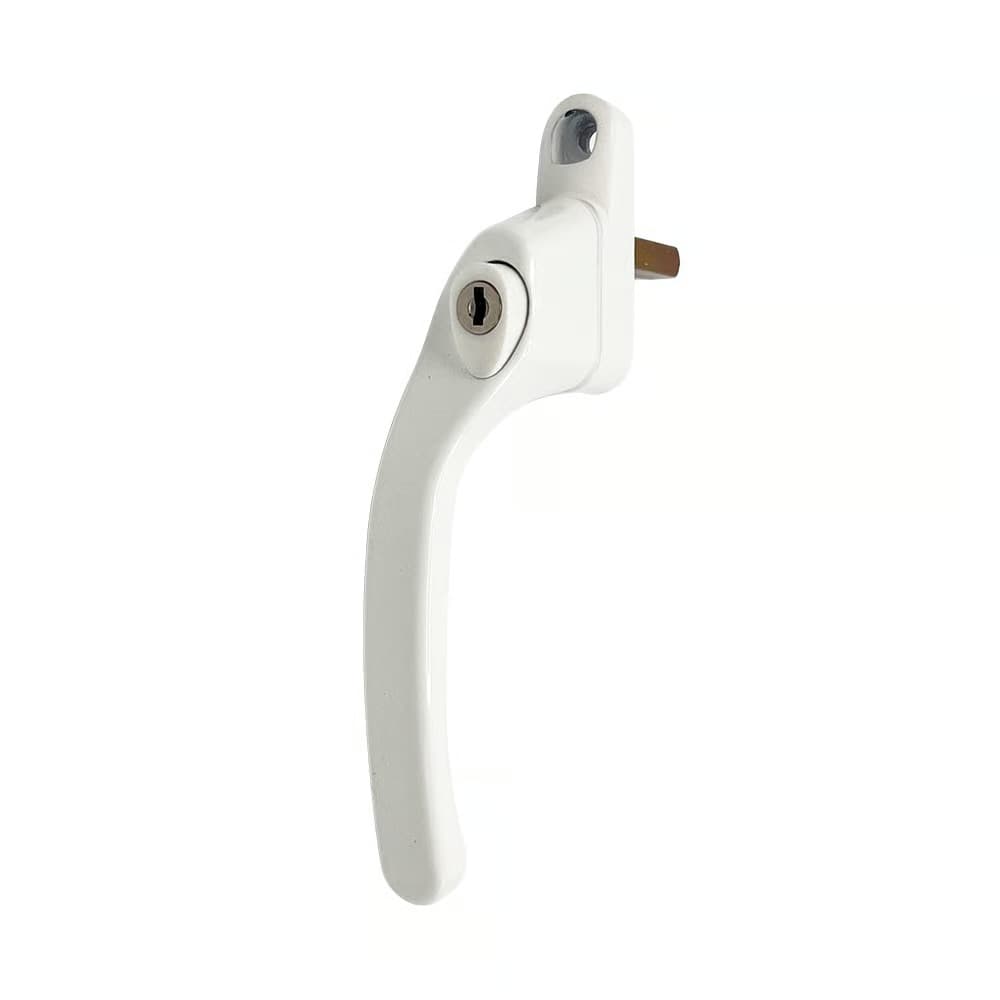
How to Measure Cockspur Window Handles (Step Height Explained)
Correctly measuring cockspur window handles ensures secure operation and an accurate replacement. This guide explains what step height is, why it matters,...
Correctly measuring cockspur window handles ensures secure operation and an accurate replacement. This guide explains what step height is, why it matters, and provides step‑by‑step instructions and practical tips for homeowners and tradespeople measuring cockspur window handles to guarantee compatibility and smooth installation.
What is step height and why it matters
Step height (sometimes called the lip or projection) is the vertical distance from the base of the handle’s mounting plate to the point where the hook engages the window frame or keeps. It determines whether the hook will catch the keep securely and therefore whether the handle will lock correctly. Incorrect step height can lead to poor sealing, rattling, or a handle that will not lock or unlock properly.
Manufacturers produce cockspur handles with different step heights to match varying window profiles and keep positions. Matching the step height of a new handle to the original avoids guesswork and prevents glazing pressure issues.
Tools needed
- Steel rule or vernier caliper (accurate to 0.5 mm)
- Straight edge (ruler recommended)
- Marker or pencil
- Tape measure
- Paper and camera (for notes and photos)
- Flat‑head screwdriver (to remove handle if required)
Measuring step height: step‑by‑step
1. Prepare the window - Close the window so the existing cockspur handle rests against the keep. Lock the handle if possible to hold it in position. - If the old handle is missing or damaged, measure with the window closed and the keep fully engaged.
2. Locate reference points - Identify the base of the mounting plate where it sits against the frame. This is the lower reference point. - Identify the highest point of the spur (the part that hooks into the keep). This is the upper reference point.
3. Measure the vertical distance - Place the straight edge across the base of the mounting plate to ensure a consistent horizontal reference. - Using a steel rule or caliper, measure vertically from the base plane to the tip or highest engagement point of the spur. Record to the nearest millimetre. - For tapered or rounded spurs, measure to the point that makes contact with the keep when locked.
4. Check related dimensions - Overall handle length (from centre of mounting screw to end of handle) can affect clearance. - Backset (distance from centre of spindle or mounting screw to the edge of the door or frame) is useful where mounting positions vary. - Spindle length and diameter (for espagnolette/espag types) are relevant only for handle sets that use a spindle; cockspur handles are surface mounted but may still require spindle checks if combined with multi‑point hardware.
5. Take photos and multiple readings - Photograph the handle and its engagement with the keep from different angles. - Repeat the measurement two or three times to confirm consistency.
Measuring without an existing handle
When no handle is present, measure the distance from the face of the window frame to the inside face of the keep where the spur would sit. Use a straight edge to create a base plane aligned with where the handle’s mounting plate would sit. Then project vertically to the engagement face and match this distance to available step heights.
Common pitfalls and how to avoid them
- Measuring the spur along the slope: Always measure vertically to a base plane rather than along the spur’s slant to avoid underestimating the step height.
- Ignoring the keep type: Different keeps (face‑fixed, recessed, adjustable) change the required step height. Note the keep style in your records.
- Assuming all cockspur handles are the same: Cockspur window handles come in many step heights and finishes; use exact measurements instead of relying on appearance.
- Forgetting clearance: Check that the handle clears glazing beads, beading, and nearby hardware when turned fully.
Compatibility and material considerations
Match the handle material and finish to existing hardware for corrosion resistance and aesthetics. Aluminium and stainless steel handles resist weathering better than coated steels in coastal locations. Consider a heavy‑duty option for high‑use doors or commercial applications.
When selecting a replacement, look at models designed for the specific step height and keep type. For example, the TSS Cockspur Window Handle is available in several step heights and finishes to suit most standard timber and metal windows. For alternative profiles and locking options, the TSS Offset UPVC Window Handles provides a robust design compatible with many common keeps. Tradespeople replacing several handles across a project may prefer a premium option such as the TSS Cockspur Window Handles where additional security features are required.
Practical tips for replacement and fitting
- Always test the new handle before fully tightening screws. Slight adjustments in position may be necessary to ensure the spur aligns and the handle operates smoothly.
- Use non‑rust screws of the correct length to avoid penetrating glazing beads or damaging frame cores.
- If the keep is adjustable, set the keep position first, then remeasure step height to ensure a snug engagement without excessive pressure on the frame.
- For painted frames, gently clean the mounting area to ensure the plate sits flush; shims or thin spacers may be used when minor paint build‑up prevents proper seating.
- Replace keeps that show wear; worn keeps can cause false readings and premature handle failure.
When to seek professional help
Complex multi‑point locking systems, non‑standard frames, or uncertain measurements are best handled by a skilled joiner or locksmith. Tradespeople should record measurements and keep photos for product suppliers to confirm matches before ordering.
Summary
Accurate measurement of cockspur window handles, particularly the step height, ensures correct engagement, security and longevity. Use a reliable straight edge and measure vertically from the mounting base to the spur tip, record additional dimensions such as backset, and consider keep type. Match the step height and finish to the window system, and test fit before finalising. For a wider overview of window handle types and selection guidance, consult the Window Handles Guide.