How to Measure Double Glazing Window Handles (Spindle and Centres)
Double glazing window handles are a small but vital part of window function and security. Accurate measurements are essential when replacing handles to ens...
Double glazing window handles are a small but vital part of window function and security. Accurate measurements are essential when replacing handles to ensure smooth operation and correct alignment with the locking mechanism. This guide explains how to measure spindle length and centres, identifies common handle types, and gives practical tips for homeowners and tradespeople to get the right replacement first time.
Identify the handle type
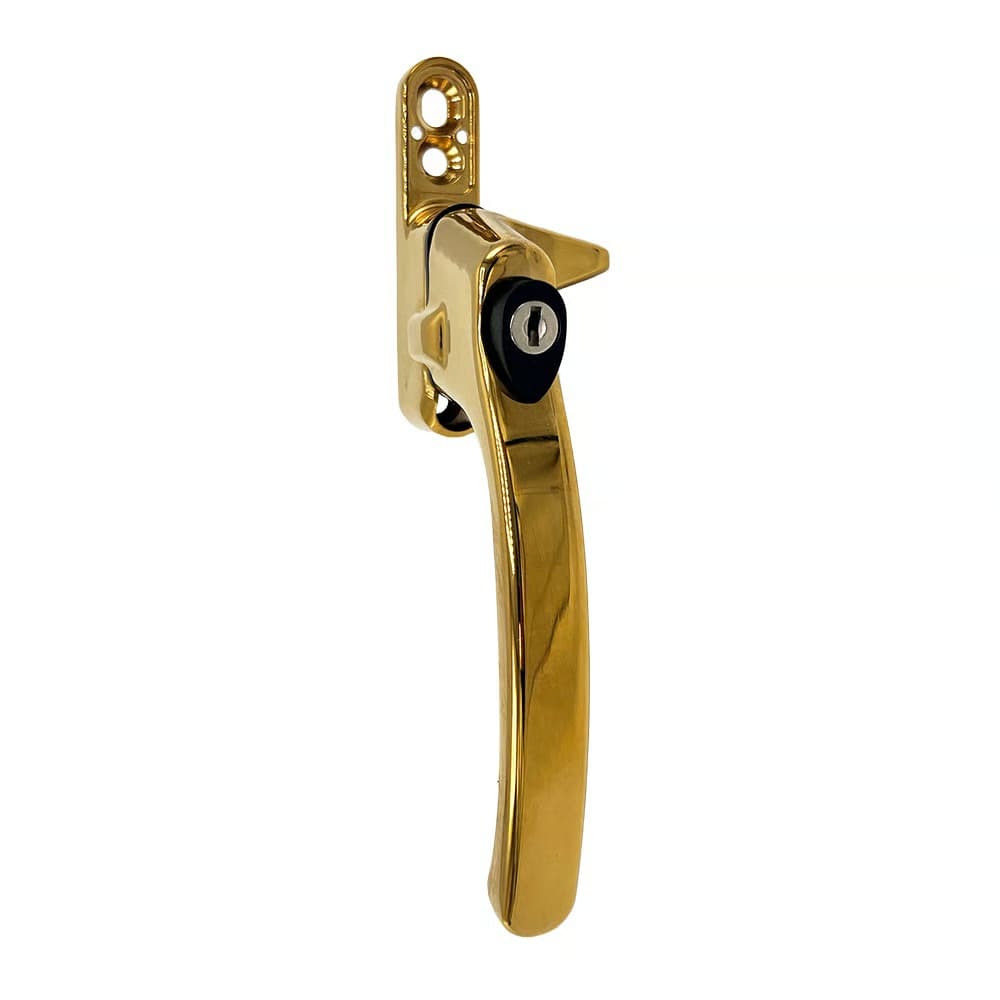
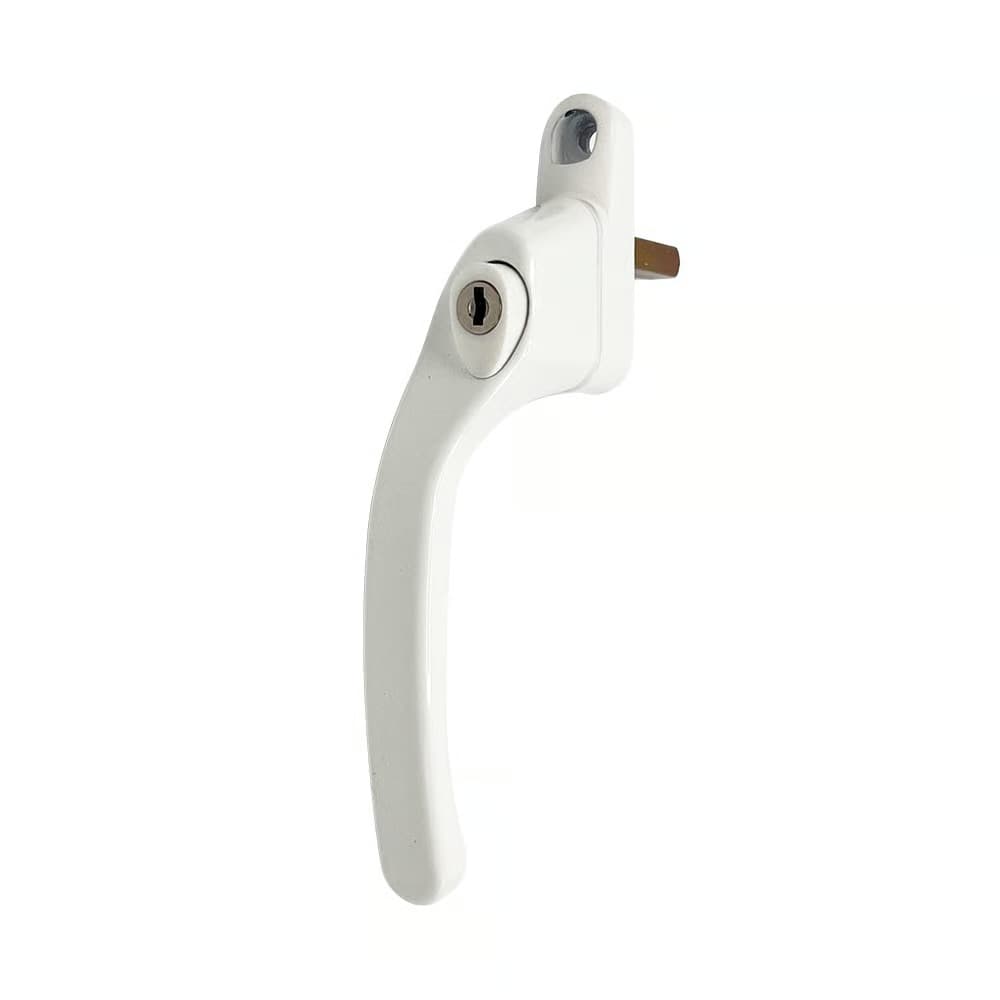
Different handle styles have different measurement priorities. The most common types on double glazing are espagnolette (espag) handles, cockspur handles, and tilt-and-turn or friction-fit handles.
- Espag handles operate an espagnolette locking strip with a square spindle and usually require spindle length and screw-centre measurements.
- Cockspur handles have a curved metal latch that hooks over the frame; measurements focus on overall handle length and the position of the cockspur.
- Tilt-and-turn or casement handles may have specific fixings and spindle profiles.
Tools required
Have these basic tools on hand:
- Tape measure and ruler (metric)
- Vernier calipers for precise spindle measurement (recommended)
- Small screwdriver to remove the handle if necessary
- Marker or masking tape to mark reference points
Measuring spindle length
The spindle is the square metal rod that projects from the handle into the lock mechanism.
1. Remove the handle: Unscrew the fixing screws and pull the handle away from the window. Note whether the handle fixes to a rose or backplate. 2. Measure the exposed spindle: Measure from the base (where the spindle meets the handle body) to the spindle tip. Record the dimension in millimetres. 3. Measure the full spindle length in-situ if the handle is fixed and cannot be removed: Measure from the face of the handle backplate to the end of the spindle that enters the gearbox. 4. Account for depth: For many replacements, the critical distance is the projection of the spindle into the gearbox; standard square spindle sizes are 7 mm or 8 mm across flats. Verify the spindle cross-section with calipers. 5. Consider whether a longer spindle can be trimmed: It is acceptable to order a slightly longer spindle; the protruding part can be cut back. Never order a too-short spindle that won’t engage the gearbox.
Record the spindle size (e.g., square 7 mm) and the projection in mm. For espag handles the most common projection lengths are 35 mm, 40 mm and 45 mm, but always measure rather than assume.
Measuring centres (screw centres and backset)
Centres generally refer to the bolt-hole spacing or the distance from the spindle to a fixing screw.
1. Screw-centre measurement: Measure the centre-to-centre distance between the two fixing screws running through the handle backplate or rose. Place the zero of the tape at the centre of one screw recess and read the distance to the centre of the other. Common centres are 43 mm, 70 mm and 92 mm on certain handle styles. 2. Spindle-to-screw measurement (backset): For some handles, particularly espags and multipoint fittings, measure from the spindle centre to the middle of the nearest fixing screw. This determines whether the handle will align with existing holes on the uPVC frame. 3. Edge backset: For espag handles fitted to the sash, measure from the outer edge of the sash to the centre of the spindle — this is important if replacing a handle with a different backset.
Always quote measurements in millimetres and indicate whether they are centre-to-centre distances.
Measuring cockspur handles
Cockspur handles have different requirements.
1. Overall length: Measure the full length of the handle from top to bottom. 2. Spur position: Measure from the top of the handle plate to the centre of the cockspur pivot and from the pivot to the end of the spur when closed. The horizontal distance the spur engages into the frame is critical to ensure a secure hook. 3. Thickness and fixing type: Note whether the handle uses screws through the plate, through-bolts, or a bayonet washers system.
Cockspur handles are often easier to match by model or by measuring the spur engagement rather than precise spindle lengths.
Practical tips and common pitfalls
- Always measure twice. Small errors produce handles that look right but won’t operate the locking mechanism.
- Note handedness: Handles are handed (left or right) depending on the side the handle sits on when viewed from inside. Check whether the handle opens outward or inward and the direction of the latch.
- Photographs help. Take close-up photos of the handle, the spindle, and the locking area; these assist suppliers in confirming compatibility.
- Check the spindle profile: Some modern windows use D-shaped or spline spindles rather than square. Order the appropriate profile.
- Match finish and screw type: Ensure replacement handles use the same fixing pattern (through-bolts or screw recesses) and have an appropriate finish for the property.
- Consider upgrades: When replacing old or worn handles, consider upgrading to a higher-security espag handle or a 3 star key-locking option for improved security.
Ordering and fitting advice
When ordering, provide clear information:
- Handle type (espag, cockspur, casement)
- Measured spindle projection and profile (e.g., 7 mm square, 40 mm)
- Centres (screw-centre or spindle-to-screw distances)
- Handing and finish
- Photographs of the window and handle
Replacing double glazing window handles with accurate measurements keeps windows secure, functioning and looking correct. Providing precise spindle lengths, centres and clear photos will make the ordering process straightforward for tradespeople and homeowners alike.