How to Measure Window Handles for uPVC Windows (Spindle and Centres)
Replacing or upgrading window handles requires accurate measurements to ensure a correct fit. This guide explains how to measure window handles for uPVC wi...
Replacing or upgrading window handles requires accurate measurements to ensure a correct fit. This guide explains how to measure window handles for uPVC windows, covering both spindle measurements for espagnolette (espag) style handles and screw centres for cockspur and more traditional handles. Practical, step-by-step advice and tolerance recommendations reduce the risk of buying the wrong part and help both homeowners and tradespeople complete installations quickly.
Identify the handle type first
Different handle types require different measurements. The two most common for uPVC windows are espag (espagnolette) handles, which operate a gearbox and spindle that drives the locking mechanism, and cockspur handles, which hook over the keep. Other varieties — such as cranked handles, tilt-and-turn handles and push-lock handles — have their own dimensions but follow the same measurement principles.
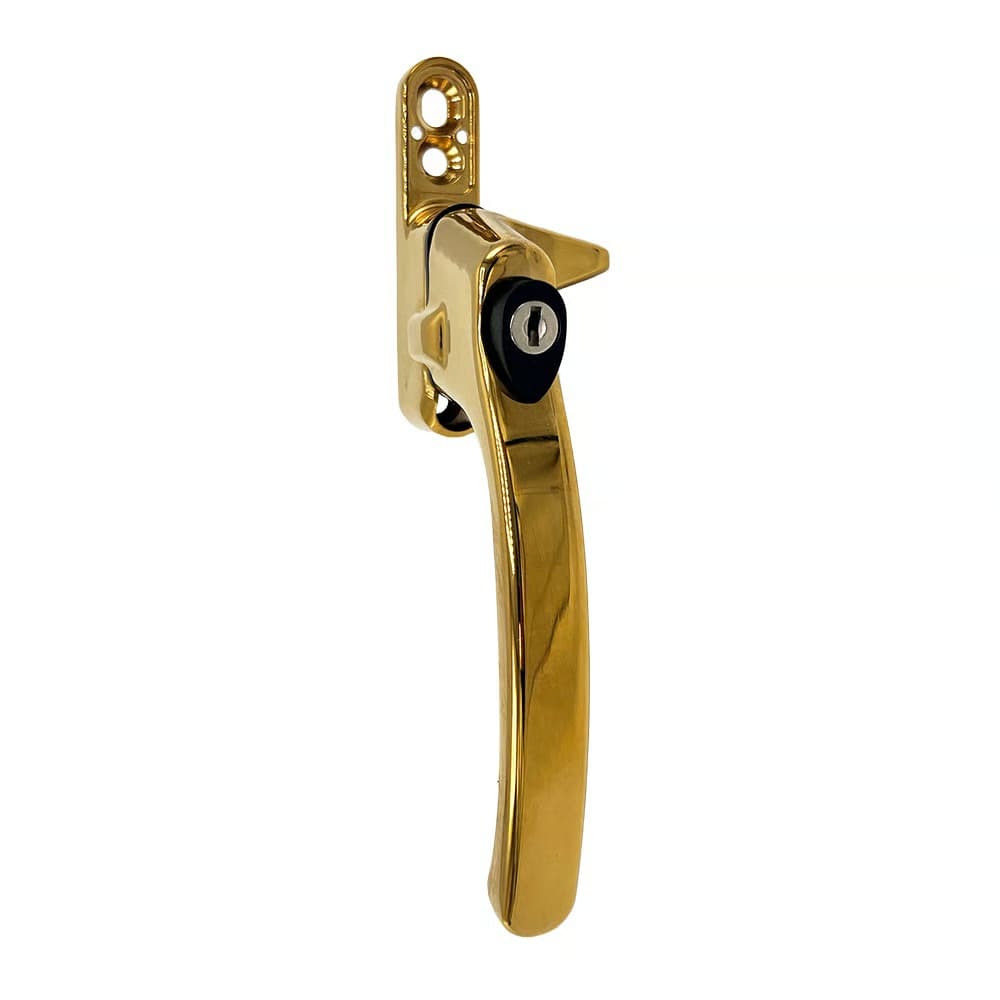
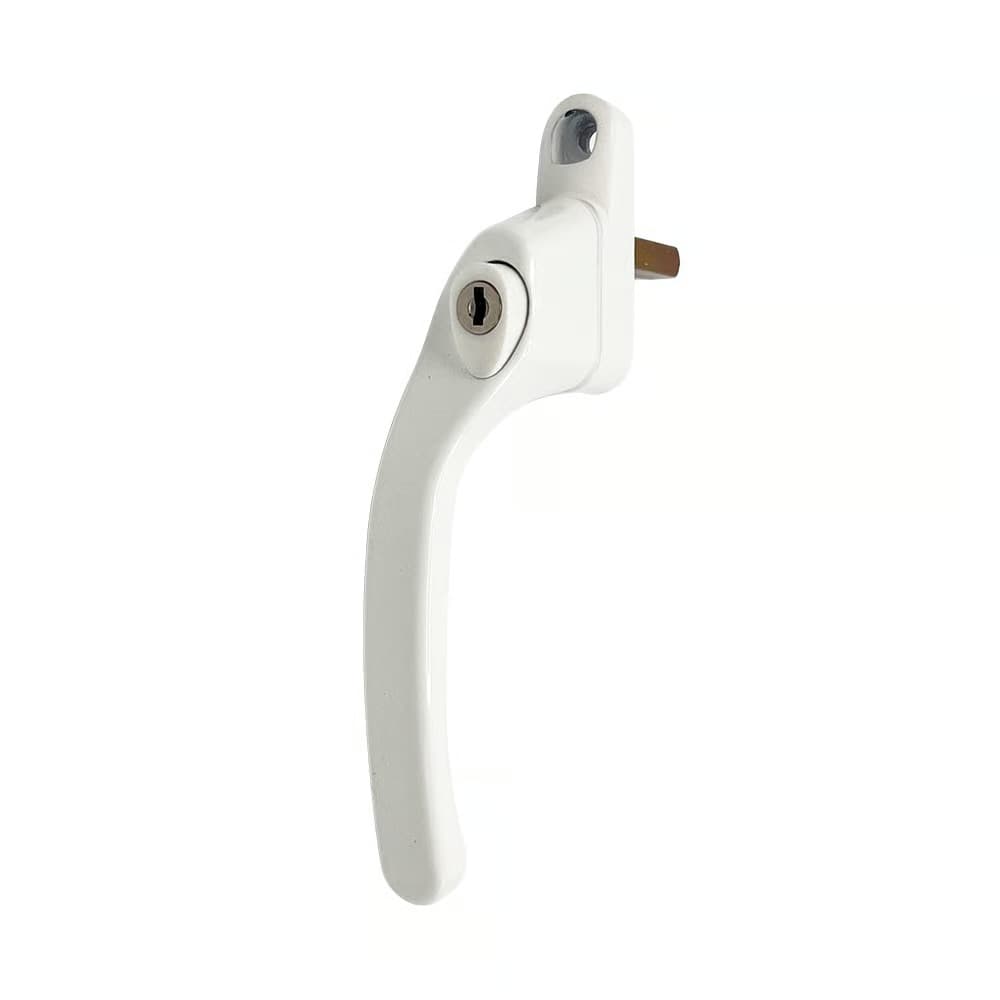
Link one example for each common style when confirming compatibility: TSS Cockspur Window Handles, TSS Cockspur Window Handle and TSS Offset UPVC Window Handles.
Tools required
- Steel rule or tape measure (metric markings)
- Vernier caliper (recommended for spindle accuracy)
- Phillips and flat-head screwdriver
- Marker or masking tape
- Small piece of paper/card to record measurements
Measuring espag handles — spindle length and position
Espag handles connect to the window gearbox via a square spindle. Two dimensions are crucial: spindle length and spindle position relative to the handle fixing.
1. Remove the handle gently by unscrewing the visible fixing screws on the rose or backplate. For handed handles, remove the cover cap first if present. 2. Measure the spindle length: from the end of the square spindle to the surface of the handle backplate (or the inside face of the handle when the handle has been removed). Record the distance in millimetres. Common spindle lengths are 35mm, 40mm, 45mm, 55mm and 70mm, but variations exist. 3. Note the spindle shape and size: most are 7mm square for uPVC, but older or bespoke gearboxes may use 8mm or 6mm. Use a caliper to confirm the width. 4. Measure the spindle offset (if relevant): some handles are cranked or have an offset where the spindle sits away from the handle centre. Measure from the centreline of the spindle to the face of the handle backplate. 5. Check screw positions: measure the distance between any fixing screw centres on the handle backplate (vertical or horizontal) — recorded as screw centres. For euro cylinder locks the centre of the cylinder is also useful to note.
If the handle cannot be removed, measure the visible exposed spindle from the handle face to the exposed end, though removal gives a more accurate reading. Always round to the nearest millimetre and note whether the spindle is inset or protruding.
Measuring centres for cockspur and traditional handles
For cockspur and many older uPVC handles the important measurement is the screw centre distance — the distance between the fixing screws that attach the handle to the frame.
1. Open the window so the handle is accessible and locate the two fixing screws on the backplate of the handle. 2. Measure the distance between the centres of these screws horizontally or vertically, depending on the profile. Typical centres: 43mm, 45mm, 52mm and 63mm are commonly used. 3. If the screws are countersunk beneath dust caps, gently pry off the caps with a flat-head screwdriver to expose the screws. 4. For cockspur handles, also measure the projection (how far the spur protrudes) and the height of the spur from the underside to the top edge — this ensures the replacement spur will catch the keep correctly.
Record screw centre measurements to the nearest millimetre. When replacing handles on older uPVC, noting the length and angle of the spur prevents interference with the keep and ensures smooth locking.
Additional measurements and checks
- Handing: Note whether the handle is left- or right-handed (facing the window from the inside, which way the handle points when closed and locked). Handing determines the spindle rotation direction and lock orientation.
- Backplate size and shape: Measure the overall backplate or rose diameter and the distance between eccentric screw holes where applicable, particularly for keyed or locking handles.
- Cylinder and multipoint compatibility: Where the handle operates a multipoint lock, confirm the position of the lock cylinder and the centre distance to the spindle. Multipoint systems may require a specific spindle length or connector rod.
- Material and finish: Ensure the replacement handle material and finish match the existing hardware to avoid galvanic corrosion and aesthetic mismatch.
Tolerances and installation tips
- Allow a tolerance of ±1mm for spindle length and screw centres. Handles that are 1–2mm out can often be accommodated with longer or shorter spindles, but larger discrepancies typically require different handle types.
- Use a caliper for spindle square dimensions to avoid rounding errors that affect fit.
- When fitting a new espag handle, ensure the gearbox is in the correct position (handle neutral) so the spindle engages smoothly. For locking handles, align the key cylinder before tightening fixings.
- Do not overtighten handle screws; overtightening can warp plastic backplates and distort screw centres.
- If the gearbox shows excessive wear or the locking mechanism is stiff, replace the gearbox alongside the handle to ensure reliable operation.
Ordering and compatibility
When ordering replacement window handles for uPVC windows, provide the spindle length, spindle width, screw centres, hand, and any cylinder measurements. For tradespeople, keeping a small range of common spindle lengths and cockspur centres in a van reduces call-back visits. Homeowners should match at least two dimensions (for example, spindle length and screw centres) to be confident of compatibility.
Accurate measurement avoids returns and ensures secure, smooth operation after installation. For more detailed advice on handle types and fitting, consult the comprehensive resource: Window Handles Guide