How to Replace Window Handles for uPVC Windows: Avoid These Mistakes
Replacing a window handle on a uPVC window is one of the most common DIY tasks for homeowners and tradespeople. Done correctly, it takes little time and re...
Replacing a window handle on a uPVC window is one of the most common DIY tasks for homeowners and tradespeople. Done correctly, it takes little time and restores security and smooth operation. Done incorrectly, it can damage the mechanism, create draughts or leave the window insecure. This guide outlines clear, actionable steps and highlights the common mistakes to avoid when replacing window handles for uPVC windows.
Identify the handle type and handing
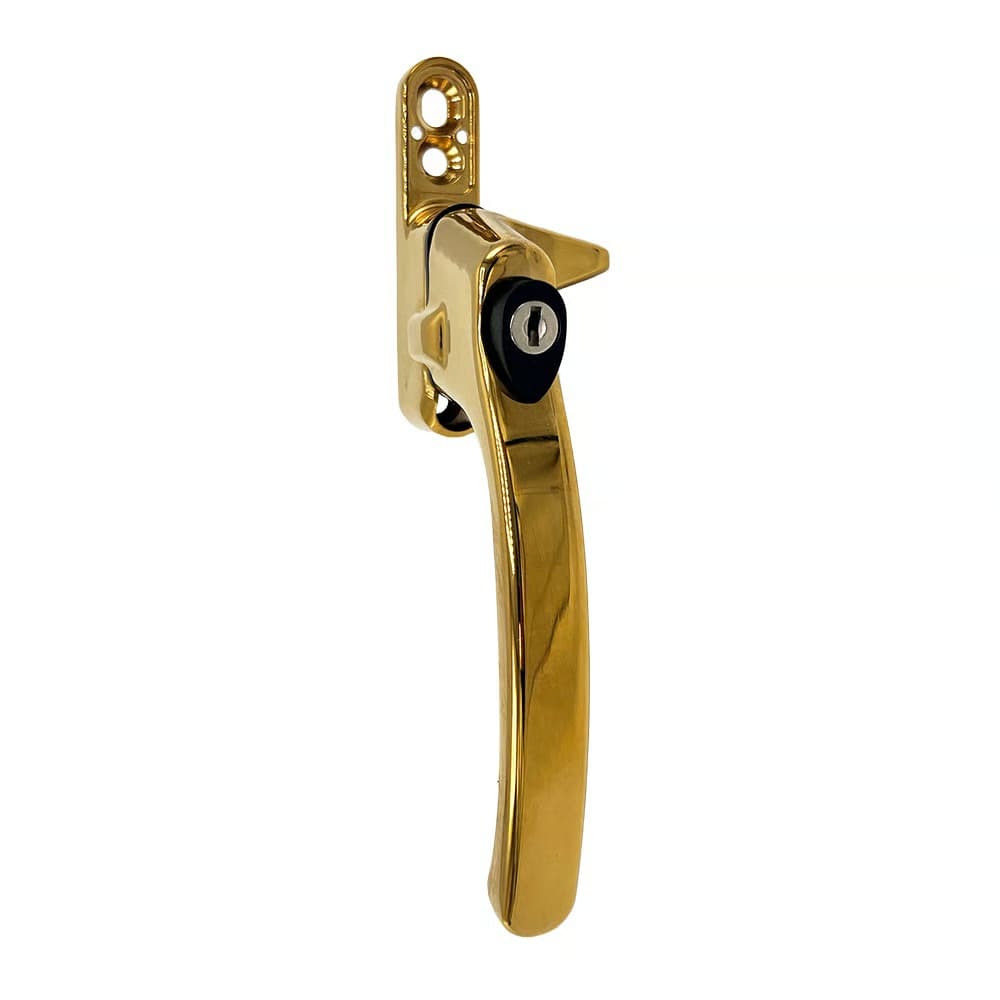
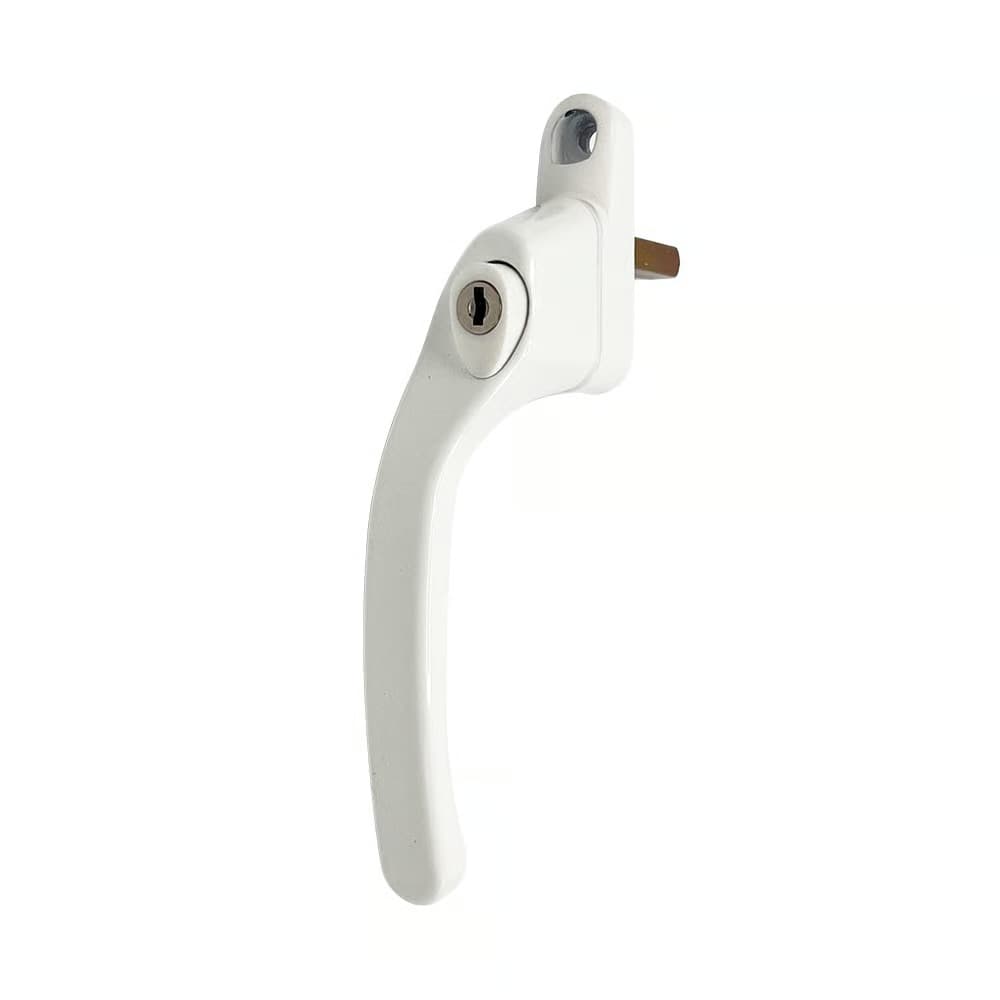
Before removing anything, identify the handle type and the handing (which side it hinges towards). Common types for uPVC windows include espagnolette (espag) handles, cockspur handles and screw-on lever handles. Matching the replacement to the existing mechanism is essential for a correct fit and to avoid ordering the wrong product. For example, an espag handle connects to an internal locking rod, while a cockspur handle fastens onto the window's sash face. When in doubt, photograph the handle and mechanism for reference.
Recommended handles include the TSS Cockspur Window Handles for espag systems, the TSS Cockspur Window Handle for traditional face-fix cockspur applications and the TSS Offset UPVC Window Handles as a robust all-round option.
Tools and preparation
Gather the correct tools before starting: a set of Phillips and flat-head screwdrivers, Torx drivers (T15/T20 commonly), a hex key if required, a tape measure, masking tape and a pencil. Wear protective gloves and eye protection. Work on a dry day or indoors to avoid moisture affecting fixings. Close and lock the window to ensure the mechanism is in its rest position; this often aligns the spindle or espagnolette for easy removal.
Removal: avoid forcing and misalignment
Careful removal prevents damage to the sash or locking mechanism.
- Loosen and remove visible screws holding the handle. Some handles conceal fixing screws under a cover; gently lever these off with a flat-head screwdriver.
- Support the handle while removing screws to prevent it dropping and damaging the paintwork or glass.
- For espag handles, withdraw the spindle straight out; do not twist or pull at an angle, which can bend the spindle.
- For cockspur handles, unhook the spur from the keep before removing screws.
Measure and match the replacement
Accurate measurement avoids returns and extra trips. Measure the spindle length and thickness for lever handles and the distance between screw centres for face-fix handles. Note whether the handle is reversible (left/right handing) or fixed. Espag handles often require the correct keyway position and screw spacing to match the internal locking rod.
Mistakes to avoid: assuming all handles are the same or ordering purely by colour or style. A handle that looks identical may have different screw centres or a different spindle diameter and will not fit.
Installation: alignment and torque
Installation is more than reversing removal. Correct alignment and measured tightening ensure longevity.
- Position the new handle in place and loosely fit screws to allow final alignment.
- Ensure the spindle fully engages the lock mechanism; it should slide smoothly into the gearbox.
- Tighten screws gradually and evenly to avoid distorting the handle rose or squeezing the uPVC material. Over-tightening can crack the handle base or strip the thread in the sash.
- Fit any trim covers or plastic caps last, snapping them gently into position.
Check operation and security
After fitting, operate the handle through full travel several times to confirm smooth action and correct locking engagement.
- Close and lock the window to check the espagnolette engages all keeps along the frame.
- For cockspur handles, confirm the spur correctly overlaps the sash keep and compresses slightly for a weatherproof seal.
- Look for gaps, binding, or excessive play in the handle. If the handle doesn’t fully lock or feels loose, re-check spindle length and screw tightness.
Weatherproofing and finishing touches
Replacing a handle can disturb seals or reveal degraded keeps. Inspect the rubber seals around the sash and consider replacing or resealing if you find gaps.
- Tighten keeps and strike plates if they have moved during the handle replacement.
- Touch up superficial scratches on the uPVC with a suitable cleaning compound or uPVC repair kit to prevent dirt buildup and unsightly marks.
- If the new handle has a different finish or profile, check for interference with adjacent hardware such as trickle vents or window restrictors.
When to call a professional
Many handle replacements are straightforward, but there are situations where a tradesperson is the best option: stripped or broken espagnolette gears, corroded internal rods, broken keeps embedded in the frame, or aluminium/heritage-style windows that require specialist fixings. Professionals can also supply and fit compatible manufacturer parts for older windows where standard replacements will not fit.
For secure upgrades or anti-snap, anti-jemmy features, upgrading to locks with improved security ratings is advisable. Choosing a handle with tested security features can make a significant difference in protecting a property.
Final checklist and common pitfalls
Before finishing the job, run through this checklist:
- Correct handle type and handing identified
- Spindle length and screw centres match replacement
- Screws hand-tightened and evenly torqued
- Handle operates smoothly and fully engages locking points
- Seals and keeps inspected and corrected if necessary
Rhetorical summary: who wants a loose, draughty or insecure window when a few careful steps prevent it? This concise process helps homeowners and tradespeople replace handles confidently and avoid the typical errors that cause returns and callbacks.