How to Replace Window Handles for uPVC Windows: Espag vs Cockspur
Replacement of window handles for uPVC windows is a common maintenance task for homeowners and trade professionals. Correctly replacing espagnolette (espag...
Replacement of window handles for uPVC windows is a common maintenance task for homeowners and trade professionals. Correctly replacing espagnolette (espag) and cockspur handles restores security, improves operation and prolongs the life of the window mechanism. This guide explains how to replace window handles for uPVC windows with clear, actionable steps, tools required and common troubleshooting tips.
Identifying the handle type
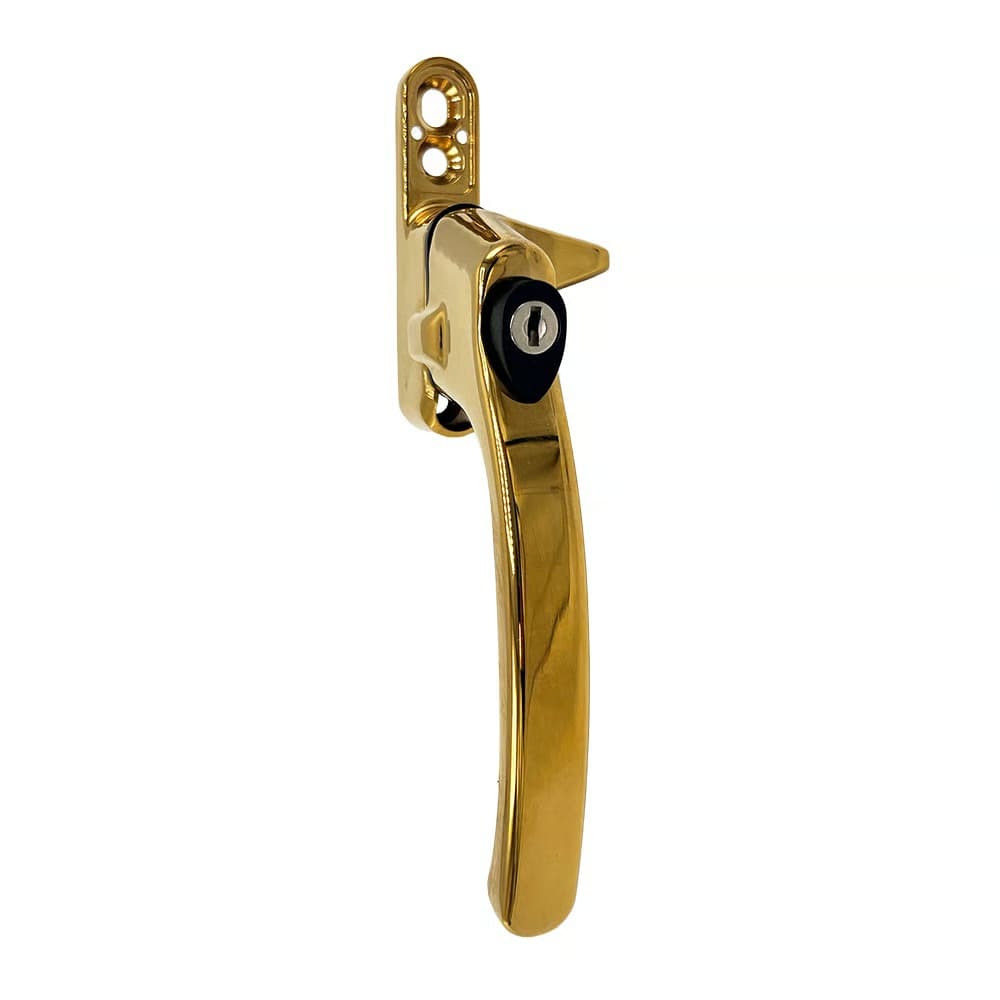
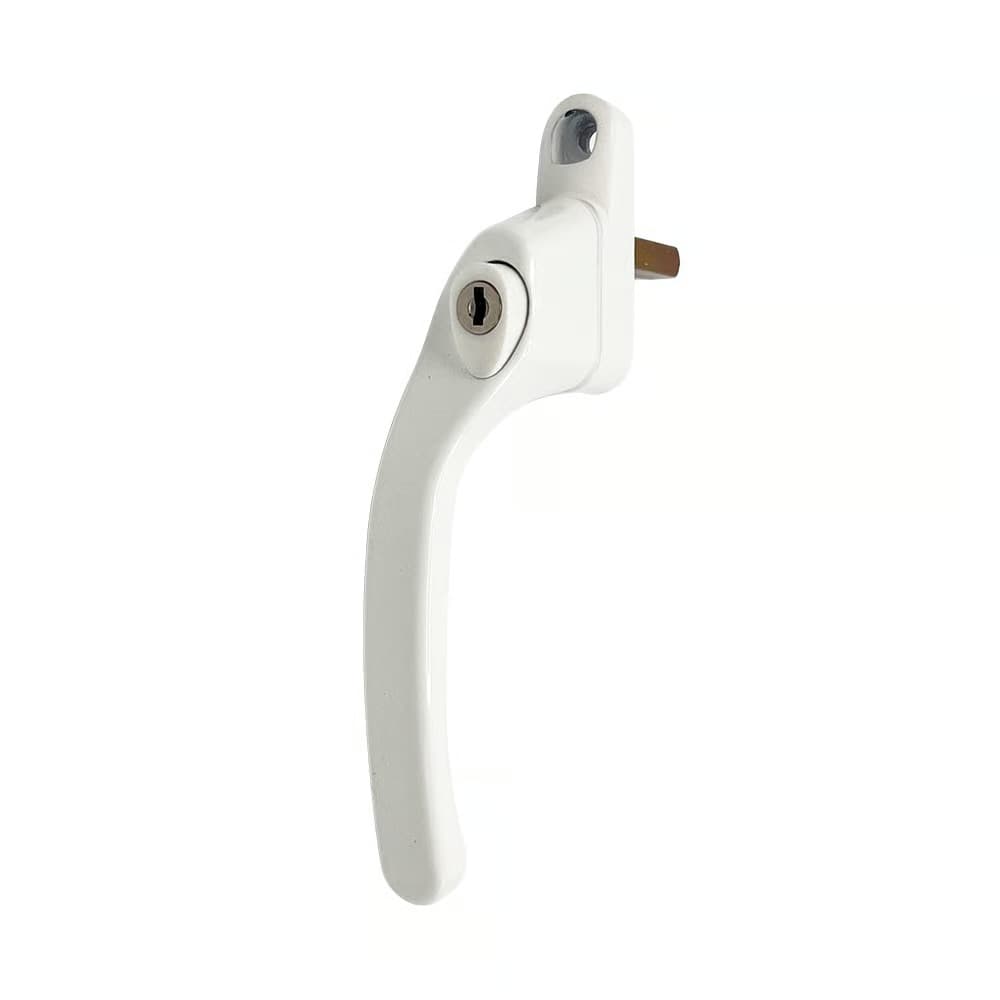
Two common types on uPVC windows are espag (espagnolette) handles and cockspur handles. Espag handles operate a multi-point locking rod inside the frame using a square spindle and are used on windows with espag locks. Cockspur handles are surface-mounted and use a catch that hooks over the frame when closed. Visual identification is essential because the replacement procedure and the fastenings differ.
- Espag: handle rotates 90 degrees to engage a flat locking rod; handle base usually sits flush with the window sash.
- Cockspur: handle rotates 180 degrees and the metal hook or latch is visible when closed.
Tools and materials
Common tools for both types:
- Posidriv and flat-head screwdrivers
- Allen keys (for some handle sets)
- Tape measure or ruler
- Pencil or marker
- Replacement handle(s)
- Masking tape (optional to protect uPVC)
- Thread-lock (optional for a more secure fix)
How to replace an espag handle
1. Prepare and secure the window: Open the window slightly and place it on support or rest it in a partially open position to access the handle easily. Ensure the sash is stable. 2. Align handle to neutral position: Rotate the handle to the vertical or neutral position if necessary. Some handles have a small plastic cover hiding the fixing screws — prise or unscrew this cap. 3. Remove fixing screws: Unscrew the two visible screws securing the handle to the sash. Keep screws in a safe place; they may be required for the new handle. 4. Withdraw the handle: Gently pull the handle away from the sash. Note the orientation of the square spindle and any washers or sleeves used. Inspect the spindle for wear or damage. 5. Measure spindle length: Measure the protruding spindle length from the sash face to the end of the spindle. If the replacement handle includes an adjustable spindle or a selection of spindles, choose the correct length. 6. Fit the new handle: Slide the new handle over the spindle, ensuring correct alignment of any anti-rotation lugs or keys. If the handle is handed, fit it on the correct side (left or right) to match operation. 7. Secure and test: Refit the fixing screws without over-tightening to avoid compressing the uPVC. Test operation through full travel, engaging the espag rod into its locking points. Apply thread-lock to the screws if required for trades installations to reduce loosening.
Common issues: If the handle turns freely without moving the locking rod, the spindle may not be engaged — remove and check for a damaged or incorrect spindle. If the espag rod is worn, replacement of the locking mechanism may be required rather than just the handle.
How to replace a cockspur handle
1. Position sash for access: Cockspur handles are surface-mounted; open the window enough to access the back of the handle and the catch on the frame. 2. Remove the handle: Unscrew the two or three screws that fix the handle to the sash. Remove any cover plate first if present. 3. Note screw centres: Measure the distance between the centres of the screw holes. This measurement is crucial when selecting the replacement to ensure matching screw positions. 4. Remove the catch if replacing: If the catch plate on the frame is damaged, unscrew and remove it. Note its position relative to the sash edge. 5. Fit the replacement handle: Align the new handle with the pre-drilled screw holes and screw it in place. For traded installs, slightly tighten then operate to ensure correct alignment before fully securing. 6. Adjust the catch: If the new handle engages the catch too tightly or slips, reposition the catch plate by loosening screws and moving it slightly. Small adjustments often solve striking issues. 7. Test operation and security: Close the window and rotate the handle to the closed position, ensuring the cockspur hooks neatly over the frame catch and holds firmly.
Common issues: Misalignment between handle and catch is the most frequent cause of poor operation. Slight repositioning or using a thin shims under the catch can provide the necessary adjustment.
Maintenance and security considerations
- Replace handles at the first sign of wobble or stripped fixings to maintain window security.
- Use corrosion-resistant screws and apply a small smear of silicone or petroleum jelly to moving parts to keep operation smooth.
- For enhanced security on espag windows, choose handles with a key lock. Ensure key-operated handles are fitted with the correct handed model.
- For trade installations, confirm the new handle’s compliance with relevant building or fire escape requirements where applicable.
Final checks and handover
After replacement, operate the window through full opening and closing cycles several times to confirm consistent engagement and smooth action. Check the exterior frame for any gap or misalignment caused during the work. Provide the homeowner or client with basic care instructions: gentle operation, occasional lubrication and prompt reporting of any loosening.
For further reading on selecting the right handle and detailed component diagrams, consult the comprehensive Window Handles Guide.