How to Replace Window Handles for uPVC Windows: Spindle Length Guide
Replacing a uPVC window handle is a straightforward task when the correct spindle length and type are selected. This guide explains how to replace window h...
Replacing a uPVC window handle is a straightforward task when the correct spindle length and type are selected. This guide explains how to replace window handles for uPVC windows with clear, practical steps for homeowners and tradespeople, covering measurement, common spindle sizes, handle types and fitting tips to ensure a secure, long-lasting installation.
Common uPVC window handle types and spindles
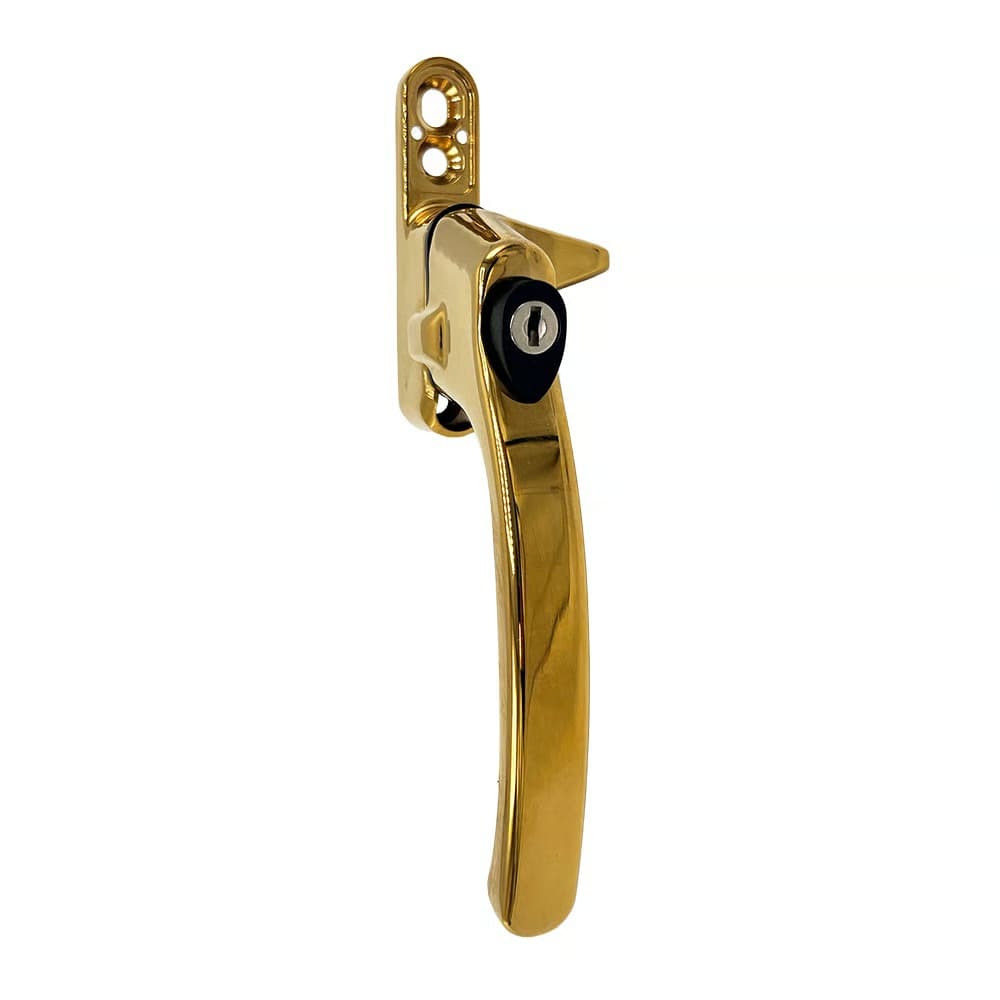
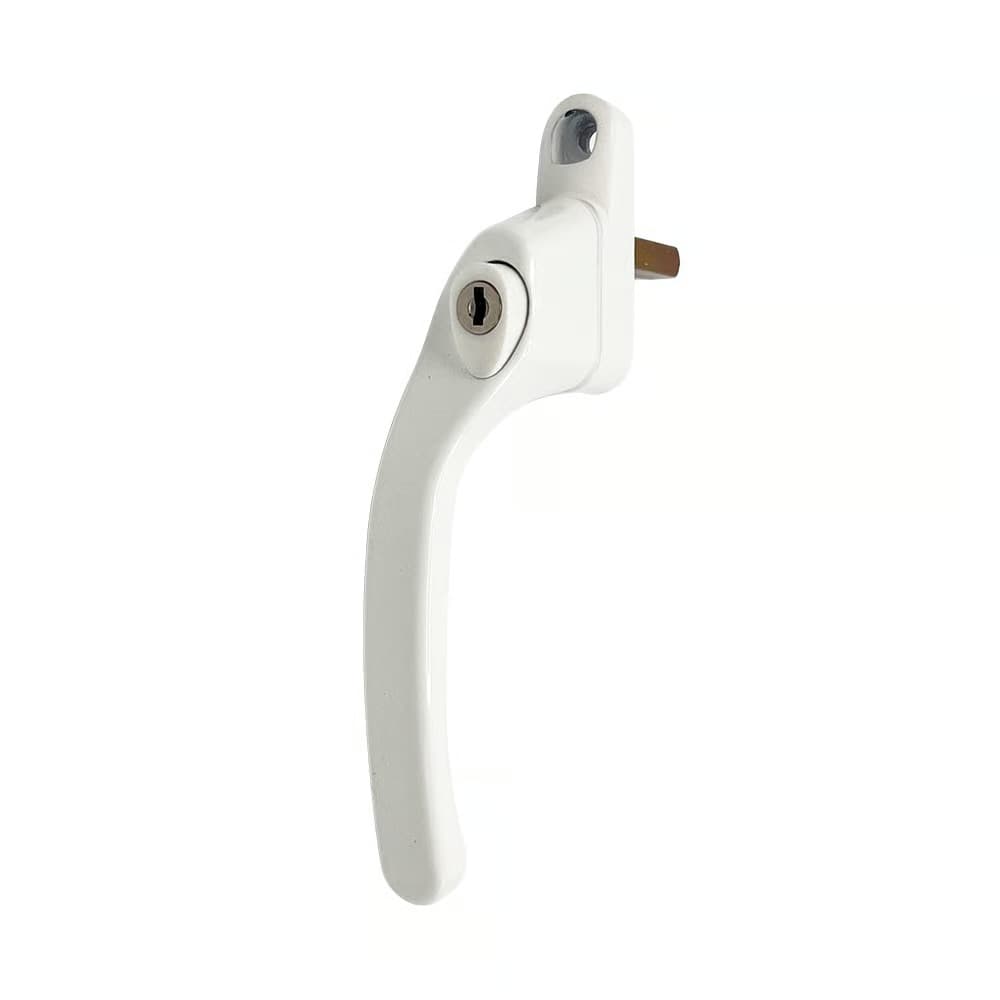
uPVC windows typically use either espagnolette (espag) handles, cockspur handles or locking handles with a square spindle. The most common spindle profile is a 7mm square, but 8mm or other sizes appear on older or specialised fittings. Typical spindle lengths are expressed as the projection from the inside face of the handle to the end of the spindle and are often 35mm, 45mm and 55mm, though some manufacturers use different nominal values. Espag handles usually connect to an internal locking mechanism rather than relying solely on the spindle length, so ensure compatibility when selecting replacements such as the TSS Cockspur Window Handles.
Tools and preparation
- Cross-head screwdriver
- Flat-head screwdriver or small punch
- Tape measure or vernier calipers
- Marker or pencil
- Replacement handle that matches spindle profile and length (see below)
- Clean cloth and light lubricant
How to measure spindle length correctly
Accurate measurement prevents ordering the wrong handle and avoids on-site improvisation.
1. Remove the existing handle: Unscrew the two visible screws on the rose or backplate and pull the handle away from the window. If the handle is locked, release the lock first using the key or unlocking procedure. 2. Measure the spindle projection: Measure from the inside face of the handle rose (the part that sat flush against the frame) to the end of the square spindle. This is the spindle projection required for a replacement handle that mounts directly to the window frame. 3. Double-check square size: Measure the width of the spindle across flats. The common size is 7mm square. Use vernier calipers where possible to confirm. 4. For handles with a longer recessed mounting or through-doors: Measure the overall distance from one face of the rose to the other if the handle passes through the frame, and note any central offset. Trades often record backset and frame thickness to select an appropriate spindle length or extension.
Common combinations:
- 35mm spindle projection — suitable for slim frames or thin roses.
- 45mm spindle projection — most common for standard uPVC window frames.
- 55mm+ — used where roses are deeper or when an adaptor/extension is needed.
Replacing different handle types
- Espag (espagnolette) handles: These often require a handled spindle that engages an internal espag mechanism. Order an espag-specific replacement such as the TSS Cockspur Window Handles that matches the spindle projection and fixing hole positions. Confirm whether the espag rod needs replacing or if the handle connects to a separate gearbox.
- Cockspur handles: These clamp onto the sash and do not always use a standard square spindle. For direct spindle cockspur types, verify the lock point and length. A common option is the TSS Cockspur Window Handle, suitable for many traditional uPVC casements.
- Locking handles: Some locking handles like the Yale Spartan-style range combine a square spindle with an integrated lock cylinder. Replace with a matching keyed option such as the TSS Offset UPVC Window Handles where keying and spindle dimensions align.
Fitting the replacement handle — step-by-step
1. Align the new handle: Slide the square spindle of the new handle into the mechanism, ensuring it engages fully. Confirm the handle orientation matches the opening direction. 2. Re-seat the rose/backplate: Push the rose flush to the frame; some roses have a locating lug that must align with the recess in the frame. 3. Fit screws loosely: Insert both screws and tighten them alternately to avoid binding. Use a screwdriver rather than a drill to avoid stripping threads. 4. Test operation: Operate the handle through its full travel to verify smooth movement and engagement of the locking points. For espag handles, operate the handle and check the espag rod moves the locking points smoothly. 5. Adjust if necessary: If the handle is stiff or doesn’t fully engage, check spindle depth and realign the mechanism. If the spindle is too short, a spindle extension may be required; if too long, some handles can be trimmed by a few millimetres, but confirm with the manufacturer first.
Troubleshooting and maintenance
- Loose handle after fitting: Remove screws, apply a small amount of thread-locker or use slightly longer screws that reach the frame’s backing for a firmer fit.
- Handle slop on spindle: Replace with a handle that has an internal clamp or grub screw for a positive grip, or consider a new spindle if worn.
- Stiff operation: Clean the locking keeps and espag mechanism; lubricate with a light silicone spray. Avoid oil-based lubricants that attract dust.
- Non-standard spindles: Older properties may have 8mm or round spindles. Adaptor sleeves and universal handles are available but confirm dimensions before purchasing.
Safety and compliance
Ensure replacement handles meet any relevant safety or secure-locking standards, particularly for ground-floor windows. Use locking handles where required and avoid makeshift fixes that compromise security.
Replacing window handles for uPVC windows is a manageable task with accurate measurements and the right replacement part. Keeping a record of spindle projection and square size alongside handle type streamlines future maintenance and reduces repeat trips.