How to Replace Window Handles for uPVC Windows: Step-by-Step
Replacing worn or broken handles on uPVC windows is a straightforward task that saves money and restores security and smooth operation. This guide explains...
Replacing worn or broken handles on uPVC windows is a straightforward task that saves money and restores security and smooth operation. This guide explains how to replace window handles for uPVC windows with clear, practical steps suitable for homeowners and tradespeople. It covers identification, tools, removal, fitting, adjustment and testing, plus tips for ensuring longevity.
Identify the handle type and obtain the correct replacement
Before starting, identify the handle style and spindle size. Common types include espagnolette (espag) handles used on casement windows and cockspur handles used on older or flush windows. For espag handles, check whether the handle is left- or right-handed. Measure the spindle — the square metal bar that connects the handle to the locking mechanism — and note screw hole centres (commonly 43mm, 77mm or 92mm).
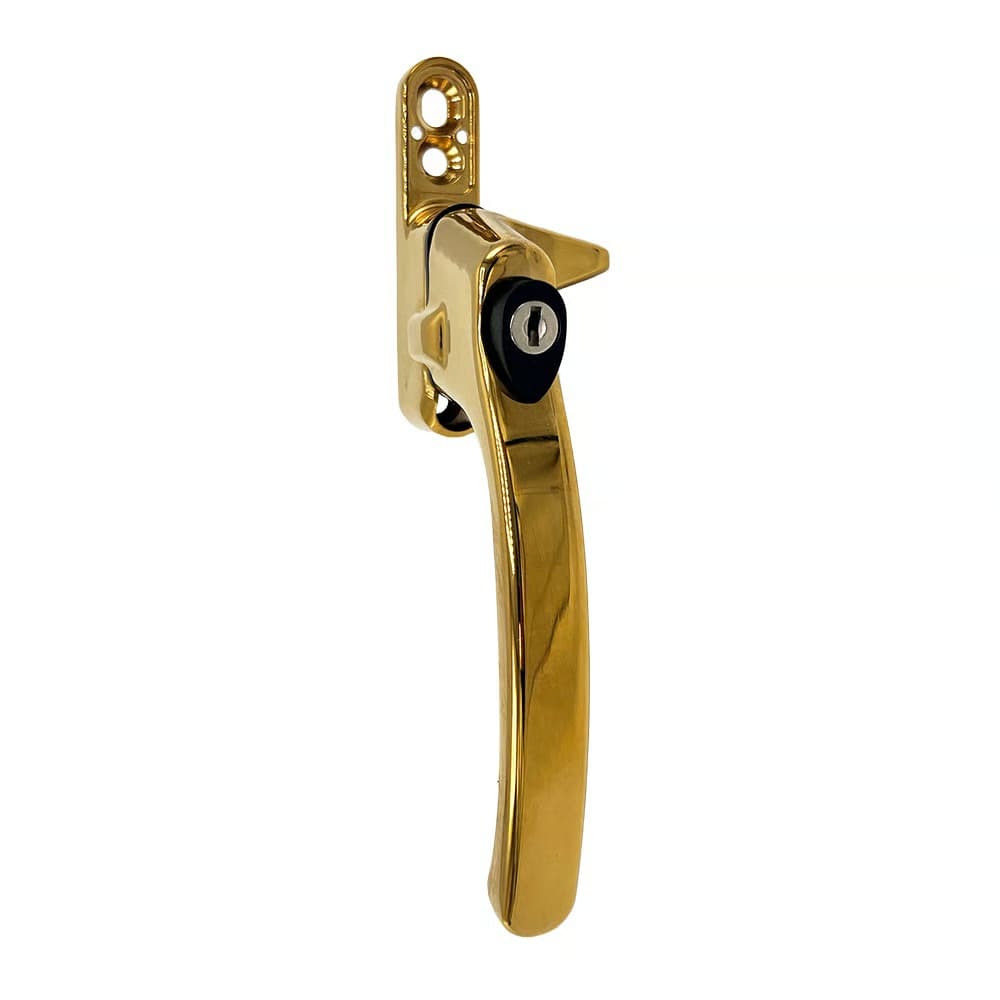
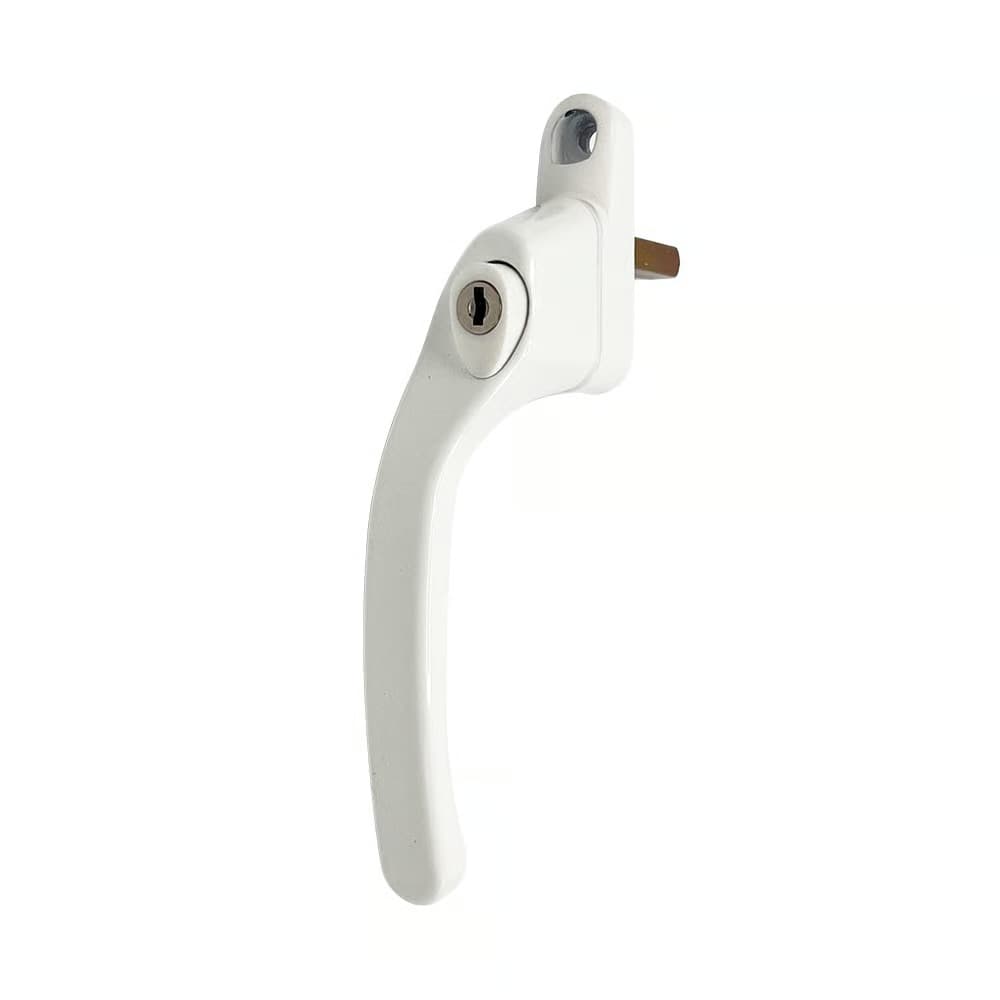
Select a matching replacement handle that fits the window’s mechanism and colour. Examples include the durable locking TSS Cockspur Window Handles, the traditional TSS Cockspur Window Handle and the compact locking TSS Offset UPVC Window Handles. Ensure the replacement has the same spindle size and screw spacing as the original.
Tools and materials required
- Phillips and flat-head screwdrivers
- Hex key set (allen keys) or Torx driver if needed
- Tape measure or vernier caliper
- Replacement handle
- Masking tape and marker (for alignment)
- WD-40 or light lubricant
- Rag and cleaning brush
- Anti-seize compound (optional for exposed screws)
Prepare the window and working area
Open the window and secure it in the fully open position. Place a protective mat or towel under the working area to catch screws and protect sill surfaces. Use masking tape to mark the existing handle position relative to the frame — this helps with alignment during reinstallation.
If the existing handle is stiff, apply a little lubricant to the spindle and mechanism before attempting removal. This eases extraction and reduces risk of twisting components.
Remove the old handle
1. Locate the fixing screws on the handle rose or base plate. These are typically on the face of the handle or hidden under a decorative cap. Carefully lever off any cap with a small flat-head screwdriver. 2. Unscrew the fixing screws. Support the handle with one hand while removing the final screw to prevent it dropping and damaging the frame. 3. Gently pull the handle away from the spindle. If the spindle is seized, apply penetrating oil to the joint and work the handle back and forth until it frees. Remove any remaining parts such as spindle pieces or spindle sleeves. 4. Inspect the mechanism and screw holes for wear, corrosion or damaged threads. Clean the area with a brush and rag, removing old lubricant and debris.
Fit the replacement handle
1. Confirm the replacement spindle and screw hole alignment match the prepared aperture. If the replacement handle includes an adjustable or reversible spindle, set it to the correct length and orientation. 2. Insert the spindle into the square hole in the window’s locking mechanism. Ensure it engages fully and is square to the mechanism. 3. Position the handle rose or backplate over the spindle, aligning the screw holes with the pre-drilled holes in the frame. Maintain the handle in the same orientation as marked earlier. 4. Hand-tighten the fixing screws first to ensure correct alignment. Tighten evenly to avoid distorting the rose or frame. Use a screwdriver rather than a power driver to prevent over-torquing and stripping the screws. 5. Replace any decorative caps.
Adjust and test operation
Operate the handle through its full range to confirm smooth movement and that the locking mechanism engages properly. For espag handles this means rotating from closed to open and back, watching the espagnolette strip engage the keep. For cockspur handles check that the hook or cam makes full contact with the frame.
If the handle feels loose or binds, remove it and check spindle alignment. A small misalignment can cause uneven wear or failure. If the locking function does not operate smoothly, apply a little silicone-based lubricant to the mechanism and actuate the handle several times.
Secure and finish
Apply a small amount of anti-seize compound to the exposed screw heads if they are accessible from outside, particularly in coastal locations where corrosion is rapid. Wipe away any excess lubricant and ensure the frame is clean.
Document the replacement: note the handle type, spindle size and screw spacing for future reference. This speeds any subsequent maintenance or replacements.
Troubleshooting common problems
- Handle spins on the spindle without engaging the mechanism: The spindle may be rounded or the internal mechanism worn. Replace the spindle or espag strip if necessary.
- Handle is stiff to operate: Check for misalignment, debris in the keep, or lack of lubrication. Lubricate and adjust keep position if required.
- Replacement handle doesn’t fit screw holes: Small variations in hole centres occur between manufacturers. Use a handle with the correct screw spacing or fit a spacer plate rather than forcing new holes in the frame.
- Condensation or paint preventing removal: Carefully score around painted-over roses to avoid tearing uPVC. Apply gentle heat from a hairdryer to soften paint if needed.
Maintenance tips to extend handle life
- Clean and lubricate moving parts twice a year with a silicone spray. Avoid heavy oils that attract grit.
- Tighten handle screws during routine checks to prevent wobble and wear.
- Replace handles in pairs or sets on the same elevation to maintain a uniform appearance and ensure matching operation.
- Keep records of part numbers and measurements for quick future replacements.