How to Replace Window Handles for uPVC Windows: Upgrading to Locking Handles
Replacing window handles on uPVC windows is a straightforward upgrade that improves security, operation and appearance. This guide explains how to replace...
Replacing window handles on uPVC windows is a straightforward upgrade that improves security, operation and appearance. This guide explains how to replace window handles for uPVC windows, with step-by-step instructions, tools required, measurement tips and advice on upgrading to locking handles. It is written for homeowners and tradespeople seeking practical, actionable guidance to complete the job efficiently and safely.
Why replace uPVC window handles and why choose locking handles
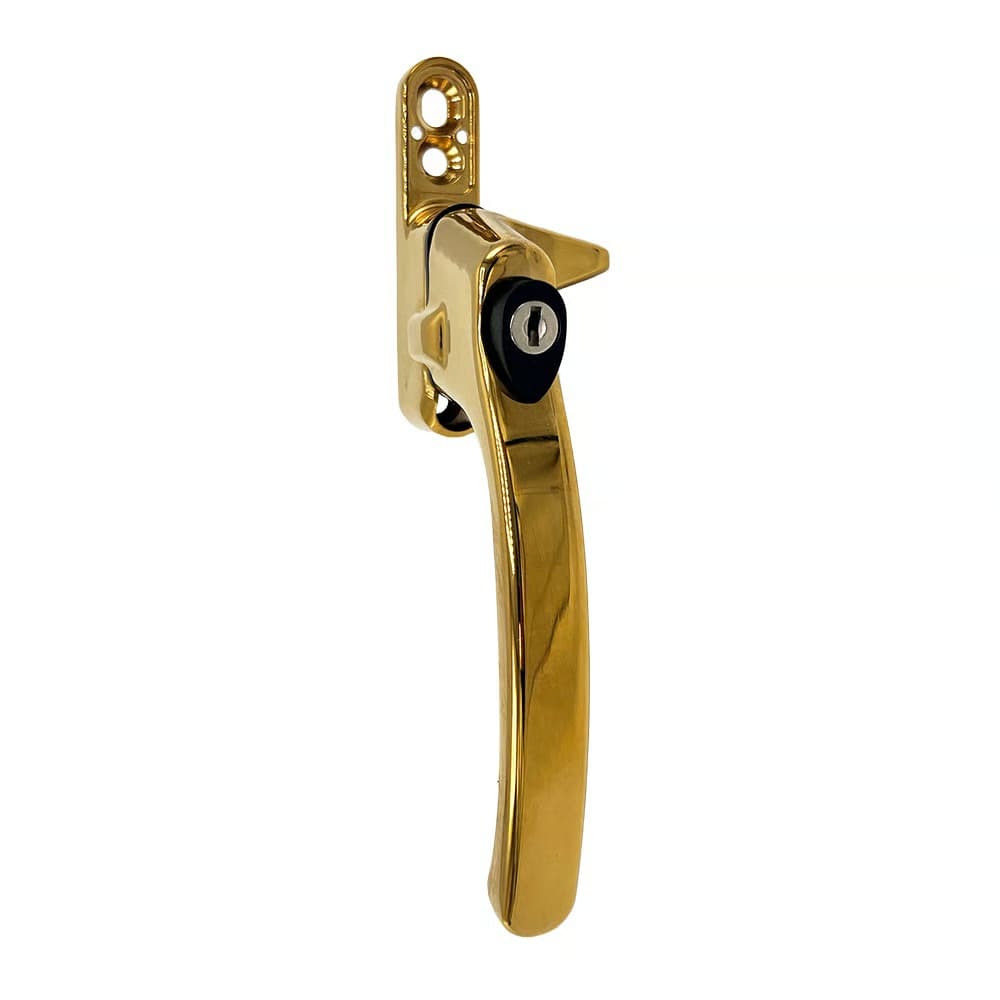
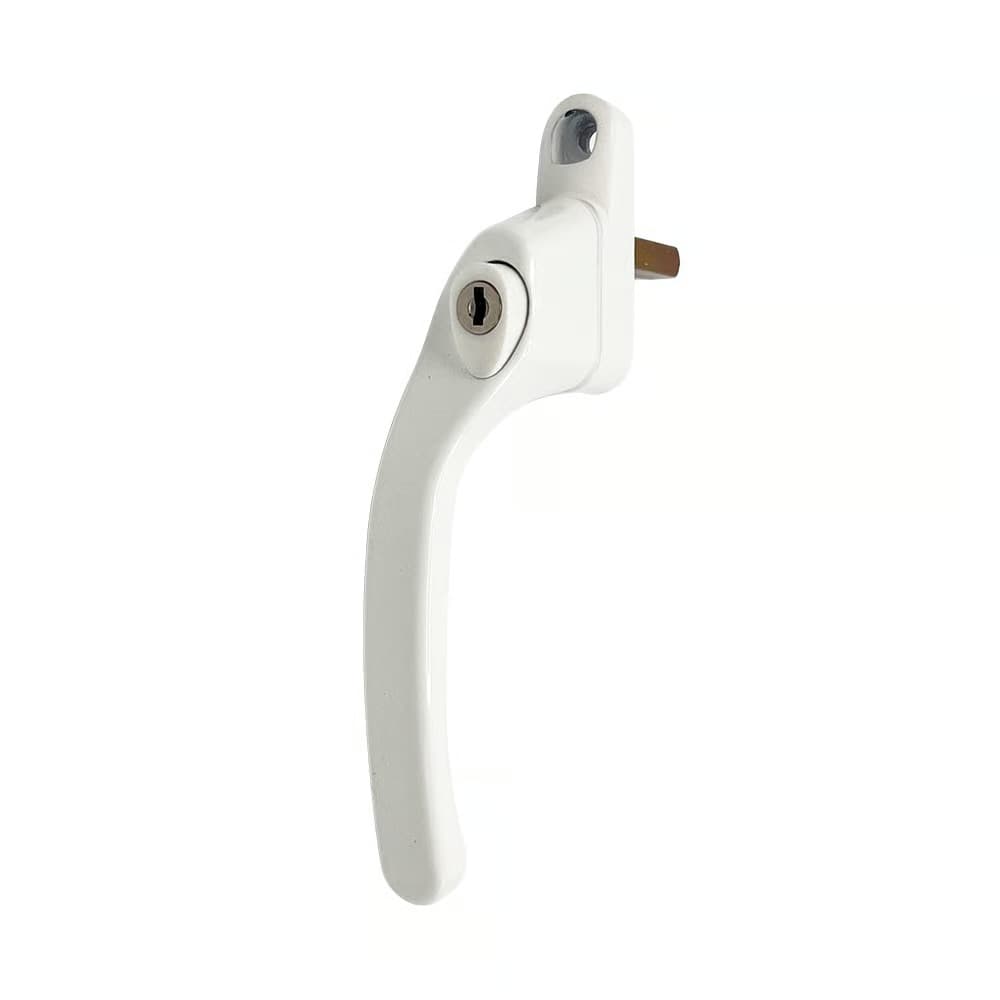
Handles wear out, become stiff or corrode over time. Replacing them restores smooth operation and can significantly improve security. Locking handles add a mechanical lock at the handle spindle, preventing the handle from being turned and the window from being opened from outside. This is particularly important for ground-floor rooms, flats or when additional child safety is required.Popular handle styles include cockspur handles for older frames, espagnolette (espag) handles used with espagnolette locking gear, and lever handles with integral locks. Examples suitable for common applications include the TSS Cockspur Window Handle for traditional sash-style frames and the TSS Cockspur Window Handles and TSS Offset UPVC Window Handles for modern locking requirements.
Tools and materials required
- Replacement handle (confirm correct type: cockspur, espag, or lever/locking)
- Screwdriver (Pozi or flat depending on screw head)
- Allen keys (if grub screws are present)
- Tape measure or ruler
- Small spirit level (optional)
- Cleaning cloth
- Replacement screws (use stainless steel for longevity)
- Masking tape (to protect frames while working)
- Safety glasses and gloves
Identifying the correct handle type and measurements
Correct identification prevents mistakes. Determine whether the existing handle is:- Cockspur: a projecting nose that engages directly onto the window frame.
- Espag (espagnolette): operates a metal locking rod inside the sash via a square spindle.
- Lever/locking handle: typically has a lock cylinder or button and a square spindle.
Preparing the window for replacement
1. Open the window so the sash is stable and accessible. 2. Use masking tape on the frame around the handle to prevent accidental scratching. 3. Wear safety glasses and gloves when removing old fittings.Removing the old handle
1. Locate and remove any visible rose screws with the correct screwdriver. 2. If the handle has a grub screw under the lever, undo it with an Allen key while supporting the lever to prevent damage to the spindle. 3. Pull the handle straight off the spindle. For cockspur handles, ease the handle away from the frame; some may require a small twist to release. 4. Inspect the spindle and frame for damage or excessive wear. Replace the spindle if bent or severely corroded.Fitting a new handle — standard espag/locking handle
1. Confirm the spindle length matches the new handle and sash thickness. 2. Slide the new handle onto the spindle until the rose sits flush with the frame. 3. Align the screw holes and insert stainless steel screws. Tighten evenly to avoid distorting the rose. 4. For locking handles, check the lock cylinder or key operation. With the window closed, operate the handle to ensure it engages the espagnolette or locking rods smoothly. If necessary, adjust the strike plates on the frame so the locking points align correctly. 5. If the handle has a removable grub screw, secure it last to lock the lever in place.Fitting a cockspur handle
1. Position the cockspur handle over the fixing points and engage the spur onto the frame. 2. Insert screws and tighten, ensuring the handle sits parallel to the sash. 3. Check that the spur contacts the frame securely without impeding the window closure.Adjustments and aligning locking points
Replacing a handle can reveal misaligned striker plates or locking keepers. Minor adjustments restore smooth locking:- Loosen the keeper screws slightly, reposition and retighten.
- For espagnolette systems, if the handle is hard to turn or does not lock fully, check the locking rod and gearbox for debris or wear.
- Apply a light silicone spray to moving parts for smoother operation; avoid thick greases that attract dirt.
Security and finishing checks
- Verify the new locking handle secures the sash firmly and the key or lock button operates without excessive force.
- Check all screws are tightened, but do not overtighten to avoid cracking the plastic rose.
- Ensure the handle returns to neutral position and does not catch when opening or closing the window.
- For multi-point locking systems, cycle the handle through full operation 5–10 times to settle components.
Common issues and solutions
- Handle wobbles after fitting: tighten screws and ensure the spindle engages fully; replace any stripped screws.
- Handle does not lock: confirm matching lock keeps are fitted and align; adjust keepers as required.
- Square spindle too short: order a longer spindle or use extension adapters where available; confirm compatibility.
When to call a professional
Tradespeople will manage most installations, but professional assistance is sensible when:- The espagnolette gear is damaged or seized.
- The window sash is warped or heavy and difficult to support.
- There is uncertainty about aligning multi-point locking systems.