Locking Double Glazing Window Handles: Security Explained
Double glazing window handles are a critical but sometimes overlooked component of a secure home. The right handle not only operates the window smoothly bu...
Double glazing window handles are a critical but sometimes overlooked component of a secure home. The right handle not only operates the window smoothly but also forms part of the locking mechanism that keeps intruders out, prevents accidental opening and improves weather performance. This guide explains common locking mechanisms, how to choose the correct handle for security, and practical steps for fitting and maintaining robust window hardware suitable for homeowners and tradespeople.
Types of locking window handles
Understanding common handle types clarifies compatibility and security levels.
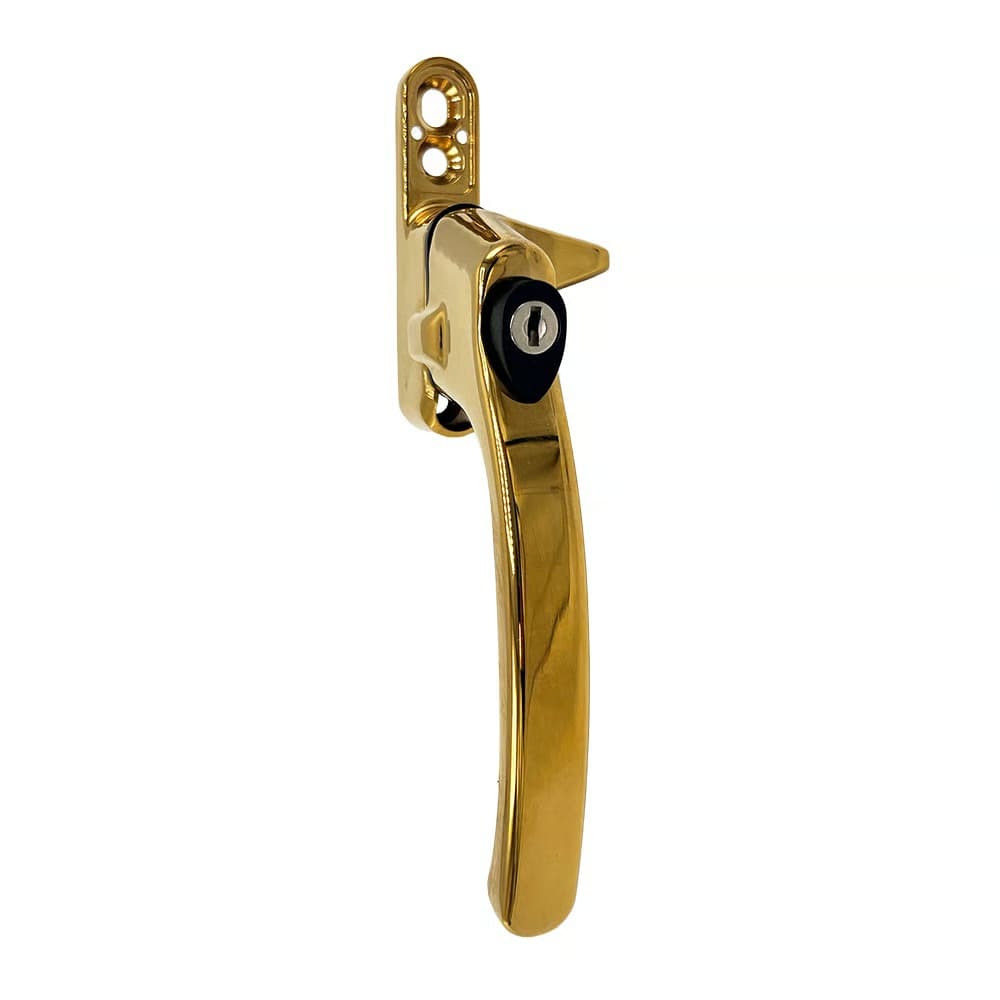
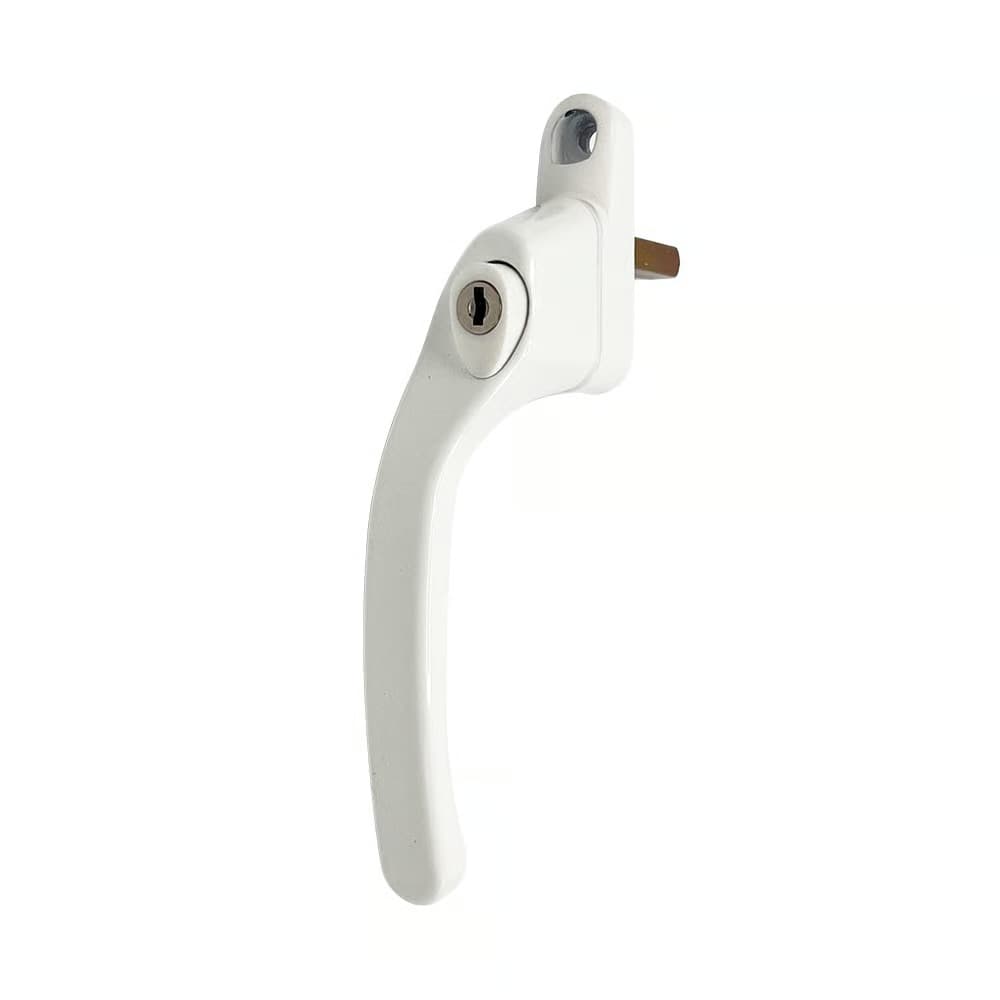
- Espag (espagnolette) handles: These connect to a multi-point espagnolette lock inside the frame via a spindle and operate a locking rod or gearbox. They are common on modern uPVC and aluminium windows and often incorporate a key lock for added security. The TSS Cockspur Window Handles is an example of a purpose-made locking espag handle designed for high-use domestic and commercial installations.
- Cockspur handles: Found on older timber and some metal windows, cockspur handles hook over a catch on the frame and are surface-mounted. They are simple and economical but can be upgraded with options that offer improved security if the original catch is reinforced. The TSS Cockspur Window Handle demonstrates a modern, robust cockspur design suitable for retrofit situations.
- Cranked and tilt-and-turn handles: Tilt-and-turn systems have specialised locking mechanisms built into the hardware, usually operated by a handle that controls the gearing. These handles often require a specific profile and secure locking when in the closed position. The TSS Offset UPVC Window Handles is a versatile option frequently used across a range of window profiles.
Security features to prioritise
When selecting double glazing window handles, focus on features that enhance resistance to forced entry.
- Key locking: A handle with an integrated cylinder lock prevents unauthorised opening from the outside when the window is closed. Ensure the lock is easy to operate for occupants but robust against picking and drilling.
- Anti-snap and anti-tamper designs: Look for handles and associated locks manufactured to resist snapping, drilling or levering. Reinforced collars and hardened spindles reduce the risk of break-in methods that target the handle.
- Multi-point engagement compatibility: Handles that operate multi-point espagnolette systems secure the sash at multiple points — head, cill and mid-rail — reducing leverage attacks.
- Secured-by-Design and standards: Prefer products tested to British or European standards and those that contribute to Secured by Design or PAS 24 compliant installations. Tradespeople should confirm the complete window set (handle plus locking gear and frame) meets the required standard for high-security installations.
Choosing the right handle for installation
Make practical selections that match the window system and intended use.
- Match the spindle size and length: Measure the spindle (square drive) length from the handle backplate to the face of the window frame. Choose a handle with the appropriate spindle length to ensure full engagement without binding.
- Consider handedness and reach: For tilt-and-turn or cranked windows, select a handle with correct cranking or offset so the handle clears the reveal and operates without obstruction.
- Material and finish: Aluminium, zinc alloy and stainless steel handles offer different strength and corrosion resistance. For coastal properties choose corrosion-resistant finishes.
- User needs: For homes with young children, consider key-locking handles or child-safety options that restrict movement when locked. For commercial properties, choose durable, high-cycle rated handles.
Fitting and retrofit tips for tradespeople and DIYers
Correct fitting ensures maximum security and longevity.
- Inspect existing locking gear: Before replacing a handle, check the condition of the espagnolette mechanism, keep plates and strikes. Replacing only the handle may not address worn locking points.
- Use correct fixings: Always use the manufacturer-recommended screws and adhesives. Short or undersized screws reduce pull-out resistance. For uPVC frames, use 25–35 mm long self-tapping screws where appropriate; for timber, use longer wood screws to reach solid timber.
- Align keeps and strikes: A misaligned keep causes poor engagement, stress on the handle and premature wear. Slightly loosen mounting screws, close the window and re-tighten while maintaining correct compression and alignment.
- Seal and weatherproof: Ensure that changes to hardware do not compromise the frame seal. Where necessary, replace worn gaskets and check that drainage paths are clear.
- Test after fitting: Operate the locking cycle several times, verify multi-point locks engage at each point, and test the handle lock with the key. Confirm no binding at any position of the window.
Maintenance to maintain security
Simple maintenance extends life and keeps the locking action reliable.
- Lubricate moving parts annually with a light spray dry lubricant on the gearbox, keeps and locking points. Avoid heavy greases that attract dirt.
- Tighten loose screws periodically and replace corroded fasteners. Loose fixings reduce security and can accelerate wear.
- Replace damaged handles promptly. A compromised handle can provide a vulnerable weak point.
- Inspect seals and drainage regularly to prevent moisture ingress that can corrode locking mechanisms.
Upgrades and compliance for enhanced protection
When improving security, consider both handle upgrades and whole-system improvements.
- Upgrade handle to a key-locking model where none exists, but evaluate the espagnolette and keeps to ensure they’re not the limiting factor.
- Replace single-point hook or cockspur systems with a multi-point espagnolette system for substantially improved resistance to forced entry.
- For full compliance with insurance or regulatory requirements, upgrade to hardware and windows certified to PAS 24 or Secured by Design recommendations.
- Keep documentation: For warranty and insurance purposes, record product specifications and certificates when new hardware is fitted.
Summary
Double glazing window handles play a vital role in the security and operation of windows. Choosing the correct type, ensuring compatibility with locking mechanisms, fitting with correct fixings and performing routine maintenance are practical steps that protect property and occupants. Tradespeople should assess the complete locking system, not just the handle, before recommending upgrades; homeowners benefit by selecting proven, secure products and maintaining them regularly.