Locking Espag Window Handles: Security Options
Locking espag window handles play a central role in modern window security, combining mechanical strength with user-friendly operation. For homeowners and...
Locking espag window handles play a central role in modern window security, combining mechanical strength with user-friendly operation. For homeowners and tradespeople specifying hardware for new installs, replacements or upgrades, knowing the available security options and how to fit them correctly can make a significant difference to safety and compliance with building standards.
What makes an espag handle secure
Espag window handles operate multi-point espagnolette locking systems commonly found on uPVC and aluminium windows. Security depends on three main factors: the handle mechanism, the spindle and screw fixings, and the compatibility with the espagnolette gearbox.
High-quality locking handles feature reinforced internal mechanisms, anti-snap and anti-drill attributes, and robust materials such as zinc alloy or hardened steel components. An ideal handle will engage smoothly into the gearbox without excessive play, and the locking position should be clear and positive.
Specify handles that include PAS 24 or Secured by Design features where possible. For trade installations, confirm the handle’s handedness and spindle length before ordering to avoid returns and on-site delays.
Types of locking espag handles
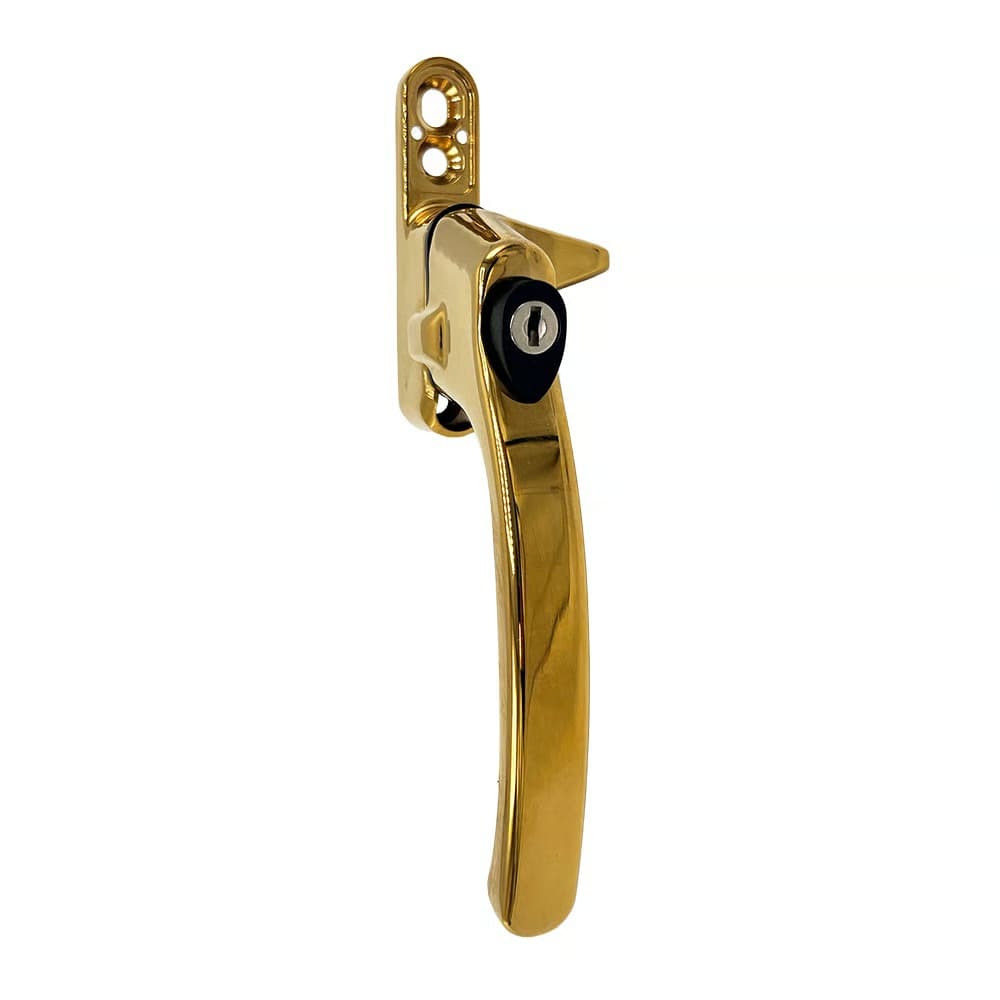
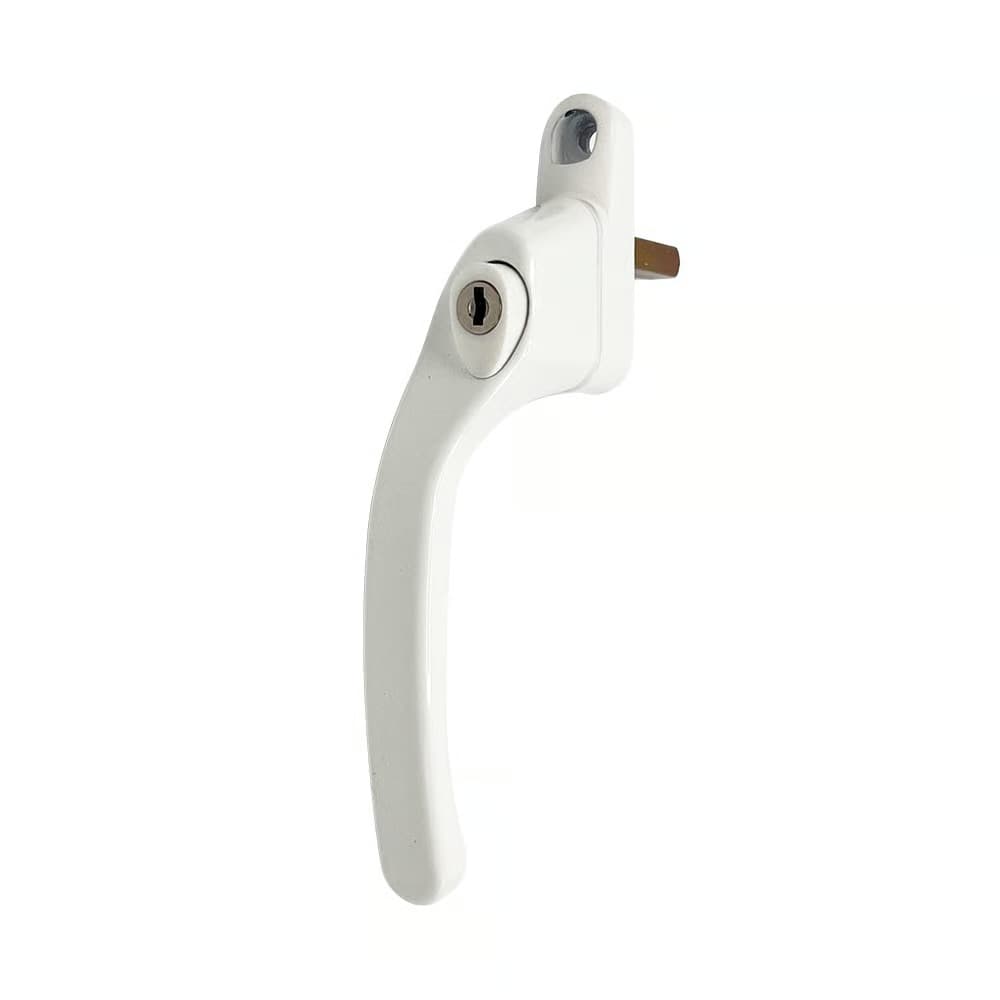
- Lever-locking handles: Common on domestic windows, these provide a lever that locks down into a catch. Many models include a cylinder or key locking option for additional security.
- Key-locking handles: Offer the highest level of user-controlled security, useful on ground-floor windows or properties where windows may be left unattended.
- Push-button handles: Lock with a simple button mechanism and are convenient for frequent operation while still offering a reasonable security improvement over non-locking handles.
Practical installation and maintenance advice
Correct installation and routine maintenance are equally important for ensuring security performance.
- Check spindle and gearbox compatibility: Measure the spindle length required by the lock case. A spindle that is too long or short causes poor engagement and can damage the mechanism.
- Use the correct screws: Self-tapping screws supplied with handles are often adequate for PVCu frames. For hardwood or aluminium, use the appropriate wood or metal screws and ensure they fully engage into the frame without distorting the handle rose.
- Handing and orientation: Confirm whether the handle is left- or right-handed. Fitting the wrong handed handle can leave the locking cam misaligned and ineffectual.
- Torque and alignment: Tighten mounting screws evenly to prevent twisting the handle rose. Avoid overtightening which can bind the mechanism.
- Lubrication: Apply a light spray of silicone lubricant to the gearbox and handle mechanism annually. Do not use heavy grease which attracts dust and impedes movement.
- Check for wear and play: Regularly inspect handles for wobble or excessive play. Replace any handle showing degraded performance to maintain security.
Upgrading existing windows — cost-effective choices
When enhancing security without full window replacement, consider the following cost-effective approaches:
- Replace non-locking handles with key-locking espag handles to deter opportunist intruders.
- Fit anti-lift security devices and upgraded keeps to complement the handle and espagnolette.
- Add internal restrictors where ventilation is required but security must be maintained.
- Replace worn locking cams within the gearbox to restore full engagement rather than replacing the whole unit.
Compliance, testing and best practice
For new installations, ensure hardware meets relevant British Standards and insurance requirements. Tradespeople should record product details and serial numbers on job sheets to assist with warranty and compliance checks.
- Perform a functional check after installation: Open and close the window multiple times and engage the lock to ensure smooth operation.
- Keep alignment within 1–2 mm: Misaligned keeps can place undue strain on the handle and gearbox, reducing lifespan.
- Fit handles to meet insurance stipulations: Many insurance policies require key-locking handles or additional window locks on ground-floor openings.
Choosing the right handle for different properties
- Ground-floor and vulnerable access points: Prioritise key-locking handles and Secured by Design components.
- Upper-floor windows and rented properties: Consider push-button handles to simplify tenant use while providing baseline security.
- Period properties: Cockspur handles can maintain aesthetic consistency while offering improved security over decade-old fittings.
Final considerations
Selecting the right locking espag window handles combines product choice, accurate site measurement and correct installation. Prioritise well-engineered handles, verify compatibility with existing gearboxes and follow a simple maintenance regime to preserve security performance over time. For further guidance on window handle types, specifications and selection criteria, consult the Window Handles Guide.