Locking Espagnolette Window Handles: Security Options
Locking espagnolette window handles provide a simple, effective way to improve window security without compromising usability or appearance. This article e...
Locking espagnolette window handles provide a simple, effective way to improve window security without compromising usability or appearance. This article explains common locking types, compatibility considerations, and practical installation and maintenance advice for homeowners and tradespeople specifying or fitting espagnolette window handles.
What are espagnolette window handles?
Espagnolette window handles operate a rod (espagnolette) that runs vertically in the window frame to engage keeps at top and bottom. When turned, the handle drives the rod to lock multiple points simultaneously. Locking variants add a secure mechanism, typically a key, cylinder or thumbturn, to prevent unauthorised opening from inside or outside.
Common locking options
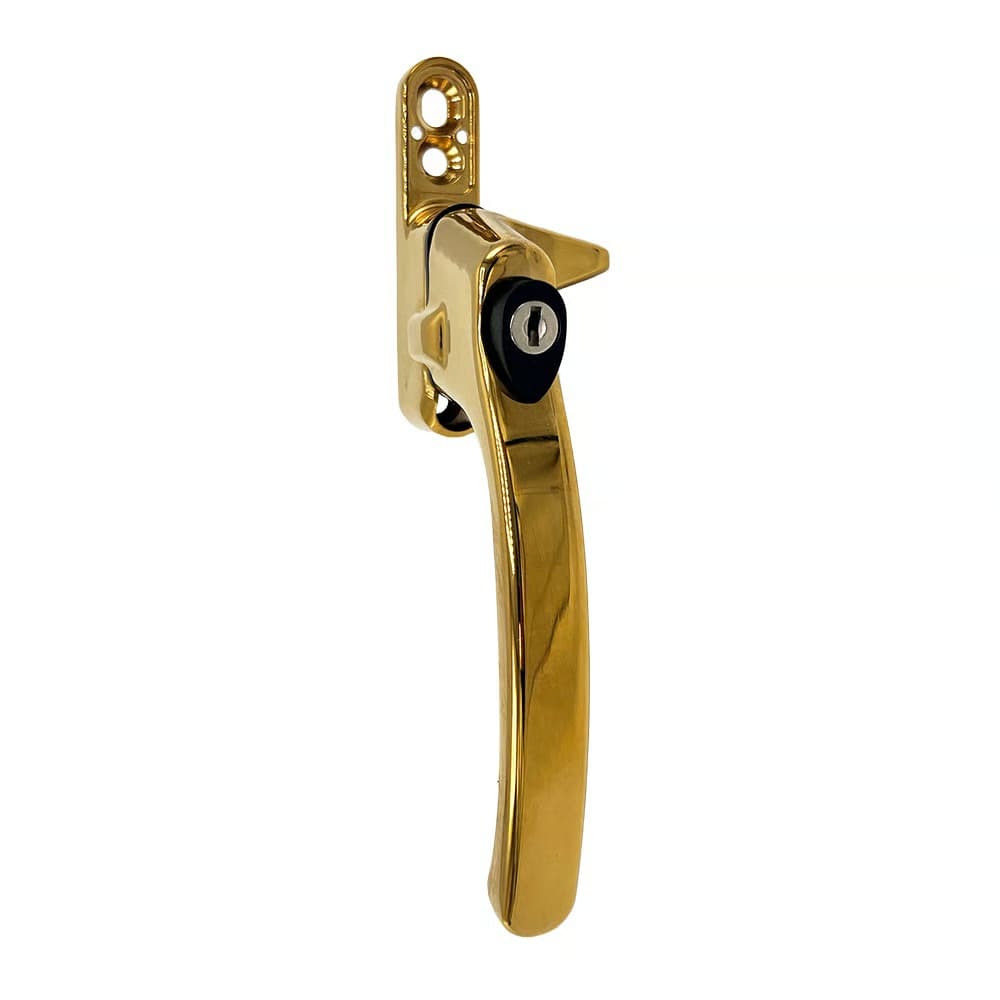
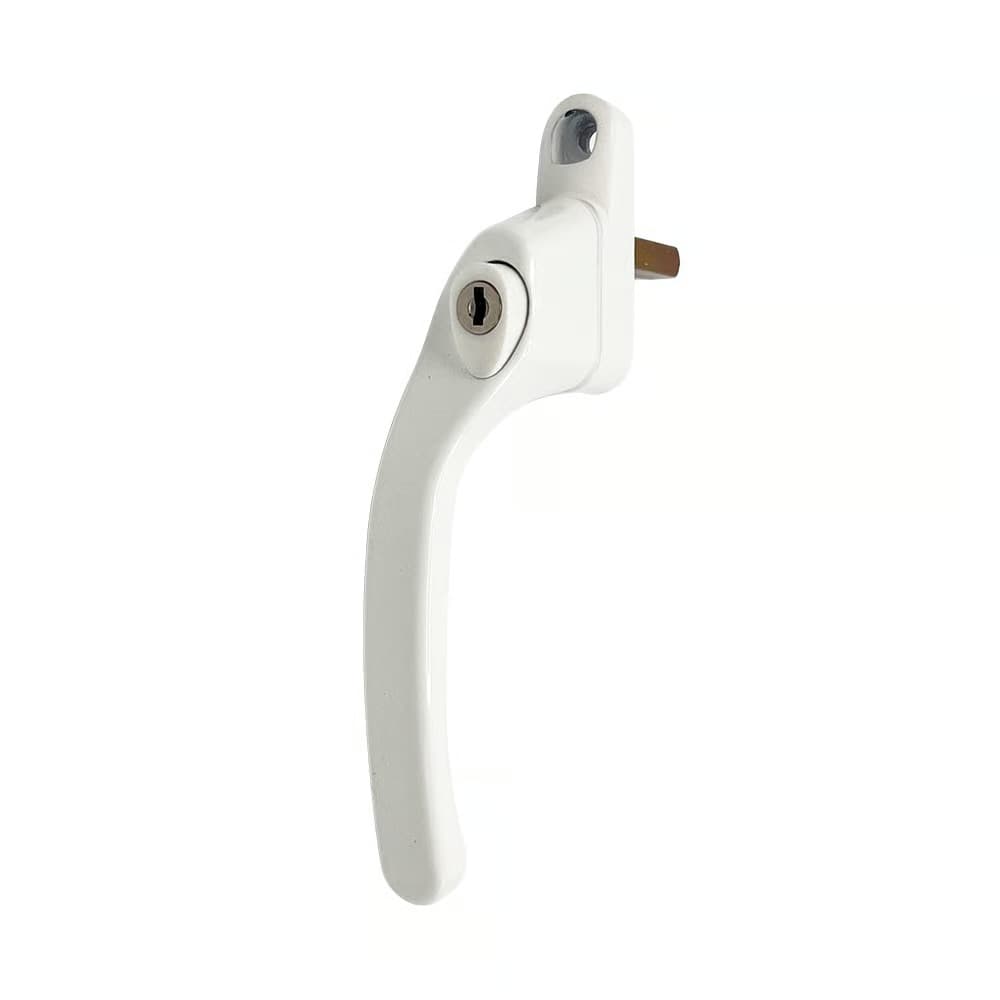
- Key-locking espag handles: These use an integral key cylinder. They are simple and secure for outward-opening casement windows and are well suited for ground-floor rooms or where additional outward security is required. A reliable example is the TSS Cockspur Window Handles, which combines a robust barrel lock with corrosion-resistant materials.
- Push-button or latch-lock handles: These allow the handle to be locked in place with a spring-loaded button. They are convenient for quick locking but are less secure than keyed cylinders and may not meet all insurance requirements for high-risk locations.
- Thumbturn handles: These have a thumb-operated turn on the inside and either a fixed cylinder or emergency access option on the outside. Ideal where keyless operation is preferred but control is still required, such as on first-floor bedrooms where quick egress is necessary.
- Cockspur handles: A traditional option for timber windows which can be combined with a locking mechanism. The TSS Cockspur Window Handle represents a durable choice for refurbishments, especially where period aesthetics are important.
- Multi-point locking espag systems: These integrate the espagnolette rod with a multi-point lock mechanism, providing enhanced security by engaging additional hooks or bolts. They are commonly specified on PVCu and aluminium windows where higher security standards are required.
Specifying the correct handle
Security performance depends on matching the handle to the locking gear and window type. Key considerations include:
- Spindle length and diameter: Measure the existing spindle or check the hardware specification to ensure compatibility. Many espag handles use a 7mm D-shaped spindle, but variations exist. Incorrect spindle sizing leads to poor engagement and early failure.
- Handle centres and screw positions: Confirm screw hole centres and backset so the replacement handle aligns with pre-existing holes and keeps. For new installations, follow manufacturer templates to ensure the espagnolette rod engages keeps accurately.
- Handing and orientation: Determine left or right-hand operation by observing the hinge side on outward-opening windows. Some locking handles are reversible, but specifying the correct handing simplifies installation.
- Cylinder type and keying: Choose cylinders that meet BS standards and consider keyed alike sets for multiple windows or keyed different for added security. Where fire-escape routes exist, thumbturns or split cell cylinders with emergency access may be required.
- Material and finish: Stainless steel or corrosion-resistant coatings are essential in coastal areas. For heritage properties, choose finishes that match period fittings without sacrificing modern security.
Installation best practice (practical steps)
1. Prepare the window: Ensure the espagnolette rod and keeps are free from damage. Replace bent rods and worn keeps before fitting a new handle, as handles amplify wear at engagement points.
2. Measure accurately: Record spindle length, distance between screw holes, and backset. Use these measurements to select the correct handle or adjust the spindle where possible.
3. Fit the handle: Engage the spindle fully in the mechanism, align the handle plate, and use manufacturer-recommended screw lengths. Avoid over-tightening screws into soft frames which can distort the handle alignment.
4. Adjust keeps: The locking points must engage cleanly. Adjust keeps incrementally until the handle operates smoothly with firm engagement at each lock point. Misaligned keeps lead to leverage on the handle and premature failure.
5. Test locking and operation: Cycle the handle and lock several times. Ensure that keys turn freely and that emergency egress requirements are met. For keyed handles, test spare keys and check key removal positions.
6. Record and label: For trade work, document the handle type, cylinder code and keys supplied. Label keys for homeowners to prevent key loss and simplify future servicing.
Security considerations and compliance
- Insurance and standards: Many insurers require locks to meet BS 3621 or similar standards for external doors; for windows, check policy wording. Choose handles and cylinders with recognised security ratings where required.
- Child safety and escape: Ensure locking does not impede escape in an emergency. Keyless thumbturns on escape routes help balance security and safety. Replace high-security cylinders with break-secure designs that resist snapping and drilling.
- Supplementary measures: Reinforce weak frames with metal keeps, add window restrictors for upstairs windows, and use laminated glass where forced entry risk is higher. Espagnolette handles are one element of a layered security approach.
Maintenance for longevity
- Lubrication: Use a graphite or dry lubricant on cylinders and light machine oil on the espagnolette rod annually. Avoid heavy oils that attract dust.
- Inspection: Check screws, keeps and the rod for wear every six months. Replace components showing deformation or corrosion rather than compensating with tighter screws.
- Key management: Keep spare keys secure. Re-key or replace cylinders if keys are lost or after tenant changes in rented properties.
Choosing the right product
Select a handle that matches the window profile, security needs and user requirements. For robust, modern security, consider premium locking espagnolette handles with anti-snap cylinders such as the TSS Offset UPVC Window Handles, which combine recognised brand security with practical features for everyday use.
Espagnolette window handles are an effective, unobtrusive upgrade to window security when specified and fitted correctly. Tradespeople benefit from following measuring and installation best practice, while homeowners achieve peace of mind by selecting appropriate locking types and maintaining mechanisms regularly.