Locking uPVC Window Handles: Buyer’s Guide
Locking uPVC window handles are a small but vital component of any secure and functional window system. For homeowners and tradespeople, choosing the right...
Locking uPVC window handles are a small but vital component of any secure and functional window system. For homeowners and tradespeople, choosing the right handle affects security, durability and ease of use. This guide explains the main types, practical selection criteria, installation tips and maintenance advice to ensure windows remain safe, compliant and long-lasting.
Types of locking uPVC window handles
Understanding the common types helps match a handle to a window's locking mechanism and user needs.
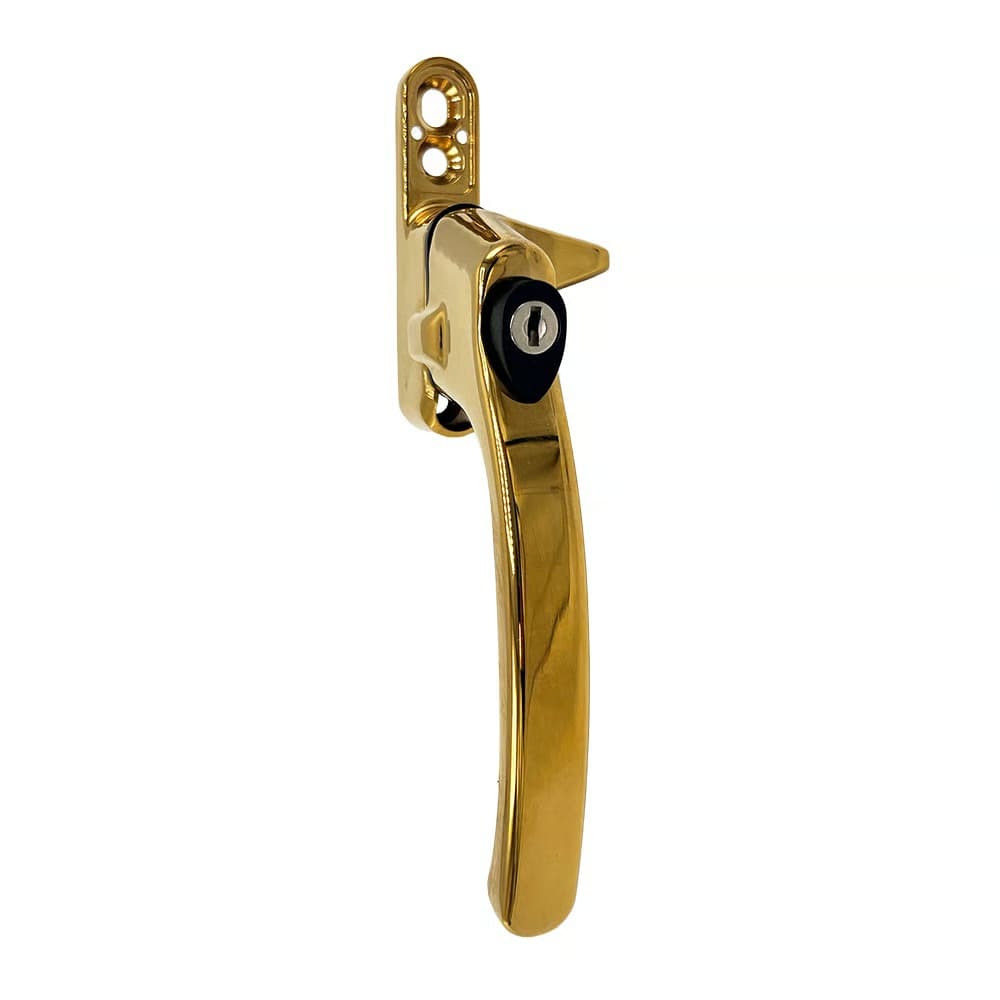
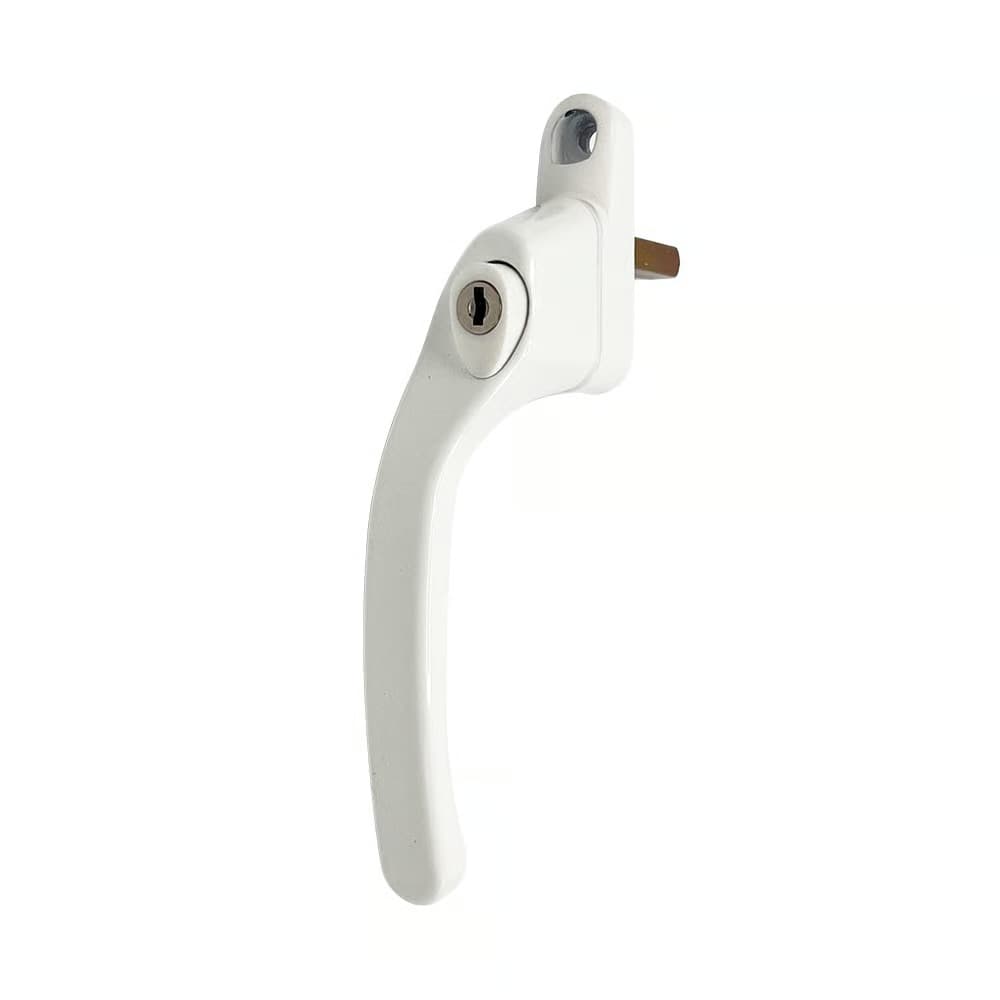
- Espag/espagnolette handles: These operate a multi-point gearbox and are common on modern casement uPVC windows. They usually incorporate a deadbolt or shootbolt and can be locked with a key or push-button mechanism. An example is the TSS Cockspur Window Handles, designed for robust security and smooth operation.
- Cockspur handles: Found on older or simpler casement windows, cockspur handles hook over the frame to lock. They are cost-effective for lightweight applications and can include an integral lock for added security, such as the TSS Cockspur Window Handle.
- Lever/locking handles with cylinder: Some handles incorporate a euro-profile cylinder for key locking, suitable for paired or tilt-and-turn units. The TSS Offset UPVC Window Handles is an example combining proven brand reliability with a keyed option.
Security considerations
Selecting locking uPVC window handles involves assessing both the handle’s own security features and how it integrates into the whole window.
- Locking method: Key locks offer positive security but can be slow for frequent use. Push-button locks are quick and child-safe but may be less resistant to forced entry than keyed options. Consider keyed handles for ground-floor rooms or accessible locations.
- Fixing quality: Ensure handles have robust spindles and secure screw fixings. Short or soft screws compromise strength; use 40–45 mm stainless steel screws into solid material where possible.
- Cylinder security: Where a cylinder is present, choose anti-snap, anti-pick and anti-bump rated cylinders to meet modern security standards.
- Compatibility with window lock hardware: Handles should match the locking points and locking direction (clockwise or anticlockwise) of the existing mechanism. Replacing a handle without checking gearbox orientation can render the window inoperable.
Practical selection criteria for tradespeople and homeowners
- Measure before ordering: Record spindle length, screw centres and handle to frame clearance. Spindle lengths commonly range from 35 mm to 45 mm; choose a length that fully engages the gearbox without causing binding.
- Handing and operation direction: Note whether the handle turns clockwise or anticlockwise to lock; order the correct handed version to avoid awkward operation or machining of the sash.
- Finish and durability: White or brown coatings are standard for uPVC. For coastal environments, choose chrome-plated or corrosion-resistant finishes and stainless fixings to resist salt spray.
- Child safety and ventilation: Push-button locks allow safe night ventilation while preventing children from opening windows fully. For rooms with children, select a handle with a secondary ventilation position or restrictor.
- Aesthetic match: For multiple windows, match handle style across the property for a uniform appearance.
Installation and fitting tips
Correct installation ensures function and security and reduces callbacks.
- Remove old handle carefully: Note the gearbox type and locking direction. Photograph the existing set-up for reference.
- Use the correct spindle: Confirm the spindle size and shape (square is common) and ensure it fully engages the gearbox. A loose spindle is a frequent cause of play and premature wear.
- Tighten fixings to firm, not crushing, torque: Over-tightening can warp the handle or damage the locking mechanism; under-tightening allows movement and wear.
- Align keeps and striker plates: When closing the window, the latch should engage smoothly without force. Misaligned keeps create stress and can damage the handle or gearbox over time.
- Test locking and multiple cycles: Operate the handle through many open/close cycles while dry-running the lock, then with the window closed and latched, to ensure consistent engagement.
- Replace worn parts, not just handles: If the gearbox, striker plates or keeps show wear, replace or repair them to avoid recurring faults.
Maintenance for longevity
Regular upkeep prolongs life and maintains security.
- Lubrication: Apply a dry PTFE spray or light machine oil to the gearbox pivot points and locks annually. Avoid heavy grease that can attract dust.
- Clean and inspect: Wipe handles and surrounding seals regularly. Check for corrosion, loose fixings and play in the spindle.
- Tighten screws periodically: Screws can loosen over time; check and retighten to maintain a secure fixing.
- Replace damaged handles promptly: Cracked or bent handles compromise security and can damage the gearbox.
- Keep keys together: For keyed handles, maintain a key register for the property to avoid replacing cylinders unnecessarily.
Compliance and standards
Locking uPVC window handles should support relevant security standards and building regulations.
- PAS 24 and Secured by Design: While handles alone do not guarantee compliance, choosing proven hardware and matching it to quality multi-point locking mechanisms helps meet certification requirements.
- Building regs and ventilation: Some applications may require restrictors or specific opening limits for fire escape routes and ventilation; ensure handle selection allows required operation.
Summary
Choosing the right locking uPVC window handles requires attention to type, security features, compatibility and installation quality. Measuring accurately, selecting corrosion-resistant finishes for exposed locations and fitting handles with correct fixings and spindles reduce failures and enhance lifespan. Regular maintenance and prompt replacement of worn parts keep windows secure and operating smoothly. For further guidance and wider handle options, consult the full Window Handles Guide.