Locking uPVC Window Handles: Child Safety Tips
Locking uPVC window handles are an unobtrusive but essential element in home safety, particularly where young children are present. This article outlines p...
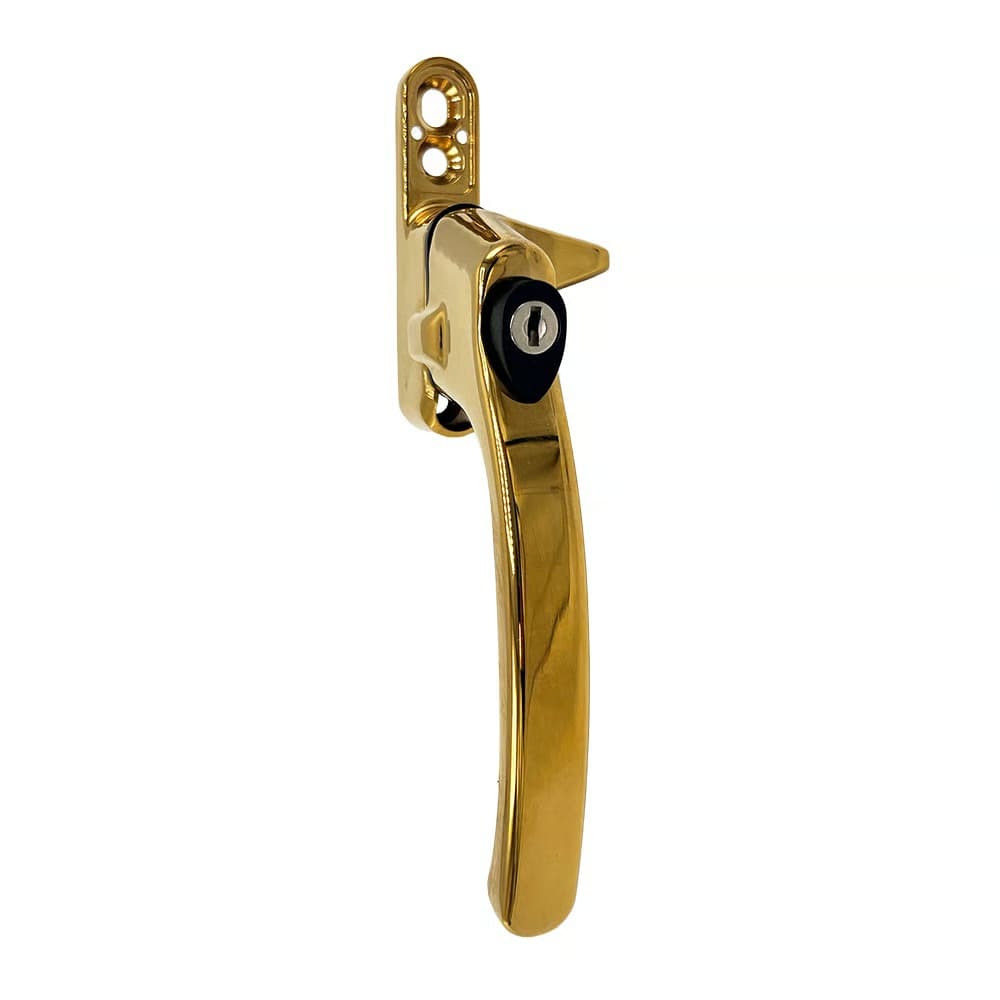
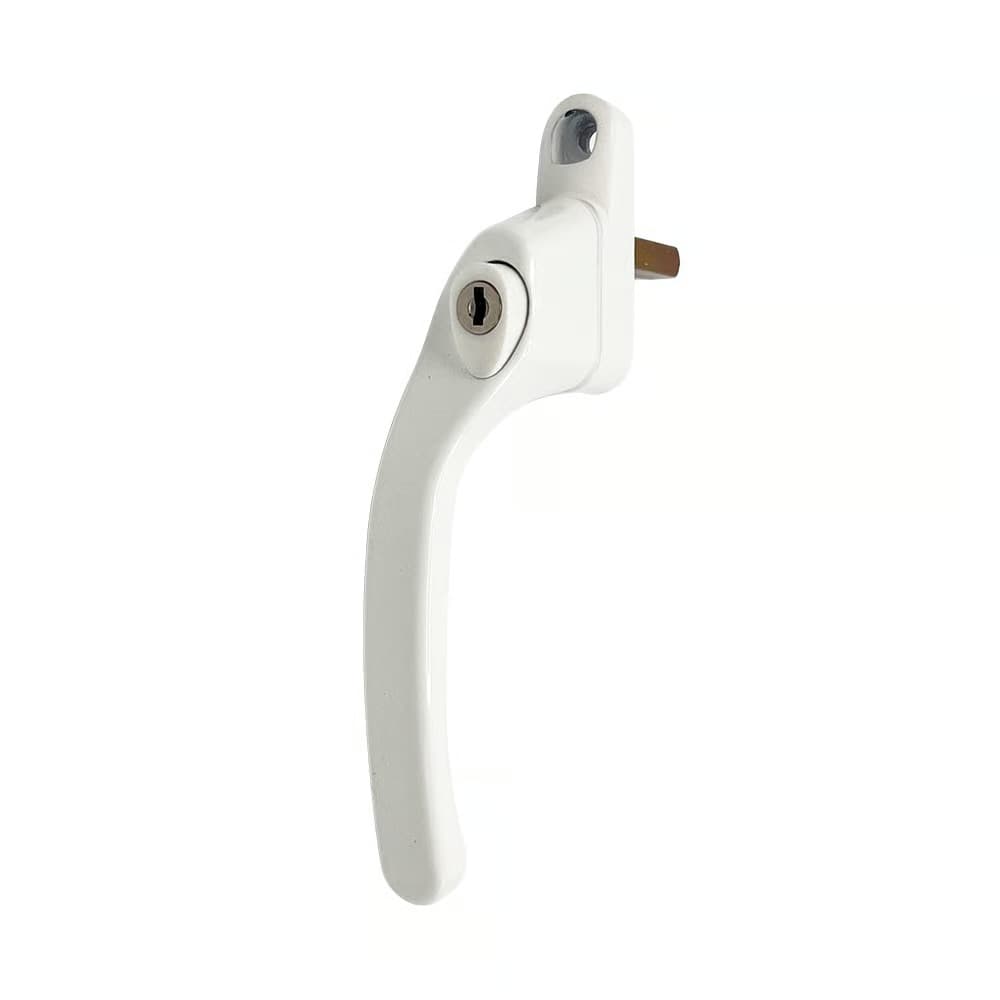
Locking uPVC window handles are an unobtrusive but essential element in home safety, particularly where young children are present. This article outlines practical steps for selecting, fitting and using locking handles to reduce the risk of falls, unauthorised opening and accidental entrapment. Advice is aimed at homeowners and tradespeople seeking effective, code-compliant solutions that balance ease of use with reliable security.
Why locking handles matter for child safety
Standard uPVC window handles can be opened easily by curious toddlers, putting them at risk from falls or from leaning out of low windows. Fitted locking uPVC window handles prevent unauthorised operation while allowing adults to open windows quickly in an emergency. For loft conversions, ground-floor windows or properties with accessible flat roofs, locking handles provide an additional layer of safety without the need for full childproof window guards.
Choosing the right locking uPVC window handles
Selection should be governed by function, compatibility and quality.
- Function: Decide whether a sash-locking or handle-locking mechanism suits the window type. Espag handles (espagnolette) are widely used on casement and tilt-and-turn windows for multi-point locking, whereas cockspur handles are common on simpler casement windows.
- Compatibility: Check whether the handle fits the existing spindle size and hole centres. Standard spindles are typically 7mm or 8mm square; some manufacturers use different centres that require adaptor packs.
- Material and finish: Zinc alloy or aluminium handles with corrosion-resistant finishes are preferable in coastal locations. Ensure the finish matches the door and window furniture for a professional appearance.
- Certification: Look for handles that meet relevant British standards for child safety and security, and consider British Standards Kitemark where applicable.
Practical installation tips for tradespeople
Correct installation ensures the locking mechanism functions reliably.
- Prepare the spindle: Verify spindle length and cut to fit if necessary so the handle sits flush without binding.
- Align carefully: Ensure the handle and keep plates are aligned; misalignment can prevent full lock engagement. Use a feeler gauge to check uniform gaps.
- Torque appropriately: Do not over-tighten fixings. Over-torqued screws can strip plastic frames or deform the handle, hindering operation.
- Use threadlocker where appropriate: Apply a medium-strength threadlocker on fixing screws in high-vibration locations, such as top-floor windows exposed to wind.
- Test multiple cycles: Operate the handle through its full range at least 50 times after fitting and then again after 24 hours to ensure no binding occurs as components bed in.
- Seal around the handle base: A discreet bead of compatible silicone prevents water ingress into the frame, which protects the locking mechanism and avoids internal frame swelling.
Best practice for positioning and usage at home
Correct placement and sensible usage routines enhance child safety.
- Fit handles out of reach: Place key-operated handles higher on the window frame where possible, or use locking handles with removable keys to prevent children accessing them.
- Use restrictors in addition: Combine locking handles with window restrictors that limit opening width (typically 100mm–150mm) for rooms where falls are likely. Locking handles alone may not prevent deliberate opening if a child obtains the key.
- Establish routines: Store keys in a consistent, secure location and ensure household members know how to operate the lock quickly.
- Use different keys for different rooms: Colour-coded keys reduce confusion during emergencies and simplify life for carers and grandparents.
- Educate occupants: Brief adults and older children on the purpose of locking handles and when to disengage them (for ventilation, fire escape, etc.).
Maintenance to keep locks effective
A simple maintenance schedule prolongs life and maintains safety.
- Lubricate moving parts: Use a dry PTFE or graphite lubricant on the mechanism annually. Avoid oil-based lubricants that attract dust and gum up the lock.
- Inspect seals and fixings: Check handles and surrounding seals every six months. Tighten loose screws and replace cracked or corroded fixings immediately.
- Replace worn components: If the handle shows signs of play, excessive wobble or difficulty engaging the lock, replace it rather than attempting prolonged repair.
- Keep keys functional: Replace bent or worn keys and consider spare keys for larger households. Avoid using force if a key is stiff; instead, inspect for misalignment.
Balancing child safety with emergency access
Safe egress is crucial. Locking handles that require a key can impede escape during a fire if keys are not immediately accessible. Mitigating steps include:
- Keep a commonly agreed key location known to all adults and emergency responders.
- Fit thumb-turn or quick-release options on upstairs windows used for emergency escape routes while securing ground-floor or high-risk openings with keyed locks.
- Consider trade-off solutions such as lockable handles on windows not designated for emergency escape and unrestricted handles with restrictors where escape is required.
Summary
Locking uPVC window handles are an effective, unobtrusive measure to enhance child safety when selected, installed and maintained correctly. Tradespeople should verify compatibility, align components accurately and document installations for homeowners. Homeowners should combine locking handles with restrictors where necessary, adopt key-management routines and perform regular maintenance to ensure long-term safety and functionality. Careful planning maintains both child safety and safe emergency egress without compromising the aesthetic or practical use of windows.