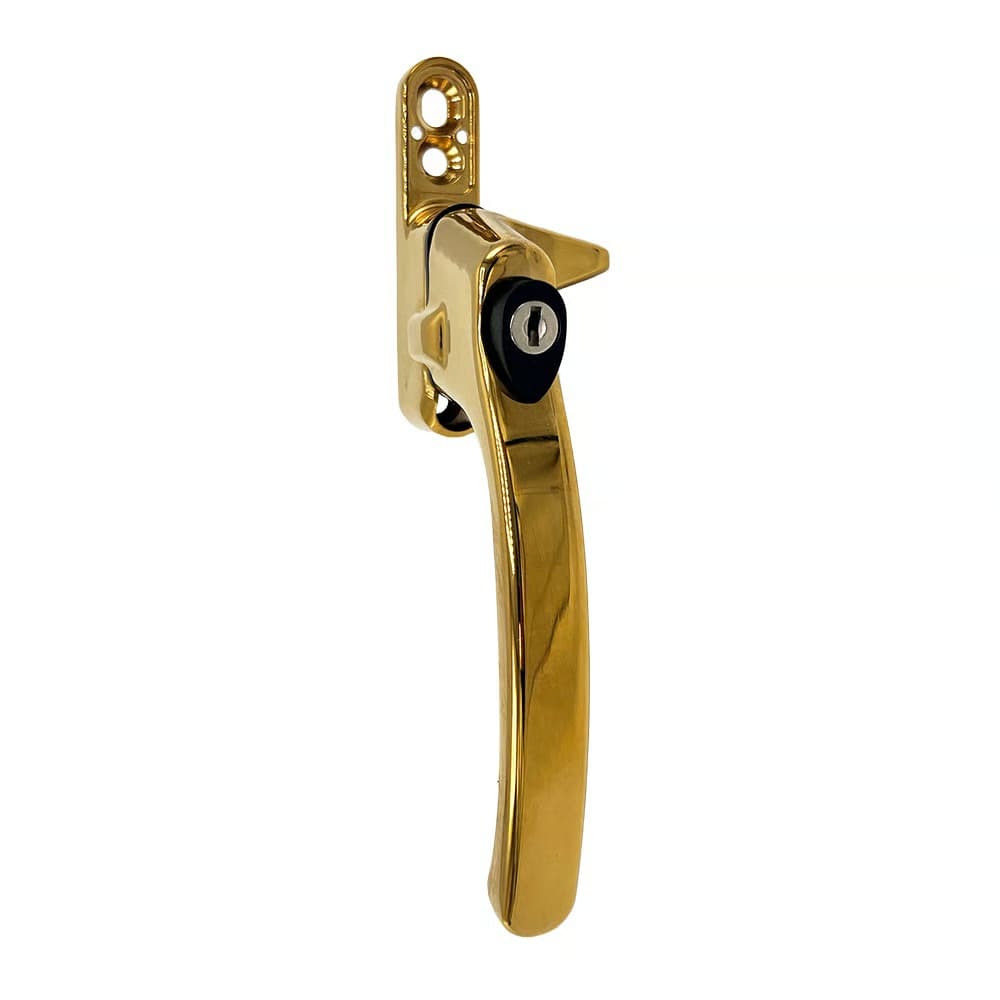
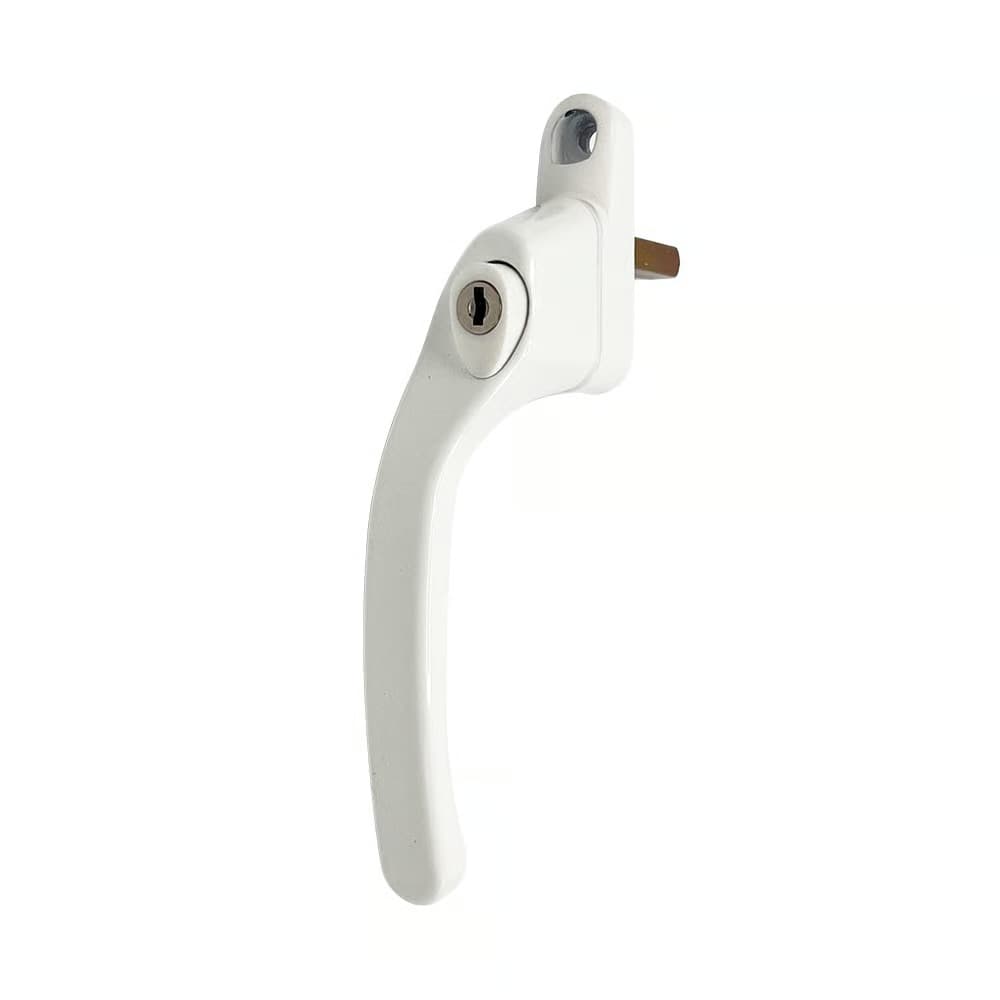
Locking uPVC Window Handles: Common Problems and Fixes
Locking uPVC window handles are an important element of modern window security and operation, yet they are often overlooked until they fail. This guide exp...
Locking uPVC window handles are an important element of modern window security and operation, yet they are often overlooked until they fail. This guide explains common problems with locking upvc window handles, how to diagnose faults quickly, and practical fixes that homeowners and tradespeople can implement on-site to restore security and smooth operation.
Typical construction and common failure points
Locking uPVC window handles combine the handle mechanism with an internal spindle and gearbox that operate the espagnolette or cockspur locking hardware. Typical failure points are:
- Worn internal gearbox or stripped splines on the spindle
- Loose or sheared fixings causing wobble or misalignment
- Damaged locking cam or grub screw failure
- Corrosion or dirt buildup that stops smooth movement
Diagnosing the problem: quick checks
A systematic approach narrows the fault rapidly:
- Visual inspection: Check for visible damage, missing grub screws, or a loose rose/cover plate.
- Operate the handle: Note whether the handle moves freely but the lock does not engage, or if the handle is stiff/hard to operate.
- Check spindle wear: Withdraw the handle to inspect the spindle for rounded or overly worn splines; a rounded spindle will slip in the gearbox.
- Test fixings: Tighten the through-fixings and set screws to rule out simple loosening.
- Examine the locking mechanism: For espagnolette systems, inspect the gearbox/cam inside the door edge; for cockspur hardware, look for missing or bent hooks.
Simple fixes that often restore function
Minor issues can usually be resolved on site with basic tools:
- Tighten and secure: Often the handle appears faulty due to loose screws. Use the correct-size screwdriver or Allen key to tighten rose screws and the spindle grub screw.
- Realign the strike plate: If the handle turns but the window does not lock, the strike keeps may be misaligned. Adjust strike plates or cut back minimal frame material to allow full engagement.
- Clean and lubricate: Dirt and old grease can stiffen operation. Clean the gearbox and latch surfaces with a mild solvent and apply a light, non-staining lubricant such as silicone or dry PTFE—avoid heavy oils that attract debris.
- Replace the spindle: When the spindle splines are worn but the gearbox is intact, swapping the spindle is a cost-effective repair. Use a matching spindle length and profile to ensure proper operation.
- Swap the cover/rose: A damaged rose can allow movement and should be replaced; many handles use standard fix centres.
When to replace the handle or gearbox
Replacement is necessary when:
- Internal gearbox is stripped or cracked
- Splines on both spindle and gearbox are damaged
- The handle mechanism is corroded beyond cleaning
- Security upgrades are required to meet insurance standards
Security considerations and upgrades
Older handles may not meet modern security requirements. Upgrading to handles with a locking cylinder or integral clutch can reduce forced entry risk. Ensure replacement locking upvc window handles comply with British Standard recommendations and, where required, insurance specifications. For tenants or communal buildings, consider key-locking handles to prevent unauthorised opening from inside.
Preventative maintenance and best practice
Regular maintenance extends service life and prevents emergency call-outs:
- Schedule an annual inspection to check fixings, lubrication and operation.
- Clean drainage channels to prevent water ingress and corrosion of internal parts.
- Train occupants on gentle operation and secure locking procedures to avoid damage from excessive force.
- Keep a small stock of common parts such as set screws, standard spindles and a spare handle model suited to the property portfolio.
Tools and parts checklist for tradespeople
A handheld kit should include:
- Screwdrivers (Phillips, flat, Pozidriv) and Allen keys
- Replacement spindles in common sizes (35–45mm)
- Set screws and rose fixings
- Light lubricants (silicone spray or dry PTFE)
- A selection of replacement handles and gearboxes
Summary
Locking upvc window handles commonly fail due to wear, loose fixings, misalignment or contamination. Many faults are resolved quickly through inspection, tightening, cleaning and minor replacements such as spindles or roses. For irreparable gearboxes or security upgrades, full handle replacement with a compatible model offers a reliable long-term solution. Tradespeople equipped with the right parts and a methodical approach will resolve most issues in a single visit, while homeowners benefit from regular maintenance to avoid premature failure.