Locking uPVC Window Handles: Compatibility Checklist
Locking uPVC window handles offer an effective combination of security and convenience for homeowners and tradespeople replacing or upgrading window hardwa...
Locking uPVC window handles offer an effective combination of security and convenience for homeowners and tradespeople replacing or upgrading window hardware. This guide provides a practical compatibility checklist and actionable steps to ensure the right handle is chosen, fitted correctly and performs reliably over time.
Understand handle types and operation
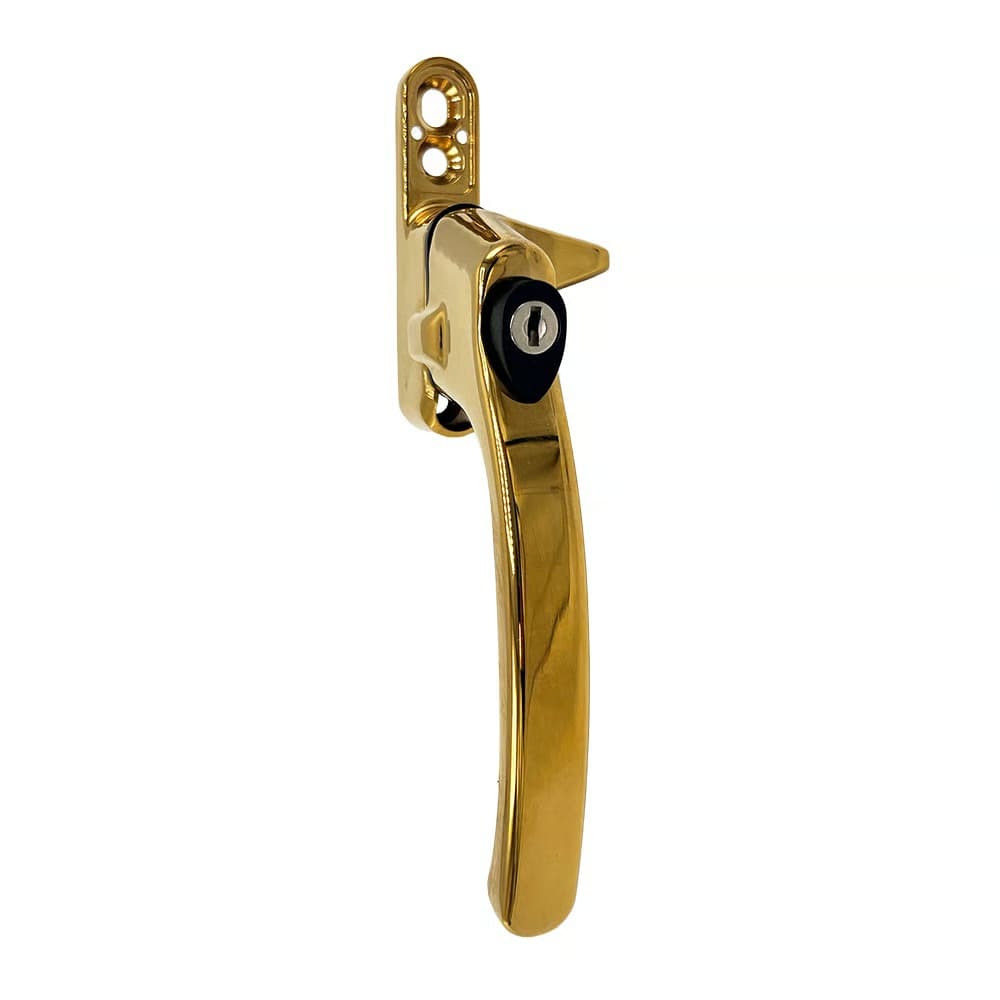
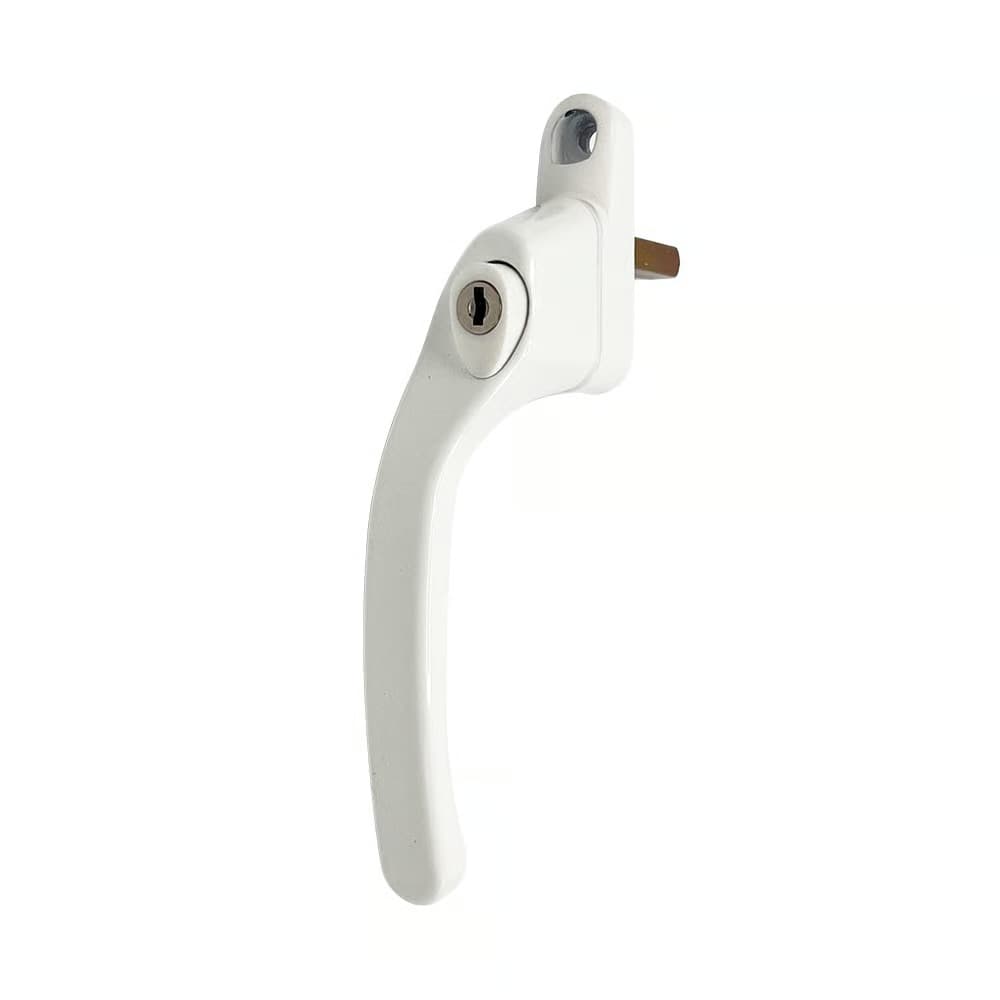
The most common locking uPVC window handles are espagnolette (espag) and cockspur styles. Espagnolette handles operate a multipoint system inside the window edge via a spindle and operate by rotating the handle to engage or disengage hooks or bolts. Cockspur handles clamp across the frame and are typically surface-mounted on the sash.
For jobs requiring key-locking functionality suited to modern multipoint systems, the TSS Cockspur Window Handles is an example of an espag-style locking handle engineered for enhanced security. For traditional or older windows where a clamp action is present, consider the TSS Cockspur Window Handle. For a popular keyed option used across many residential properties, the TSS Offset UPVC Window Handles is a reliable choice.
Measure and record critical dimensions
Accurate measurements are essential. Tradespeople should record these before ordering replacements; homeowners following a checklist will reduce returns and refits.
- Spindle length: Measure from handle face to the end of the spindle that inserts into the mechanism. Spindles commonly range from 35mm to 45mm, and some handles offer adjustable or cut-to-size spindles.
- Fixing hole centres: Measure the distance between screw holes on the handle rose or backplate. Common centres include 43mm and 92mm.
- Backset and profile: Note the distance from the face of the handle to the centre of the locking mechanism and confirm whether the lock is recess or surface-mounted.
- Orientation and handedness: Identify left- or right-hand opening by looking at the hinge position when facing the window from indoors. Many handles are reversible but some locking mechanisms are handed.
- Follower/fitting: Check the shape and size of the follower (the slot or square driven by the spindle) — common sizes are 7mm square; some systems use 8mm or non-square profiles.
Match handle to locking mechanism
Matching the handle to the internal locking system avoids functional failure. Espagnolette handles must match the spindle, follower and fixing centres of the existing espag gearbox. Cockspur handles require the correct screw positions and the correct projection to clamp with the sash.
- For espag systems, confirm the espag gearbox position and ensure the spindle matches the gearbox’s centreline. Replace any worn or bent spindles before fitting a new handle.
- For cockspur systems, verify the handle’s tip and screw positions align with the sash fixing points. A misaligned cockspur handle can strip the sash or fail to clamp securely.
Check security features and compliance
A locking handle should complement the window’s overall security. Look for handles that meet or exceed British standards for hardware durability and security.
- Key-locking vs push-button: Keyed handles offer visual confirmation and secondary locking; push-button locks provide quick use. Select keyed handles where higher security is desirable (ground-floor rooms, accessible windows).
- Reinforcement: Where possible, use handles with strong internal components and reinforced roses or backplates to resist rotational attack.
- Child safety: Consider handles with integral locks to prevent accidental opening from children on higher floors.
Practical fitting and installation tips
Careful installation ensures longevity and correct operation.
- Prepare the sash: Remove old handles and clean the area; inspect screw holes and fill any oversize holes with suitable filler or consider a backplate to cover damaged areas.
- Trial fit: Before final assembly, insert the spindle and operate the handle to confirm that the spindle engages the gearbox smoothly and the lock engages correctly with the keep.
- Torque and fixings: Use appropriate torque; over-tightening can distort roses and misalign the mechanism. Use corrosion-resistant screws of the correct length so the handle sits flush without bottoming out inside the frame.
- Adjust keeps and strikes: Ensure the keep on the frame aligns with the locking points. Slight adjustments to keeps often resolve binding or stiff operation.
- Weather and seal: Check the window seals after refit; excessive movement during fitting may require re-sealing or re-bedding.
Common compatibility issues and troubleshooting
Awareness of typical problems speeds diagnosis and repair.
- Incorrect spindle length: A handle that’s too short will not engage the gearbox; too long can bottom out and prevent locking.
- Wrong fixing centres: Non-matching holes lead to poor clamping and potential handle movement under use.
- Incompatible follower profile: A square spindle into a rounded follower will slip and wear quickly.
- Worn gearbox: Symptoms include loose operation, failure to lock, or inconsistent engagement; replacement of the espag rod or gearbox is often necessary.
- Handing problems: Some key locks are handed, causing the key to operate the wrong way or jam if swapped left-to-right without a reversible option.
Maintenance and long-term care
Regular maintenance preserves function and security.
- Lubricate moving parts annually with a light silicone spray or graphited product in the key area.
- Check fixings and re-tighten as necessary; monitor for signs of corrosion.
- Replace handles showing play, bent spindles or stripped followers promptly to avoid damage to the locking mechanism.
Final checklist before purchase
- Confirm type: espag or cockspur.
- Record spindle length and follower profile.
- Measure fixing hole centres and check backset.
- Note handedness and keyed vs push-button preference.
- Inspect and assess the espag rod or gearbox condition.
- Ensure compatible keeps and strikes or budget for adjustments.