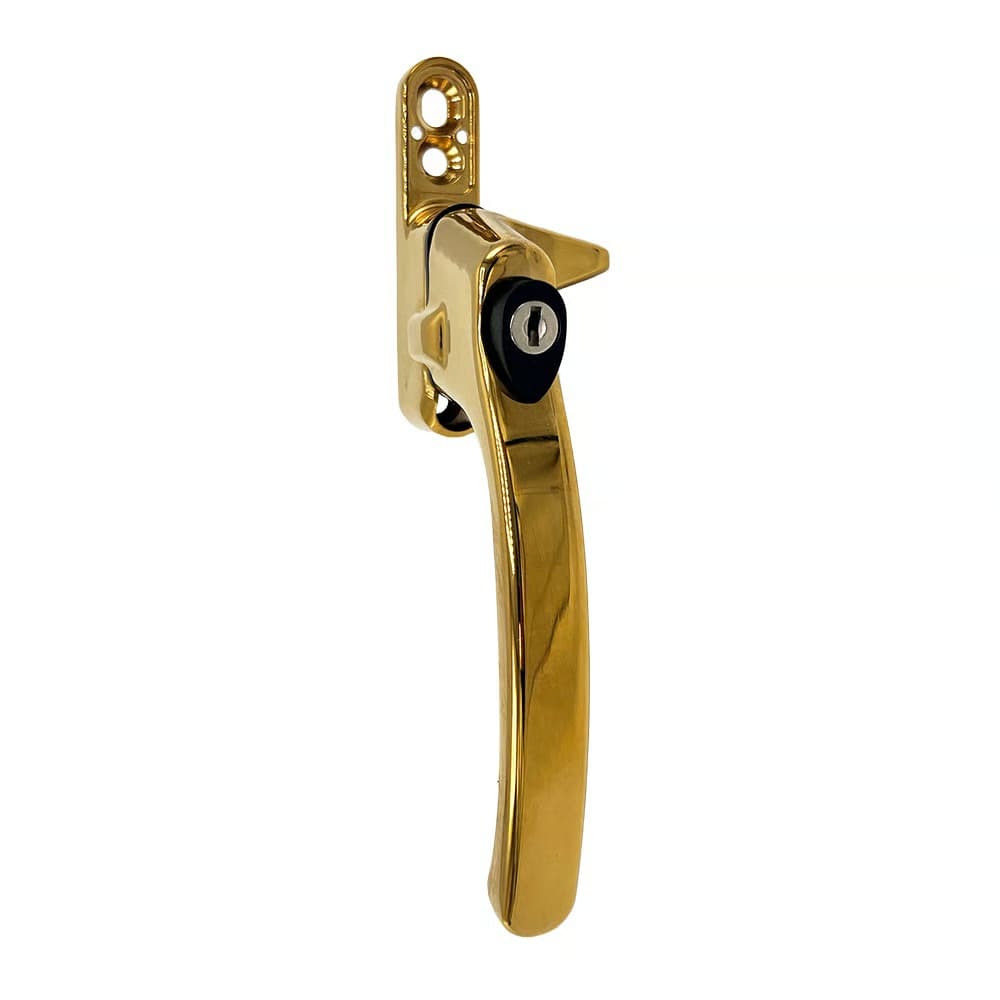
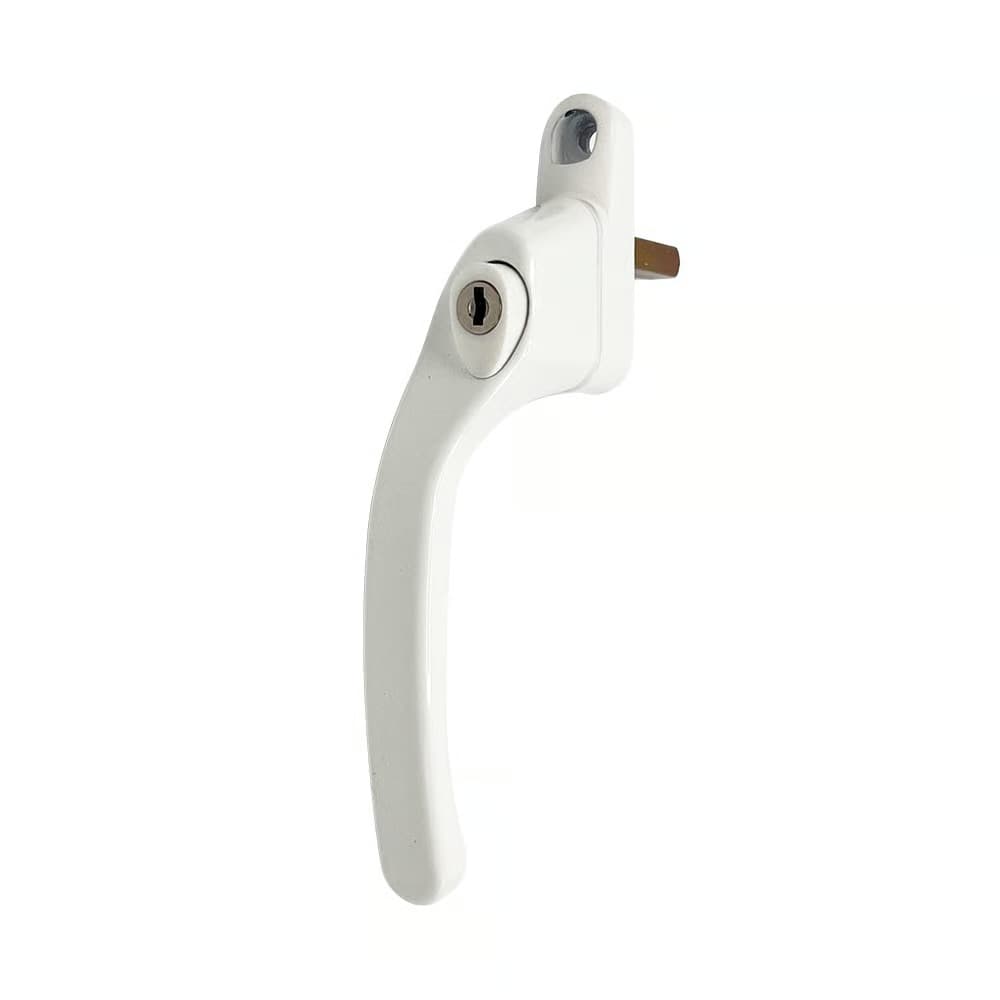
Locking uPVC Window Handles: FAQs
Locking uPVC window handles are a straightforward upgrade that improves security, child safety and peace of mind for homeowners and tradespeople. This guid...
Locking uPVC window handles are a straightforward upgrade that improves security, child safety and peace of mind for homeowners and tradespeople. This guide answers common questions and provides practical, actionable advice on selecting, fitting and maintaining locking handles for uPVC windows, covering types, compatibility, standards and simple troubleshooting.
Types of locking uPVC window handles
Most locking uPVC window handles fall into a few common categories:
- Espag (espagnolette) handles: Operate a multi-point locking mechanism via an internal spindle and are commonly found on casement windows. They often come with a key or push-button lock.
- Cockspur handles: Surface-mounted handles that engage with keeps on the frame; simpler and cost-effective for older windows.
- Lockable monkey tail and tilt-and-turn handles: Less common on standard UK uPVC, but available for specific systems.
Key features to prioritise
Prioritise these features when choosing locking handles:
- Security type: Keyed locks offer higher security; push-button locks provide convenience and a moderate level of security. Select keyed handles for ground-floor or vulnerable windows.
- Build quality: Solid metal components and robust finish resist forced entry and wear.
- Ergonomics: Comfortable operation matters for frequent use; consider handle length and rotation.
- Compatibility: Confirm spindle length, screw centres and backset match the window. Manufacturers’ product pages often list these measurements.
Measuring and compatibility checklist (practical steps)
Before ordering, measure and note the following:
- Spindle length: Measure from the handle base to the end of the spindle. Common lengths include 8mm square spindles at 25mm, 35mm, 40mm etc. Inaccurate spindle length prevents proper engagement.
- Backset and screw holes: Measure distance from the handle centre to the top/bottom screw holes. Match the screw centre spacing to the new handle.
- Thickness and frame type: Ensure the handle base sits flush against the uPVC profile. Some handles are designed for narrow or wide frames.
- Lock type on existing mechanism: Identify whether the window uses an espagnolette gear, cockspur keeps or a different system.
Fitting and installation advice
Basic fitting steps for most handles: 1. Remove the old handle by unscrewing the mounting screws and withdrawing the spindle. 2. Check the espagnolette gear or cockspur keep for wear and replace if the mechanism is loose or damaged. 3. Position the new handle, ensuring the spindle fully engages the mechanism and screw holes align. 4. Tighten screws evenly to avoid distorting the uPVC frame; avoid overtightening which can crack uPVC. 5. Test locking and unlocking several times to confirm smooth operation and correct alignment.
Use thread-locker on screws for handles fitted on outward-facing windows to resist tampering. When replacing multiple handles on a property, fit keyed handles to ground-floor and easily accessible windows for consistent security.
Maintenance tips to extend service life
Regular maintenance reduces failures and improves security:
- Lubricate moving parts annually with a dry PTFE or silicone spray; avoid heavy greases that attract dust.
- Tighten loose screws and replace stripped fasteners promptly.
- Check keeps and strikes for alignment; a misaligned keep causes handle to be hard to turn and increases wear.
- Clean handles with mild detergent and a soft cloth; avoid abrasive cleaners that damage finishes.
- Replace worn or bent spindles and corroded components rather than forcing operation.
Child safety and accessibility considerations
Choose locking mechanisms that balance security and ease of escape. Push-button or lockable handles with reversible keys offer quick access for authorised users while preventing accidental opening by children. For rooms requiring rapid egress (bedrooms), consider locks with internal emergency release or deliberately positioned handles that are reachable from inside without a key.
Tradespeople undertaking installations in rented or occupied properties should document lock types and show correct operation to occupants.
Troubleshooting common problems
- Handle stiff or jamming: Check alignment of keeps and lubricate the spindle and gear. If still stiff, measure for worn components and replace the espagnolette if needed.
- Handle spins without locking: Indicative of a broken spindle or failed internal gear. Replace handle and inspect the espagnolette mechanism.
- Key won’t turn smoothly: Clean lock cylinder with graphite or a specialist lock lubricant and ensure the key is not bent or worn.
- Screws pull through uPVC: Use larger diameter screws with appropriate length or nylon inserts designed for uPVC repair; avoid DIY oversizing that cracks profiles.
When to upgrade and trade considerations
Upgrading to locking uPVC window handles makes sense during windows refurbishment, after a break-in attempt, or when improving rental property security. Tradespeople benefit from keeping common spindle lengths and a selection of keyed and push-button handles in stock to offer same-day replacements. For projects requiring security certification, specify products with documented testing or compatible with PAS 24-approved hardware.
Concluding practical note: selecting the correct type, measuring carefully and following straightforward installation and maintenance routines will keep locking uPVC window handles operating reliably for years.