Locking uPVC Window Handles: Installation Guide
Locking uPVC window handles improve security, reduce draughts and prevent accidental openings, especially in households with children or pets. This install...
Locking uPVC window handles improve security, reduce draughts and prevent accidental openings, especially in households with children or pets. This installation guide explains how to choose the correct handle, prepare the window, fit common handle types and troubleshoot common issues. It is written for homeowners wanting to upgrade their windows and tradespeople seeking a reliable step‑by‑step reference.
Choosing the right locking uPVC window handles
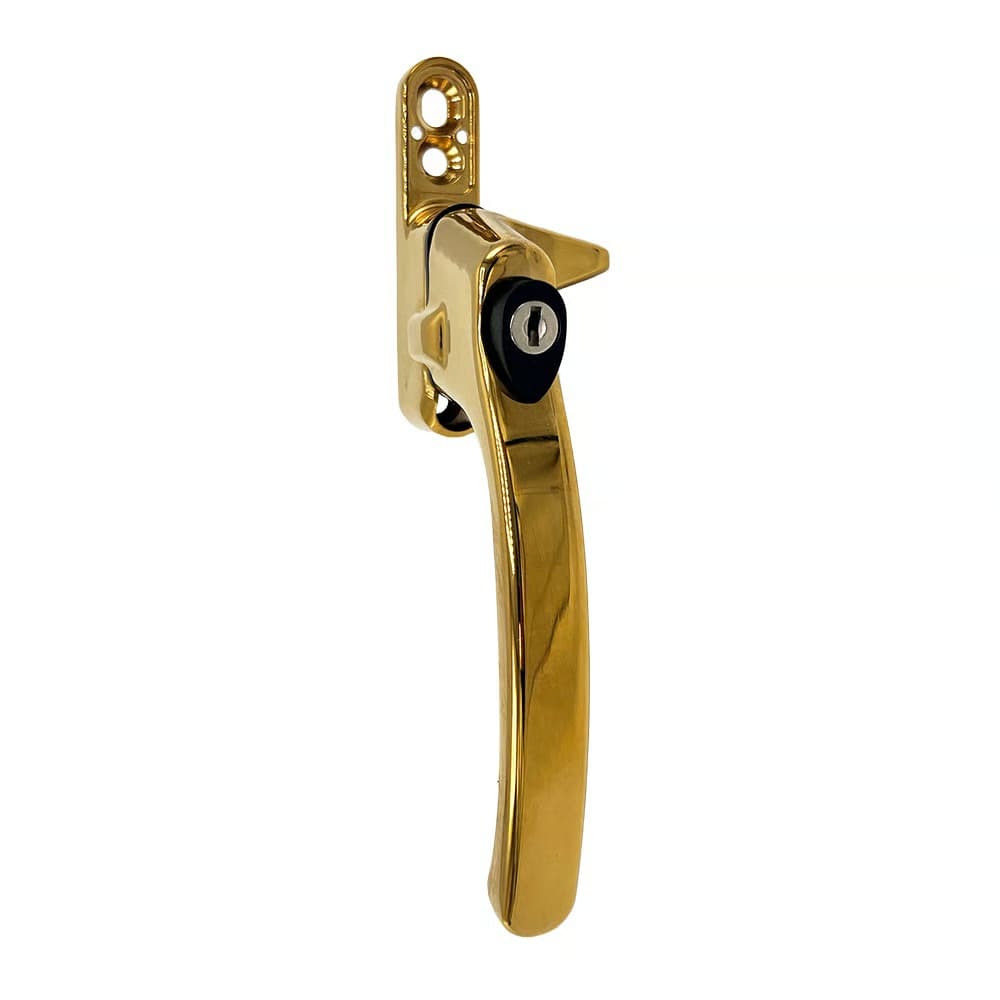
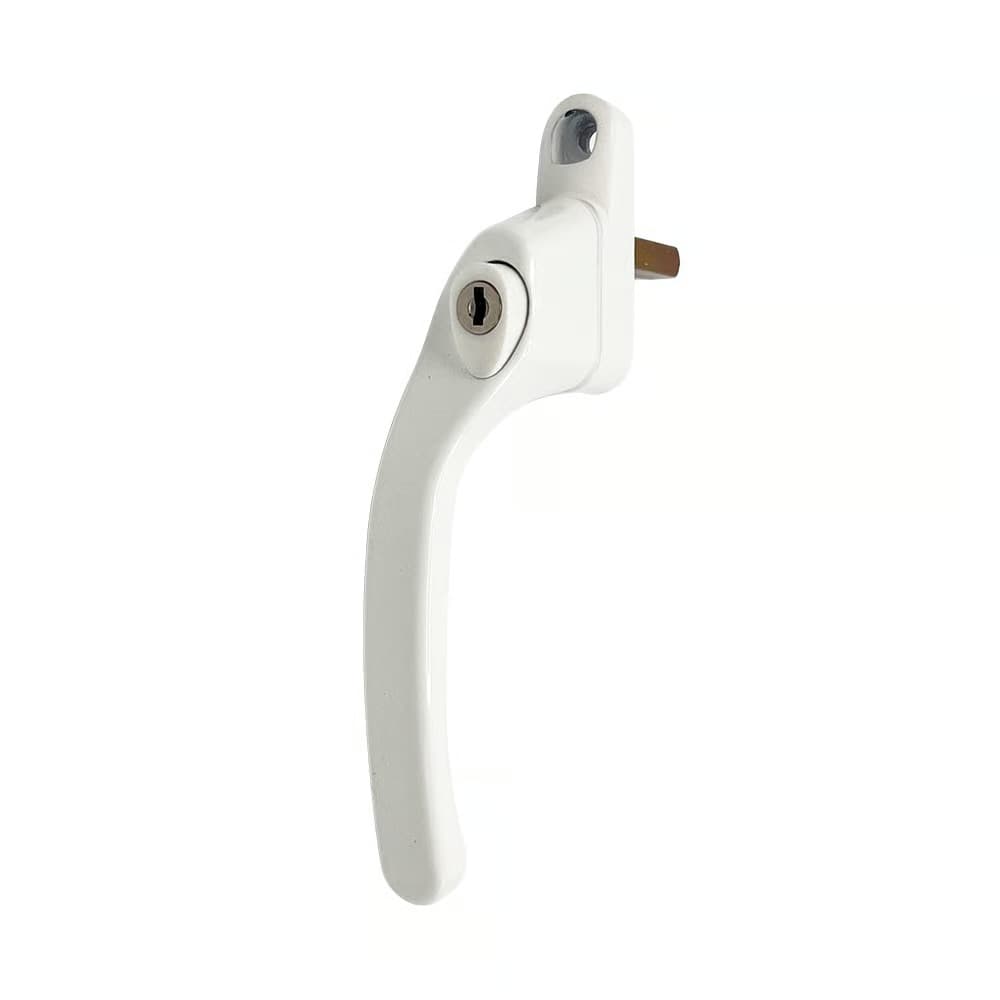
Selecting the correct handle depends on the window type (espagnolette, cockspur, tilt-and-turn), the backset and screw centres, finish and handedness. Espag handles operate a multipoint espagnolette gearbox and require alignment with the gearbox gearbox spindle and screw positions. Cockspur handles fit directly onto the outer frame with a single spindle and are typically used on older windows. Consider a handle that meets relevant security standards and has a robust internal locking mechanism to resist forced entry.
Recommended options include the TSS Cockspur Window Handles for espagnolette windows, the TSS Cockspur Window Handle for traditional cockspur applications and the TSS Offset UPVC Window Handles for a balance of quality and value.
Key measurements to record before purchase:
- Screw centres (distance between fixing screws) — common sizes are 43 mm, 47 mm and 82 mm.
- Spindle length and diameter — typically 7 mm square for many handles; measure the projection from the door or sash face when closed.
- Backset and gearbox position (espag) — note the location of the gearbox and spindle relative to the handle base.
- Handing and faceplate type — some handles are reversible while others are handed; confirm whether the handle sits left or right on the window.
Tools and materials required
Tradespeople will already have suitable kit; homeowners will need:
- Crosshead screwdriver and/or Pozidriv
- 3 mm and 4 mm hex keys (if required for grub screws)
- Spirit level and tape measure
- Replacement handle and any supplied screws
- Masking tape and marker
- Lubricant such as silicone spray
- Small clamp or helper for larger sash windows
Preparing the window
1. Open the window to the ventilated/tilt position or fully open, depending on access. 2. Apply masking tape across the sash near the handle to catch small screws and protect the profile finish. 3. Inspect the existing handle and surrounding frame for rot, cracking or excessive wear. Replace any damaged seals before fitting a new handle. 4. Note the orientation of the spindle and the position of the screw holes. Take a photo for reference if required.
Removing the old handle
- Locate and remove the fixings: handles are generally secured by two visible screws on the faceplate or hidden under a decorative cap. If caps are present, lever them off gently with a flat screwdriver.
- Withdraw the handle body from the spindle, supporting the sash to prevent sudden movement.
- If a grub screw secures the spindle, loosen it with the appropriate hex key and slide the spindle out.
- Clean the area and inspect the gearbox or strike plate for damage. Replace worn parts before fitting the new handle.
Fitting the new handle (espagnolette handles)
1. Align the new handle spindle with the gearbox spindle; ensure the splines engage correctly and the handle sits flush. 2. Reinsert the fixing screws lightly and test operation: with the handle in the closed position, rotate to check smooth engagement with the espagnolette mechanism. 3. Tighten the screws in a criss-cross pattern to ensure the handle is seated without twisting the faceplate. 4. If the handle includes a locking cylinder, install and test the lock operation several times to confirm keys turn freely and the deadbolt engages.
Practical notes:
- Do not overtighten screws into uPVC as this can deform the profile and cause binding.
- Apply a small amount of silicone lubricant to the gearbox and moving parts; avoid oil-based lubricants that attract dust.
Fitting the new handle (cockspur handles)
1. Ensure the cockspur latch aligns with the keep on the outer frame. The cockspur should lie parallel and make full contact without forcing the sash out of square. 2. Fit any supplied adaptor or bushes onto the spindle to achieve the correct projection and alignment. 3. Secure the handle with the two screws provided. For older windows with elongated screw slots, use longer screws into sound substrate or install additional backing plates to distribute load. 4. Test operation in both open and closed positions, verifying the cockspur does not catch on the frame seal.
Adjustments and final checks
- Check the locking engagement: the sash should pull tightly into the frame with even compression along the gasket.
- Confirm that the handle returns to the horizontal or vertical rest position without play. Slight movement indicates loose fixings or an ill-fitting spindle.
- Test all locking positions and, if applicable, the key-operated lock. Keys should insert and remove smoothly; binding indicates a misaligned cylinder or handle.
- If the handle is stiff, check for distorted seals or an incorrectly set espagnolette gearbox. Adjust striker plates or gearbox cams as needed.
Common problems and fixes
- Handle wobbles: tighten fixings and check for worn bushes or stripped screw threads. Replace bushes if necessary.
- Handle will not turn the gearbox: confirm the spindle is the correct size and fully engaged with gearbox splines; replace or fit an adapter if mismatched.
- Lock cylinder binds: check for misalignment between cylinder and body; loosen fixings, realign and retighten.
- Cockspur catching on gasket: reduce the projection of the cockspur by altering the spindle adaptor or file the cockspur tip slightly, then touch up with rust-inhibiting paint if metal.
Security and maintenance
Regular maintenance prolongs life and maintains security. Lubricate moving parts annually with a silicone-based spray, clean the handle surfaces with a non-abrasive cleaner, and inspect fixings quarterly. Consider upgrading to a handle with a 3 star security rating or anti-drill cylinder if the property is in a higher-risk area.
Locking uPVC window handles provide both safety and peace of mind when fitted correctly and maintained. Accurate measurement, the right hardware selection and careful installation ensure reliable operation and improved home security.