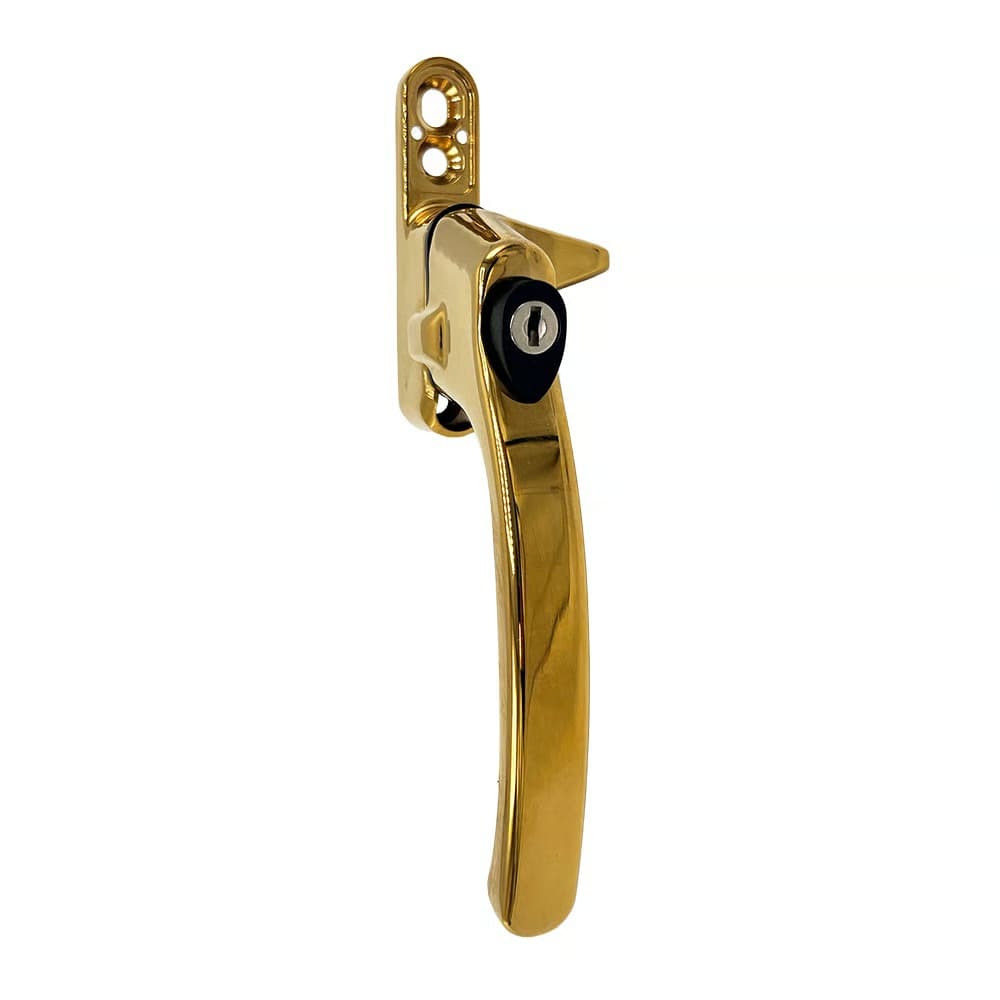
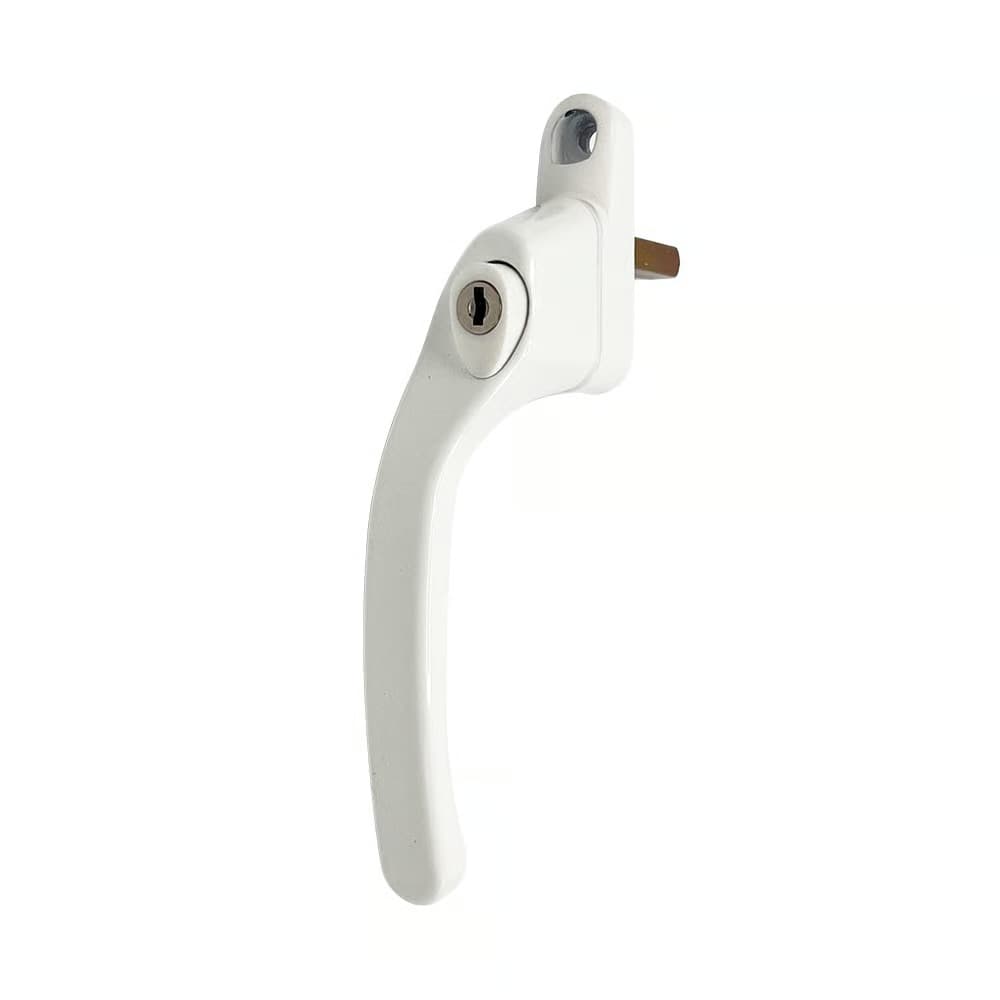
Locking uPVC Window Handles: Security Options Explained
Locking uPVC window handles are a simple, cost-effective way to increase home security while maintaining ease of use and ventilation. For homeowners and tr...
Locking uPVC window handles are a simple, cost-effective way to increase home security while maintaining ease of use and ventilation. For homeowners and tradespeople, understanding the different types of locking handles, how they engage with window hardware, and practical installation and maintenance tips helps ensure windows remain secure without sacrificing functionality.
Why locking handles matter
uPVC windows rely on a system of cams, espagnolette bolts and keep plates to secure the sash into the frame. The handle is the user interface for that system and, when lockable, prevents unauthorised operation. A keyed or push-to-lock handle resists forced entry attempts and protects against opportunistic burglars, particularly on ground-floor and accessible windows. Locking handles also reduce child-safety risks by preventing accidental opening.
Common types of locking uPVC window handles
- Espagnolette (espag) handles: These work with an espagnolette locking mechanism, commonly found on contemporary uPVC casement windows. The handle operates the locking rod which engages into keeps along the frame. A popular option for secure, multi-point engagement is the TSS Cockspur Window Handles.
- Cockspur handles: Suited to older-style windows where the handle mounts against the face of the window and engages a latch on the frame. For retrofit and traditional windows the TSS Cockspur Window Handle provides a reliable, cost-effective solution.
- Hub or multi-point handles: These connect to a locking mechanism inside the sash, often used on tilt-and-turn or heavy-duty casements. A durable choice for many installations is the TSS Offset UPVC Window Handles.
Choosing the right handle for security
Assess the following before selecting a locking handle:
- Compatibility: Confirm backset, spindle length and fixing hole centres match the existing configuration. Mismatched dimensions lead to poor engagement or the need to drill new holes.
- Lock type: Key-locking handles provide a higher security level because the handle cannot be operated without the key. Push-to-lock handles are convenient but offer slightly less resistance.
- Material and finish: Solid zinc or aluminium handles with corrosion-resistant finishes last longer in exposed positions such as coastal locations.
- Certification: Look for handles tested to relevant British or European standards for durability and security where possible.
Practical installation tips
- Prepare the area: Work on a clean, flat surface and support the window sash to prevent strain on hinges.
- Remove the old handle: Unscrew fixing screws and withdraw the spindle gently, noting the position of any guiding plates or collars.
- Test alignment: Before tightening new screws, insert the spindle and operate the handle to ensure it correctly engages the locking rods or latch. Slight adjustments to the spindle or handle plate may be necessary to achieve smooth operation.
- Use correct fixings: Short, self-tapping screws are often supplied; use the manufacturer’s recommendations for screw length to avoid penetrating the sash too far.
- Secure the handle: Tighten screws alternately to distribute load evenly and avoid deforming the handle rose or mounting plate.
- Final checks: Confirm lockability with the window closed and in the tilted position if the hardware supports tilt-in ventilation. Ensure keys operate smoothly and cannot be removed in the unlocked position unless designed to do so.
Maintenance to extend life and performance
Regular maintenance keeps locking uPVC window handles operating smoothly and preserves security:
- Lubrication: Apply a small amount of graphite or silicone spray to the spindle and locking mechanism annually. Avoid heavy oil which attracts dirt.
- Cleaning: Wipe handles with a mild detergent and soft cloth; avoid abrasive cleaners that damage finishes.
- Check fixings: Inspect screws and replace any that show corrosion or have worked loose.
- Operation test: Operate each window lock periodically to ensure all engagement points are functioning and to detect worn gears early.
- Key management: Keep a spare key stored securely and check that keys aren’t bent, which can damage internal barrels.
Enhancing security beyond the handle
While a locking handle is an important deterrent, it should form part of a layered approach:
- Reinforce keeps and hinge fixing plates with longer or stronger screws where possible.
- Consider additional locking bolts or laminated glass for high-risk windows.
- Fit restrictors for windows above ground level to prevent access via adjacent surfaces.
- Combine with good external measures: security lighting, well-maintained boundaries and visible deterrents reduce opportunistic attempts.
Summary
Locking uPVC window handles provide accessible, effective security improvements for a wide range of homes. Selecting the correct type — espagnolette, cockspur or hub — and ensuring precise measurement, correct installation and routine maintenance delivers reliable performance. For many installations, a keyed handle offers the best balance between convenience and security, but matching the handle to the window’s locking mechanism is paramount.