Locking uPVC Window Handles: Trade Tips for a Perfect Fit
Locking uPVC window handles are a small component that makes a big difference to security and ease of use. Whether replacing a faulty handle or fitting new...
Locking uPVC window handles are a small component that makes a big difference to security and ease of use. Whether replacing a faulty handle or fitting new windows, choosing the correct locking handle and fitting it properly prevents drafts, reduces the risk of forced entry and keeps maintenance visits to a minimum. The following trade tips cover selection, measurement, installation and aftercare for homeowners and tradespeople.
Types of locking uPVC window handles and where they belong
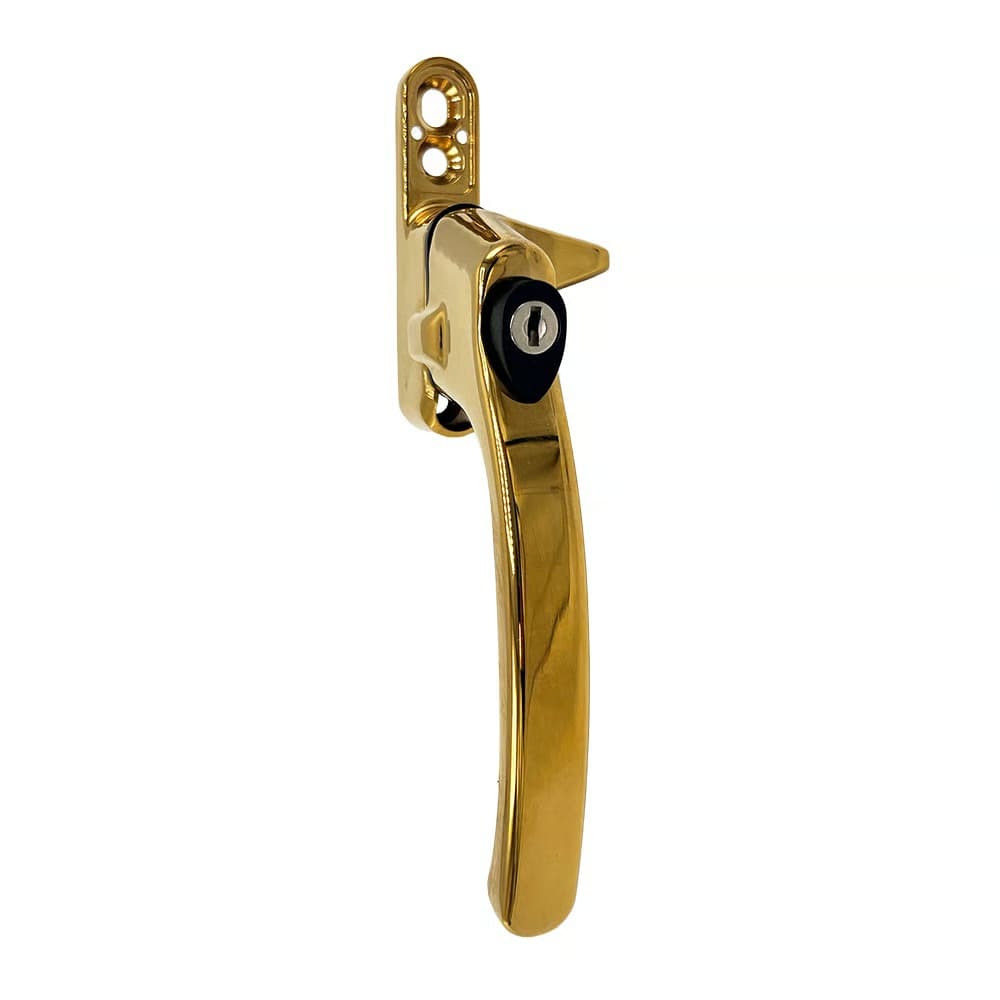
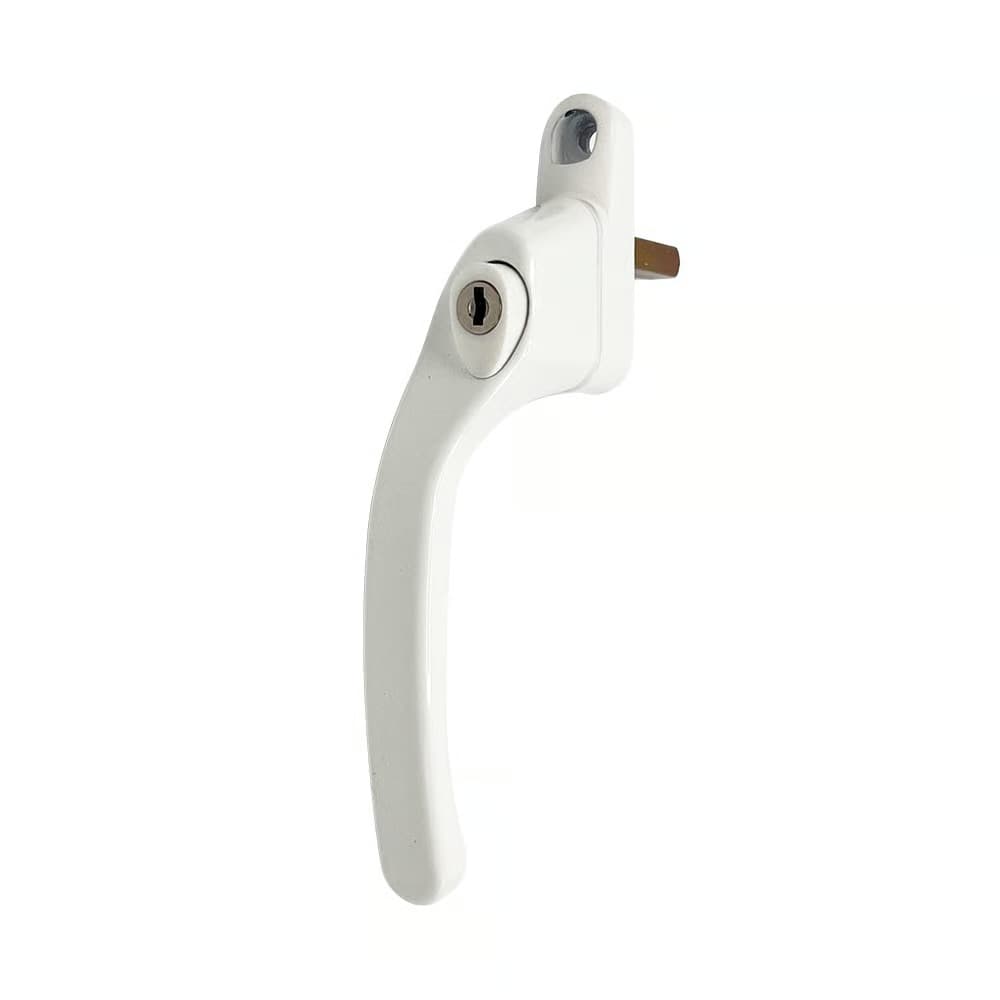
Select the handle style to match the window locking mechanism and the required level of security. Common types include espagnolette (espag) handles for tilt-and-turn and casement windows, cockspur handles for older casement windows, and lever handles that work with multi-point or centre-case gearboxes.
- Espag handles operate a spindle that turns a gearbox; they are security-orientated and often supplied with keyed locking options such as the TSS Cockspur Window Handles.
- Cockspur handles clamp the sash to the frame and are usually fitted to existing keeps; modern locking versions improve security for timber-style fixtures such as the TSS Cockspur Window Handle.
- Lever-style locking handles, including popular keyed models like the TSS Offset UPVC Window Handles, suit a variety of casement and tilt-and-turn applications where a simple lockable lever is required.
Measuring and matching for a perfect fit
Accurate measurement saves time and avoids returns. Tradespeople should take the following measurements before ordering:
- Spindle length and type: Measure the distance from the front face of the handle rose to the end of the spindle. Standard spindles are 8 mm square but lengths vary. Match the spindle to the gearbox depth to ensure engagement in both open and closed positions.
- Backset (centre-to-centre): Measure the distance between the fixing hole centres where the handle mounts. Many uPVC handles use a 43 mm or 48 mm centre distance; confirm against the replacement.
- Screw hole positions: Record vertical and horizontal offsets of fixing screws so the new handle sits flush and aligns with the screw bosses on the window sash.
- Handing and orientation: Note whether the handle is right- or left-handed, and whether the key-lock faces upwards or downwards when locked. Ordering the wrong handed model often results in incorrect lock operation.
Installation checklist and step-by-step tips
Follow a consistent method to ensure reliable fitting and avoid damage to uPVC or hardware.
1. Preparation: Clean the area and lay soft protective cloths to prevent scratching. Have the correct screwdriver heads, a torque-limited driver, a set of replacement screws and the new handle ready. 2. Remove the old handle: Open the window and unscrew visible fixings. If concealed, retract the handle to reveal cover caps. Pull the handle straight off the spindle—avoid levering against the window frame. 3. Inspect the gearbox and spindle: Check the spindle for wear or damage and ensure the gearbox faceplate is square and not loose. Replace a damaged gearbox before fitting a new handle. 4. Fit the new handle: Slide the handle onto the spindle; ensure the spindle fully engages in the gearbox slot. Align the fixing holes and insert screws by hand to avoid cross-threading. 5. Tighten correctly: Use a torque-limited driver set to a low torque to avoid crushing the uPVC rose or stripping screw threads. Tighten until snug; overtightening deforms the plastic and stresses the internal mechanism. 6. Test operation: Operate the handle through full travel—open, close and lock—to check smooth engagement. Ensure the keyed mechanism locks and unlocks without excessive force. Re-adjust spindle or handle orientation if the handle binds.
Document the new spindle size and screw positions for future reference, especially on multi-window jobs.
Practical security and compliance tips
For a visible security upgrade, choose handles that meet recognised standards and consider keyed locking versions. Keyed handles should be fitted so the key is easy to use but not exposed to potential tampering from outside when the window is closed. For ground-floor windows or accessible elevations, specify handles with a minimum 3-star cylinder or Secured by Design-approved components where required.
Double-sash and tilt-and-turn windows may require handles that lock in multiple positions. Confirm compatibility with the existing espagnolette or centre-case gear before purchase.
Common installation faults and how to avoid them
Several faults recur on site; addressing them prevents callbacks:
- Incorrect spindle length: Either the handle won’t engage or it protrudes—measure rather than estimate.
- Over-tightened screws: Leads to cracked roses or seized mechanisms; use controlled torque.
- Misaligned screw holes: Causes the handle to sit off-centre and bind—match fixing centres exactly.
- Reusing worn spindles: A brittle or undercut spindle causes intermittent engagement; replace the spindle or handle assembly if wear is visible.
- Incorrect handing: Fit the handle in the correct orientation; some keyed models are handed and will not function if reversed.
Aftercare and maintenance
Routine maintenance prolongs handle life and keeps locking smooth:
- Lubricate the spindle and gearbox pivot points annually with a light machine oil or silicone spray selected for uPVC and metal interfaces.
- Clean the handle with a mild detergent and soft cloth; avoid abrasive cleaners that damage finishes.
- Periodically cycle the handle through full travel to redistribute grease and reveal early signs of wear.
- Replace keys and handles that show difficulty locking or require excessive force; small issues escalate quickly when ignored.
Locking uPVC window handles are straightforward to fit when correct measurements, compatible styles and careful installation techniques are used. Quality products and attention to torque, handing and lubrication deliver reliable, secure windows for years.