Locking uPVC Window Handles: When the Mechanism Is the Real Issue
Many homeowners and tradespeople assume a stiff or non-functioning window handle means the handle itself is worn, but often the underlying locking mechanis...
Many homeowners and tradespeople assume a stiff or non-functioning window handle means the handle itself is worn, but often the underlying locking mechanism is at fault. Addressing the mechanism rather than replacing the handle can save time and money, improve security and restore smooth operation. This article explains how to diagnose mechanism issues in locking uPVC window handles, gives practical repair and adjustment steps, and outlines when a replacement handle is genuinely required.
How to tell the problem is the mechanism
Symptoms that point to the locking mechanism (gearbox, espagnolette or keep) rather than the handle include:
- The handle moves freely but the window does not lock or latch.
- The handle is hard to operate only when moving into the fully locked position.
- Multiple locking points fail to engage or there is uneven engagement along the edge.
- The handle returns to neutral or slouches when the window is closed, indicating internal slip.
Basic tools and safety
Essential tools: screwdriver set (Pozidriv and flat), hex keys, lubricant (graphite-free, silicone or specialist window grease), cleaning cloth, replacement gearbox or spindle if needed, and protective gloves. For tradespeople, include a torque driver and a set of spindles to test fit. Always support the window sash when removing handles and work with caution on second-storey windows.
Simple adjustments and fixes
1. Tighten handle fixings: Loose screws can allow play that mimics gearbox failure. Remove cover caps and tighten mounting screws to the manufacturer’s torque spec. 2. Check spindle removal and fit: A worn or incorrect-length spindle will not engage the gearbox correctly. Remove the handle and inspect the spindle for rounding or corrosion. Replace with the correct size if necessary. 3. Lubricate moving parts: Clean debris from the gearbox slot and apply a thin film of silicone lubricant to moving parts. Avoid oil-based lubricants that attract dust. 4. Align the keeps and striker plates: Misaligned keeps on the frame can block locking points. Loosen the keeps slightly, reposition to allow free movement, then retighten. 5. Reset multi-point gearboxes: Some espagnolette mechanisms can be re-synchronised by moving the handle through full travel while holding the gearbox components in place. Follow manufacturer guidance to avoid damaging plastic parts.
These steps resolve many everyday faults without requiring new handles.
When internal parts need replacement
Internal components that commonly fail include the espag gearbox cassette, cams, rollers and the keyed centre latch. Signs that replacement is necessary:
- Grinding or clicking noises from inside the sash.
- Broken plastic cams or stripped splines on the gearbox.
- Repeated slipping even after lubrication and adjustment.
Choosing a replacement handle when required
If the handle itself is damaged (bent spindle, cracked boss, worn splines) or an upgrade to a locking handle is desired for security, select a robust model that matches the window’s hand, fixing centres and spindle size. Locking handles with secure cylinders offer improved security for ground-floor and accessible windows.
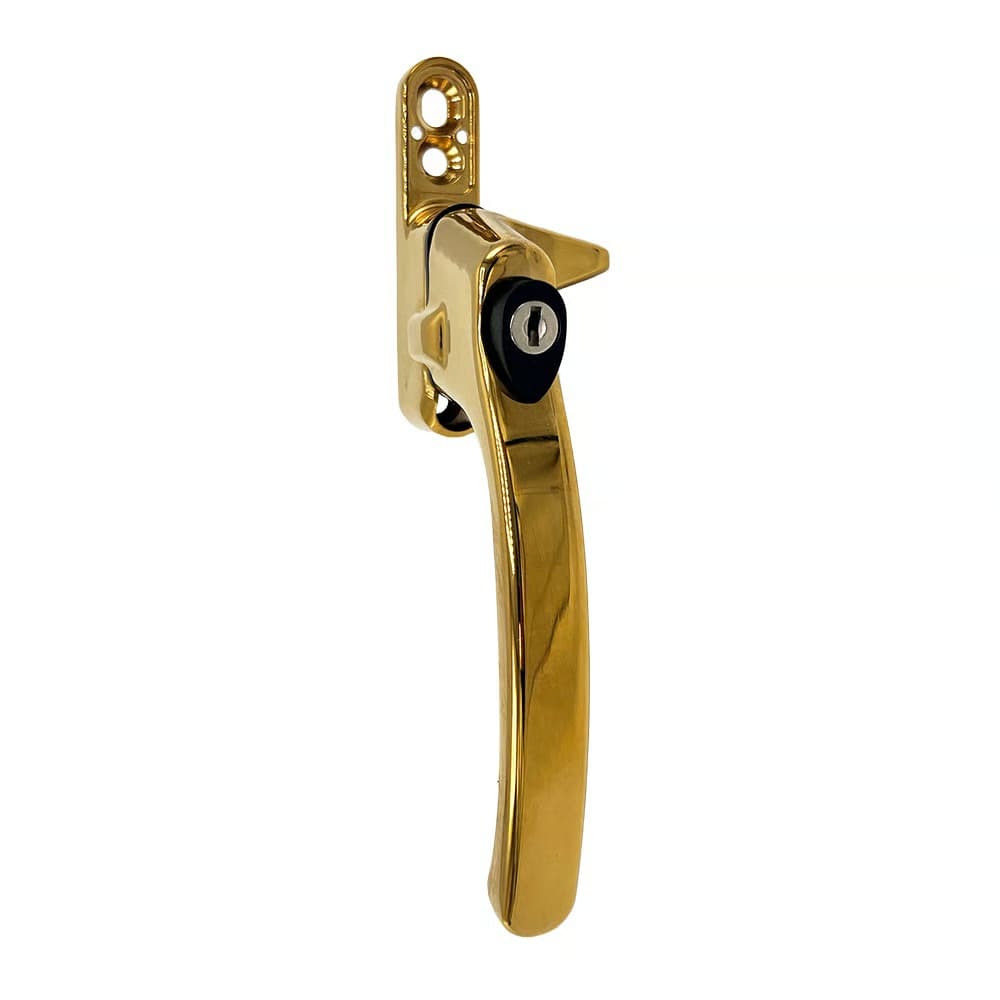
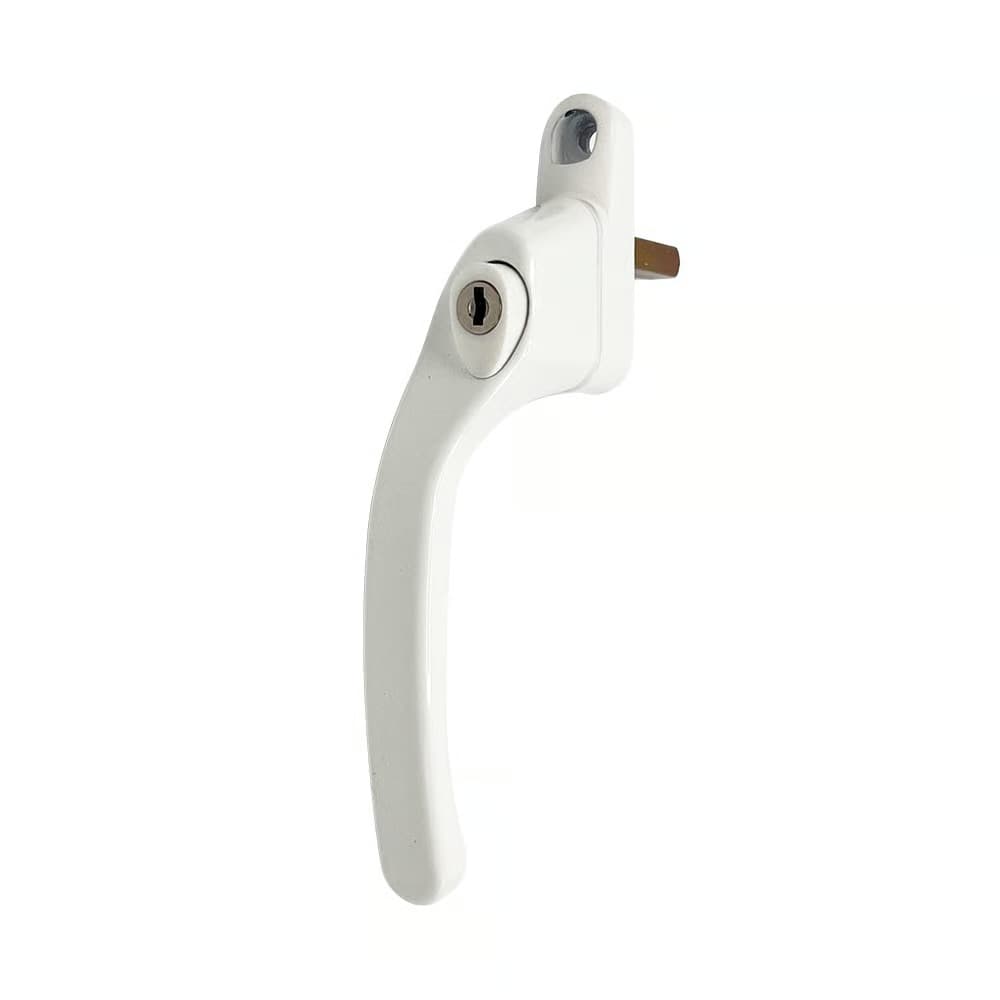
For a trade-quality locking espag handle, consider the TSS Cockspur Window Handles which is designed to work with common espagnolette mechanisms and offers durable operation. For casement windows with traditional cockspur fixings, the TSS Cockspur Window Handle provides a straightforward replacement option. For a reputable branded choice, the TSS Offset UPVC Window Handles combines a solid build with key-lock models suitable for enhanced security.
When fitting a new handle:
- Confirm the spindle length and thickness match existing cut-outs.
- Ensure the handle rotation (90° or 180°) matches the gearbox travel.
- Fit the handle while the sash is supported to avoid strain on the mechanism.
Testing and commissioning
After repair or replacement:
- Cycle the handle through full travel several times with the window open and then closed to ensure consistent engagement.
- Check all locking points engage and that the sash seals evenly around the frame.
- Test the key cylinder if fitted; it should lock and unlock smoothly without excessive force.
Security and compliance considerations
Replacement locking handles should meet relevant security standards where appropriate. For rented properties or listed buildings, check requirements for minimum security levels and use certified components when necessary. Tradespeople should keep evidence of parts and fitting details to demonstrate compliance for warranties or building regulations.
When to call a specialist
If the mechanism is corroded, heavily worn, or internal components are inaccessible without removing glazing, an experienced installer should be engaged. Specialist services will safely remove sashes, replace complex gearboxes and reseal the window to prevent draughts and water ingress.
Replacing a handle is sometimes the visible fix, but addressing the mechanism is often the correct and cost-effective solution. Proper diagnosis, careful adjustment, appropriate lubrication and accurate part selection restore operation and maintain security.