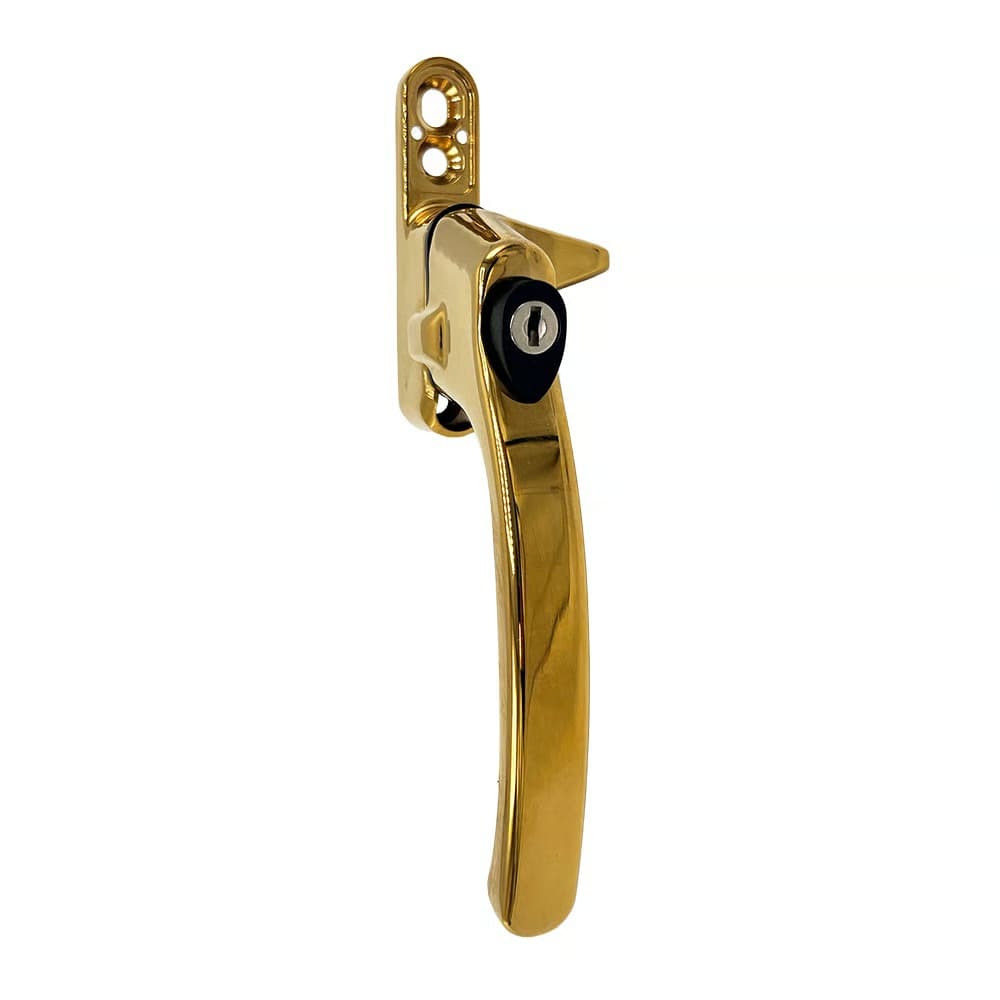
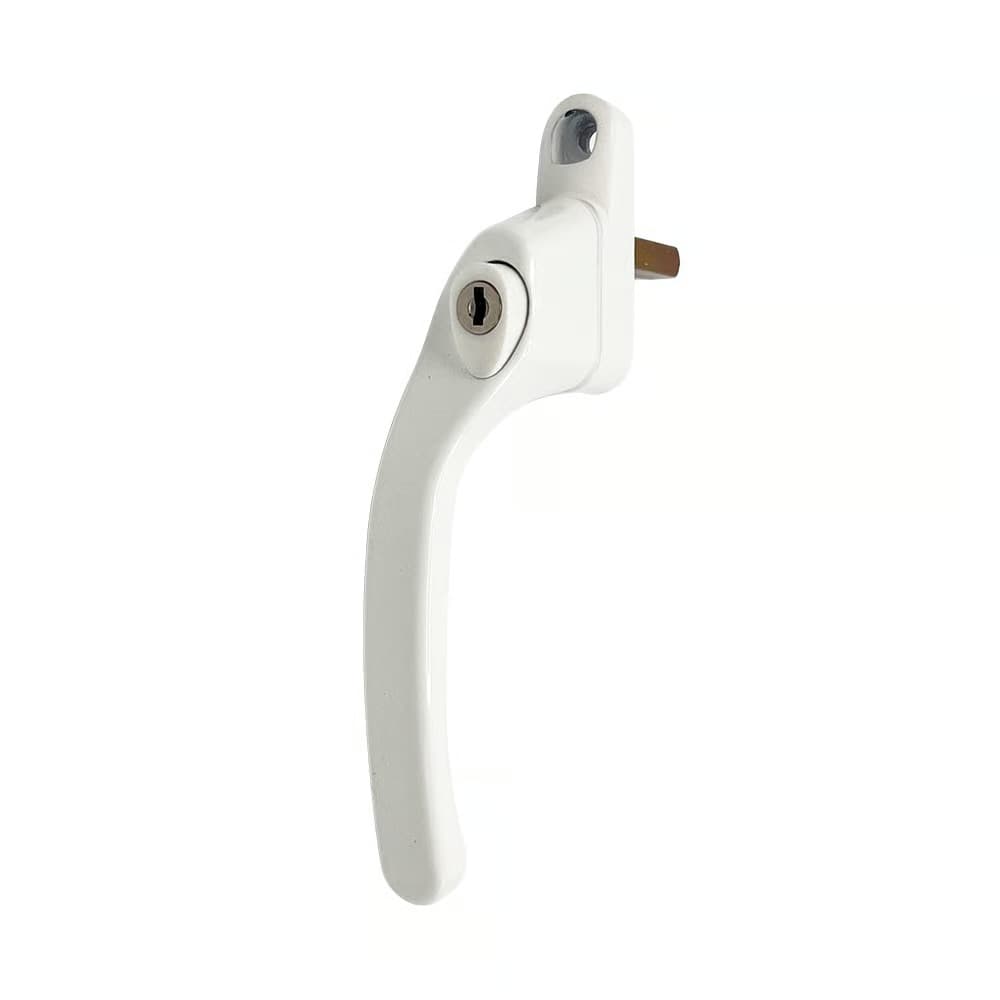
Locking uPVC Window Handles: White and Black Finishes
Locking uPVC window handles combine security and convenience for modern homes and commercial properties. Available in clean white and contemporary black fi...
Locking uPVC window handles combine security and convenience for modern homes and commercial properties. Available in clean white and contemporary black finishes, they provide a visible deterrent and a practical locking mechanism to help prevent unauthorised access, improve child safety and comply with insurance requirements. This article outlines the key considerations when choosing locking uPVC window handles, installation and maintenance tips, and practical advice for tradespeople and homeowners seeking reliable performance.
Why choose locking uPVC window handles
Locking handles secure the espagnolette or multipoint gearbox within the window frame, stopping the handle from being turned when the lock is engaged. This prevents the window from being forced open and adds a layer of security beyond the standard sash lock. White finishes suit traditional and period homes, blending discreetly with existing frames, while black handles offer a modern contrast that complements aluminium-look or anthracite windows.
Key benefits:
- Enhanced security: Locking handles act as an immediate mechanical barrier.
- Child safety: Prevent accidental opening when engaged.
- Insurance compliance: Many insurers prefer or require visible locking hardware on accessible windows.
- Aesthetic choice: Colour options allow matching with frame or hardware finishes.
Types and mechanics to consider
Most locking uPVC window handles fall into two main types: espagnolette/espag handles and cockspur handles.
- Espag handles operate a rod or gearbox inside the window; a locking version uses a key to prevent rotation, securing the rods in place. The TSS Cockspur Window Handles is an example of a robust option designed for modern espagnolette gearboxes, available in multiple finishes suitable for trade installations and homeowner upgrades.
- Cockspur handles clamp onto the bead of the window at the sash and often include an integral deadbolt that engages with the frame. The TSS Cockspur Window Handle offers a cost-effective solution for refurbishment projects where the existing hardware is compatible.
- Backset and spindle length: Match the handle to the window’s gearbox or sash connection.
- Fixing centres and screw type: Ensure compatibility with existing threaded inserts or choose replacement fixings.
- Locking method: Key lock vs. push-button lock; key locks offer a visual indicator and are often considered more secure.
- Finish: Consider UV-stable finishes for white handles to avoid yellowing, and corrosion-resistant coatings for black finishes.
Choosing between white and black finishes
Colour choice should balance aesthetics with practical concerns. White handles are traditional and unobtrusive but can show dirt and discolouration over time; choose products with high-resistance coatings for longevity. Black handles create a striking, contemporary look and tend to conceal marks better, but ensure the chosen black finish is powder-coated or treated to resist chipping in high-traffic installations.
Considerations for tradespeople:
- Site matching: Bring a sample or photo to ensure the handle finish matches frames and other hardware.
- Batch consistency: Order sufficient quantity in one batch to avoid slight variations between production runs.
- Environmental exposure: For coastal properties, specify corrosion-resistant finishes regardless of colour.
Practical installation guidance
Accurate installation is essential to ensure locking uPVC window handles function correctly and last. Follow the window manufacturer’s guidance and these practical steps:
1. Confirm measurements: Measure spindle length and backset, and verify screw positions. A misaligned spindle will prevent smooth locking and operation. 2. Test operation pre-drill: Fit the handle without tightening screws to test rotation and lock engagement. This avoids damage to the handle or gearbox. 3. Use appropriate fixings: Self-tapping screws can strip uPVC; use proper threaded inserts or stainless steel wood screws as specified. 4. Align locking cam: Ensure the locking cam or deadbolt engages smoothly with the striker plate; adjust the striker plate position if required. 5. Torque control: Avoid over-tightening fixings which can warp the handle base and impair operation. 6. Key management: For keyed handles, supply and label keys for clients; consider master-keyed systems for multi-window installations when using the same lock type.
Professional tip: For espag windows, cycle the gearbox through its full travel after handle installation to ensure locking points engage correctly across the sash.
Maintenance and troubleshooting
Routine maintenance prolongs the life of the handle and prevents security failures.
Maintenance tasks:
- Lubrication: Apply a light silicone spray to the gearbox and lock barrel annually. Avoid heavy oils which attract dust.
- Cleaning: Wipe painted surfaces with a mild detergent and soft cloth; avoid abrasive cleaners that damage finish.
- Check fixings: Inspect screw security and spindle alignment yearly, especially on frequently used windows.
- Key wear: If keys become stiff, replace the cylinder before it fails to avoid being unable to lock or unlock in an emergency.
- Handle sagging: Tighten the fixings and check for worn spindle or stripped gearbox; replace components if necessary.
- Lock not engaging: Realign the striker plate or adjust the handle’s position; if the key turns without locking, the lock cylinder may need replacement.
- Corrosion or sticking: Replace corroded handles with stainless or treated finishes and lubricate moving parts.
Compliance and security standards
Ensure locks meet relevant British standards and secure-by-design guidance. Many insurers and local authorities expect windows on ground floors and accessible upper floors to have key-lockable handles or additional locking mechanisms. Specify locking uPVC window handles that are part of a tested and certified window system or consult product datasheets for compliance details.
Summary
Selecting the right locking uPVC window handles involves matching mechanical specifications, choosing an appropriate finish, and following best-practice installation and maintenance routines. White and black finishes cover both traditional and contemporary aesthetics while providing essential security benefits. Tradespeople should verify measurements and compatibility, and homeowners will gain peace of mind from properly fitted, maintained locking hardware. For further reading on handle types, finishes and technical specifications, consult the comprehensive Window Handles Guide.