Locking Window Handles: Are They More Secure Than Standard Handles?
Locking window handles are increasingly specified by homeowners and tradespeople as an easy, cost-effective upgrade to improve home security. This article...
Locking window handles are increasingly specified by homeowners and tradespeople as an easy, cost-effective upgrade to improve home security. This article compares locking window handles with standard handles, outlines real-world benefits and limitations, and offers practical advice on selection, installation and maintenance to achieve the best security outcomes.
What is a locking window handle and how does it differ from a standard handle?
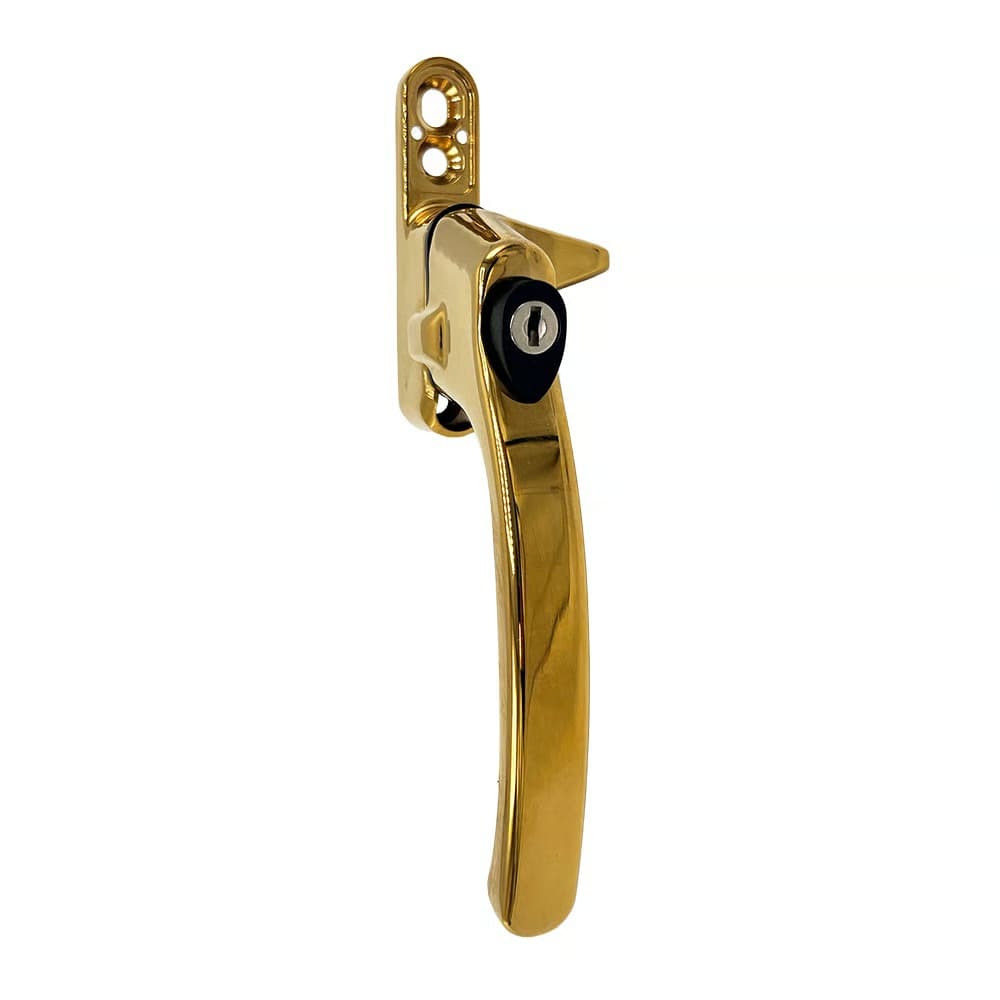
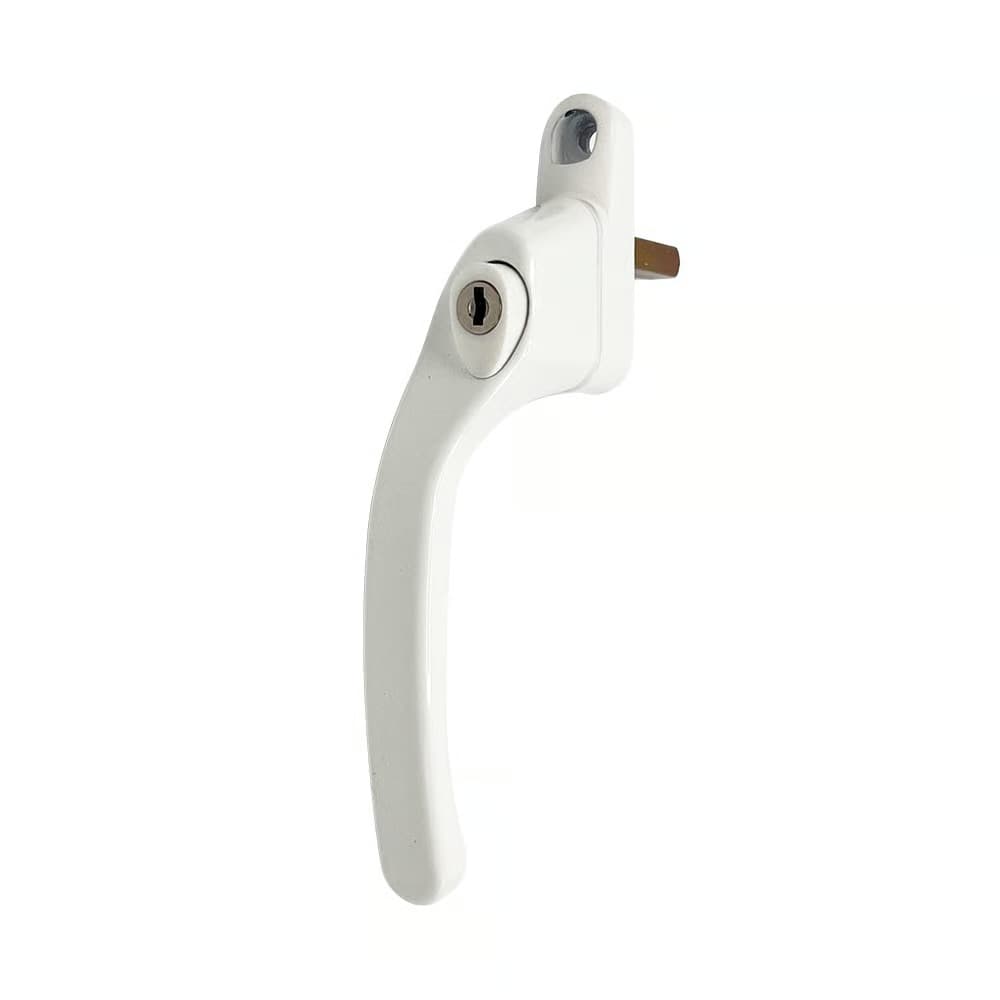
A locking window handle integrates a lock mechanism into the handle itself. When locked, the handle prevents rotation and usually engages a cam or spindle to secure the window. Standard handles allow the handle to move freely when unlocked, relying on the window’s multi-point or espagnolette locking system to resist forcing. Locking handles add an extra physical barrier between the inside and potential intruders, and they can deter opportunistic attempts to lever or snatch the handle from the outside.
Security benefits of locking window handles
- Additional physical deterrent: A locked handle increases the time and effort required to open a window, discouraging quick-entry attempts.
- Protection against handle-snapping and levering: Certain locking handles are designed to resist torque and levering forces that can otherwise defeat standard handles.
- Visible security: Externally visible evidence of locking hardware can reduce temptation for opportunistic burglars.
- Child safety and ventilation control: Some locking handles include short-lock positions that allow partial opening for ventilation while preventing full rotation, useful in households with children.
When locking handles may not be enough
Locking handles make a meaningful difference, but they are only one component of a secure window. If the underlying locking system (espagnolette gear, keep plates, or shootbolts) is weak, a handle will not prevent all forced entries. Likewise, poor frame fixing, rotten timber or thin glazing can undermine any handle upgrade. For best results, treat locking handles as part of a layered approach to security rather than a standalone solution.
Selecting the right locking window handle
Consider these practical factors when selecting a product:
- Compatibility with existing gear: Ensure the handle’s spindle length and fixing centres match the existing locking mechanism. Some handles suit 35 mm centres, others 43 mm or more.
- Cylinder vs. key or push-to-lock options: Key-locking handles are common and provide strong security, while push-to-lock or thumb-turn designs offer quicker operation without a key.
- Material and corrosion resistance: Choose handles manufactured from durable materials and with suitable finishes for exposed locations, especially coastal properties.
- Design and ergonomics: Trade-offs exist between low-profile security designs and ease of use for occupants who may require frequent operation.
- Certification and testing: Handles that meet industry standards or police-preferred specifications are preferable for assurance of performance.
Fit-for-purpose choices for tradespeople
Tradespeople fitting locking handles should assess site conditions before purchase:
- Measure the backset and spindle dimensions, and check the existing gearing type (espagnolette, centre-locking, cockspur).
- For older metal or timber frames, the TSS Cockspur Window Handle provides a compatible choice where cockspur straps exist.
- Stock a small range of spindle lengths and fixing screws to accommodate variations on site.
- Consider offering keyed alike options to clients who prefer a single key for multiple windows.
Installation and practical tips
- Secure fixing: Use the correct length and grade of screws; shallow fixings will compromise the handle’s resistance to levering.
- Torque settings: For keyed handles, ensure the cylinder and fixing plate are tightened correctly—over-tightening can bind operation, under-tightening reduces security.
- Check keeps and striker plates: Replace or reinforce keep plates if they show wear. A solid keep is as important as the handle itself.
- Weatherproofing: Ensure seals and gaskets are intact after installation to prevent draughts and water ingress.
- Key management: Advise clients on key storage and consider numbering or master-key systems for multi-window installations.
Maintenance and lifecycle
Regular maintenance prolongs effectiveness:
- Lubricate spindle connections and locking cams annually with a light machine oil or graphite spray suitable for locks.
- Inspect for corrosion, loose fixings, and wear on keeps; replace components that show play or deformation.
- For properties near the coast, use marine-grade finishes and increase inspection frequency.
- Replace handles that are more than 10–15 years old or that show signs of internal wear, since internal lock components can degrade unseen.
Final assessment: are locking handles more secure than standard handles?
Locking window handles can provide a meaningful security upgrade over standard handles by adding a direct mechanical barrier to handle operation and offering options for controlled ventilation. When combined with strong frame fixing, appropriate hardware for the locking mechanism, and good glazing and frame condition, they contribute significantly to a layered security strategy. They are not a panacea, however; the choice of handle must be matched to the window type and complemented by sturdy keeps, quality locks and proper installation to realise their full benefit.
For a broader overview of handle types, fitting guidance and compatibility charts, consult the comprehensive Window Handles Guide.