Locking Window Handles: Best Finishes (White, Black, Chrome)
Choosing the right finish for locking window handles marries practicality with style. Homeowners and tradespeople must balance corrosion resistance, mainte...
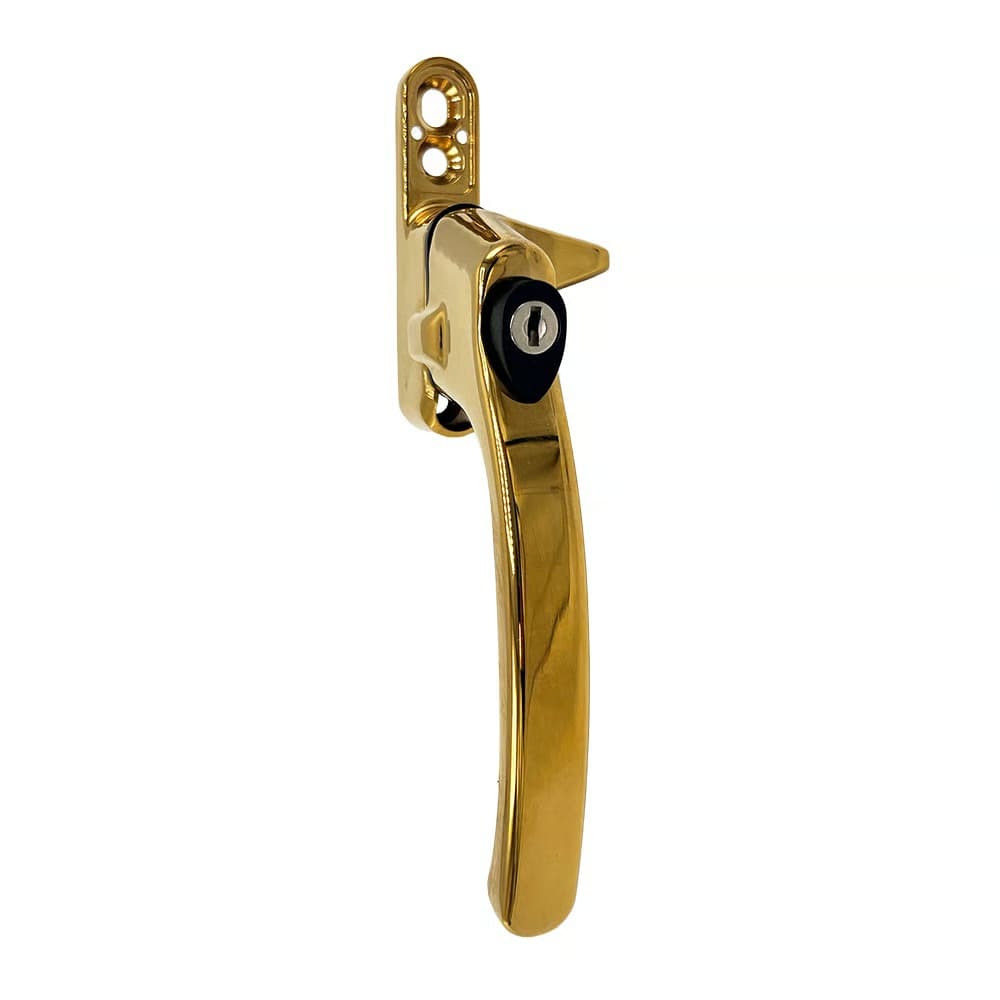
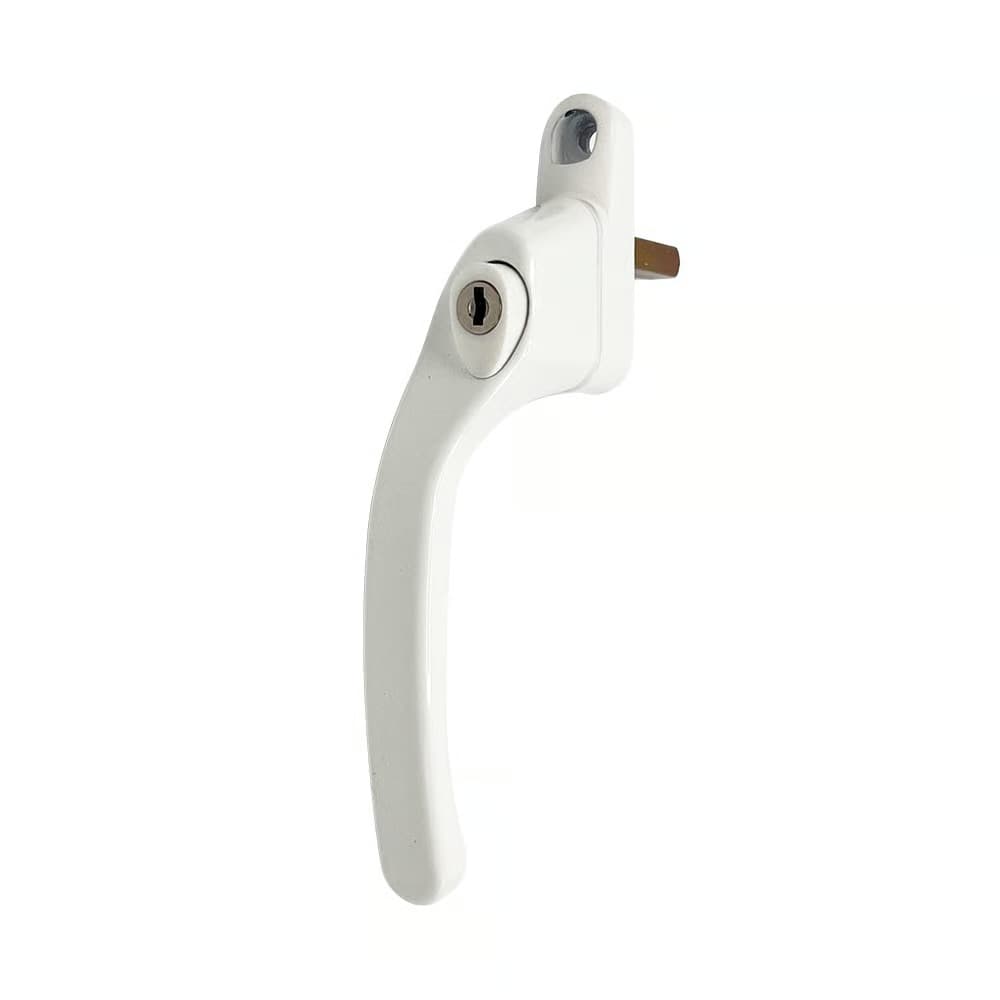
Choosing the right finish for locking window handles marries practicality with style. Homeowners and tradespeople must balance corrosion resistance, maintenance, security compatibility and aesthetic coherence when specifying handles in white, black or chrome. This article outlines the advantages and limitations of each finish, practical installation and maintenance tips, and compatibility considerations so the optimal choice suits the property and use-case.
Why finish matters for locking window handles
Finishes affect durability, visibility of wear and tear, ease of cleaning and how well a handle integrates with the window mechanism and surrounding décor. For locking window handles, finish also influences corrosion resistance — essential for coastal locations — and the likelihood of fingerprints or scratches showing on the surface. Selecting the right finish early avoids unnecessary replacements and reduces long-term maintenance and warranty issues.
White finish: where it works best
White handles suit modern PVCu or painted timber windows, providing a seamless look. They are popular in conservatories and new-build properties where a clean, minimal aesthetic is required.
Practical advantages:
- Blends with white frames to create a discreet appearance.
- Scratches and small paint chips are less noticeable on some white coatings if touched up with matching paint.
- Often available in cost-effective ranges, making them appropriate for large projects.
- Choose a UV-stable powder-coated or polyester paint finish for reduced yellowing over time, especially in south-facing elevations.
- For coastal properties, specify a corrosion-resistant base (e.g., stainless fixing screws) because paint alone won’t prevent rusting of subcomponents.
- When installing white locking window handles, ensure the spindle and fixing points align correctly with the espagnolette or cockspur mechanism to avoid over-tensioning paint surfaces and causing cracks.
Black finish: contemporary and forgiving
Black finishes are increasingly popular for their modern appearance and versatility. They work well on aluminium frames, anthracite grey PVCu and contemporary timber styles.
Practical advantages:
- Hides fingerprints and minor abrasions better than polished finishes.
- Contrasts attractively with lighter frames for a contemporary look.
- Often available in textured powder coats that resist weathering and scratches.
- Specify an electrostatically applied powder coat or anodised aluminium base for superior durability, especially on outward-opening windows exposed to elements.
- For black handles in high-traffic areas, consider textured finishes to reduce visible wear.
- Confirm lock cylinder and screw colour compatibility to avoid galvanic corrosion between dissimilar metals in contact.
Chrome finish: classic, reflective, higher maintenance
Chrome offers a timeless, polished look that pairs well with traditional interiors and metal-framed windows. It presents a premium aesthetic but requires more upkeep than matt finishes.
Practical advantages:
- High-shine chrome provides a sophisticated finish that complements chrome hinges and door hardware.
- Easy to clean to retain shine with minimal products (mild detergent or dedicated metal polish).
- Polished chrome shows fingerprints and water spots readily; integrate regular cleaning into maintenance schedules in communal or high-use properties.
- For coastal or humid environments, opt for chrome-plated materials over base metals prone to corrosion, or consider chrome-look finishes on stainless bases.
- Ensure locking mechanisms and internal components are compatible with the plated finish to prevent wear-through where handles meet the lock case.
Security and mechanical compatibility
Finish choice must not compromise locking performance. Locking window handles are integral to the security system; they must match the spindle length and centre distance of the window lock. Rely on specifications rather than appearance when ordering replacements.
Practical steps:
- Measure spindle size, centre-to-centre dimensions and screw positions before purchasing. Incorrect measurements cause loose fitting or stripped fixings.
- Confirm that handles meet relevant British Standards for secure operation and that keyed or push-lock options align with property security policy.
- For retrofit jobs, test a sample handle on-site to ensure the finish does not interfere with the mechanism (e.g., thick coatings preventing full engagement).
Installation and maintenance tips by finish
General installation:
- Use corrosion-resistant screws and washers; avoid steel screws in external aluminium frames without protective sleeves.
- Torque screws evenly to prevent twisting of coated surfaces and premature finish failure.
- Touch up chips promptly with matching enamel paint to prevent substrate corrosion.
- Avoid abrasive cleaners that can dull factory finishes.
- Clean with a damp cloth and mild detergent; avoid bleach or acidic cleaners that can attack powder coats.
- For textured finishes, use an old soft brush to remove lodged dirt, then rinse thoroughly.
- Wipe regularly with a microfibre cloth to prevent water staining.
- Use non-abrasive metal polishes sparingly to maintain shine; avoid scouring pads.
Choosing the right finish for each room and property
- Bathrooms and kitchens: Chrome is attractive but requires frequent cleaning; black textured finishes perform well in high-humidity spaces if corrosion-resistant materials are specified.
- Coastal properties: Prioritise corrosion-resistant substrates and powder-coated or anodised finishes; avoid only cosmetic paint layers.
- Period properties: Traditional chrome or polished brass-style finishes suit restorations; ensure modern locking functionality is preserved.
- New builds and flats: White handles offer cost-efficiency and a neutral look, but consider black or chrome for premium enhancements in communal areas.
Conclusion
Selecting finishes for locking window handles should be a balanced decision based on location, exposure, maintenance expectations and aesthetic goals. Practical considerations — corrosion resistance, mechanical compatibility and ease of maintenance — often outweigh purely stylistic choices. Specify quality finishes and confirm measurements and standards compliance to ensure longevity and reliable security. Further technical guidance and style options are available in the wider resource collection: Window Handles Guide
Locking window handles (white, black or chrome) can then be chosen to complement both the property and the performance requirements.