Locking Window Handles: Buying Checklist
Locking window handles are an essential component of secure, energy-efficient and user-friendly windows. Whether replacing a worn handle on a domestic prop...
Locking window handles are an essential component of secure, energy-efficient and user-friendly windows. Whether replacing a worn handle on a domestic property or specifying hardware for a new build, selecting the right locking window handles can improve security, meet building regulations and reduce drafts. This checklist covers the key considerations for homeowners and tradespeople, with practical steps for measuring, choosing finishes and fitting locks correctly.
Understand the types and fixing methods
Different window systems require different handle types. The most common categories are espagnolette (espag) handles, cockspur handles and tilt-and-turn or casement-specific variants. Identify the window operation first: casement and side-hung windows typically use espag or cockspur designs, while tilt-and-turn windows use dedicated multi-point handles.
- Espag handles operate a gearbox or multi-point locking mechanism via a spindle and are common on modern uPVC and aluminium windows.
- Cockspur handles are surface-mounted and suited to older timber or simple uPVC windows where the handle engages onto a keep.
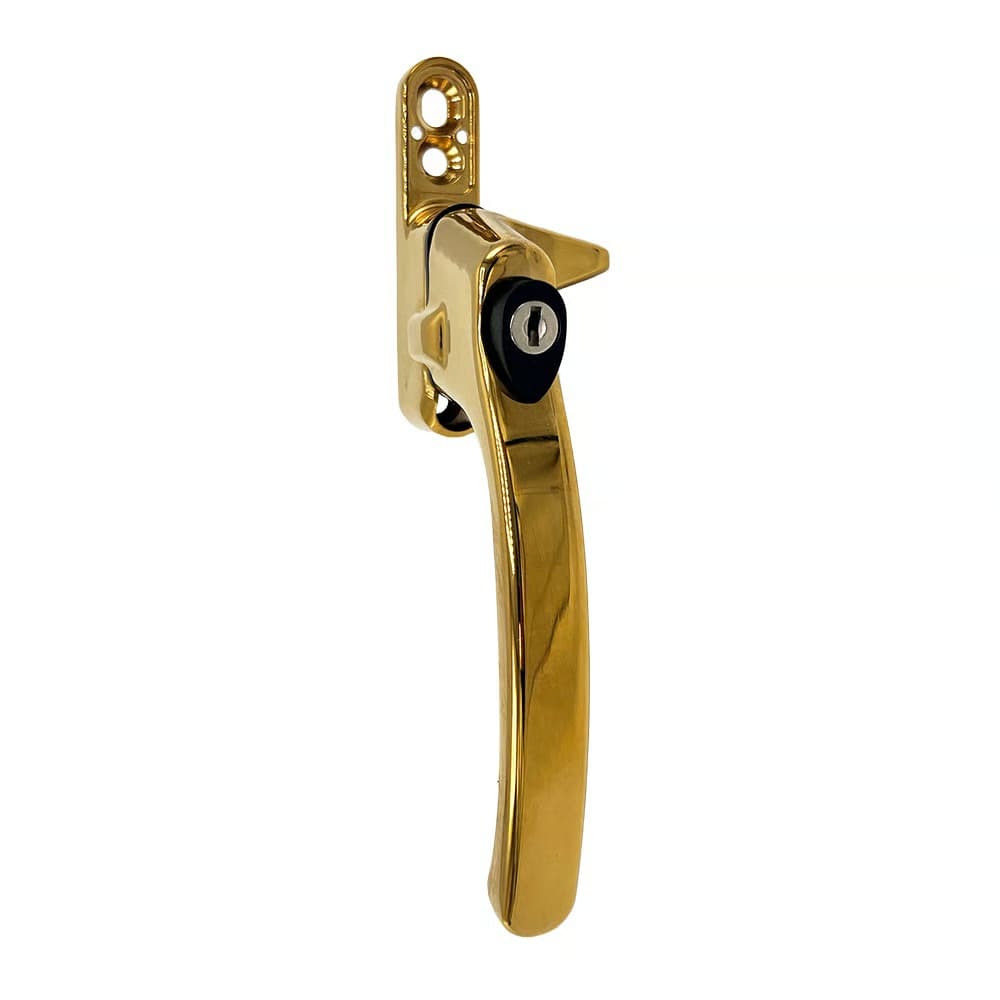
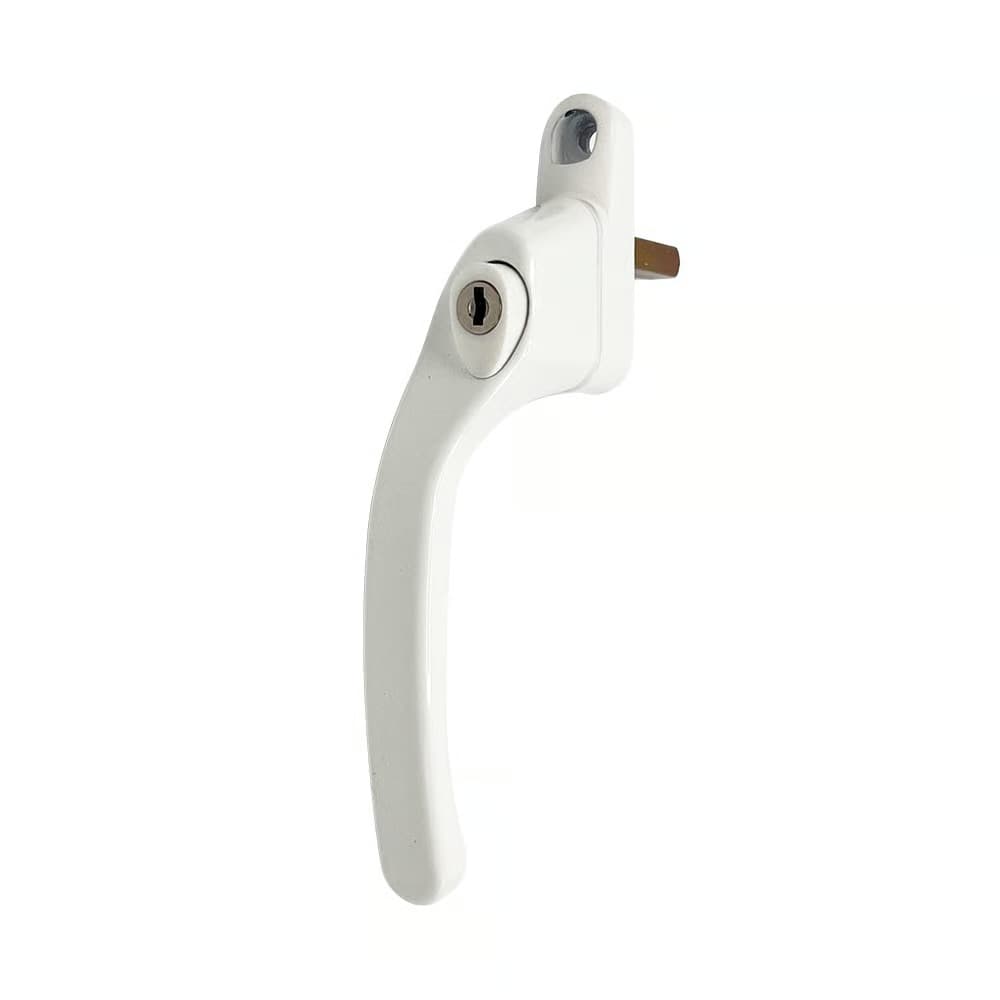
- Specialist handles, such as those used with tilt-and-turn fittings, may include a separate locking feature to prevent the handle from operating without a key.
Check security ratings and standards
Security performance matters for insurance and safety. Look for handles with third-party testing or ratings that demonstrate resistance to forced entry.
- Seek handles that comply with PAS 24 or have Sold Secure or Secured by Design endorsements where applicable.
- For multi-point systems, ensure the handle operates a tested locking mechanism rather than just being decorative.
- Key-locking handles offer extra protection on ground-floor or accessible windows; select versions that lock in the closed position and prevent operation when engaged.
Measure accurately before ordering
Measuring is the most common cause of incorrect replacements. Use the following checklist when ordering a replacement handle:
- Determine fixing centres: measure the distance between screw holes (centre-to-centre) if the handle mounts with two screws. Common centres are 43mm and 92mm for various designs—check manufacturer specifications.
- Check spindle size and length: measure the existing spindle thickness and the required length to pass through the handle and gearbox. For espag applications, the spindle commonly ranges from 7mm to 8mm square.
- Note backset and projection: for cockspur handles, the distance from the sash to the handle tip (projection) affects clearance; for espag handles, ensure the gearbox and tailpiece are compatible.
- Confirm handedness: some handles are handed (left or right); determine whether the opening is left- or right-handed from inside the room.
Choose finishes and materials for durability and style
Handles are both functional and decorative. Select materials and finishes that suit the property and climate:
- Aluminium and zinc alloy handles resist corrosion and are common on uPVC and aluminium windows.
- Stainless steel or high-quality plated finishes offer greater longevity in coastal locations where salt air can accelerate corrosion.
- Match the finish to existing hardware for a consistent aesthetic — chrome, white, black, and satin chrome are typical choices.
Prioritise child safety and ventilation features
Locking window handles can include features designed to limit opening for safety and controlled ventilation:
- Security restrictors or key-lockable handles allow the window to be opened slightly for ventilation while preventing full opening.
- For homes with young children, choose handles with a multi-position lock or a separate restrictor to comply with safety guidance.
Installation tips and common pitfalls
Proper installation ensures the locking mechanism functions as intended. Practical tips for fitters and competent DIYers:
- Remove the old handle and check the condition of the gearbox, keeps and frame. Replace any corroded or damaged components rather than fitting a new handle to worn hardware.
- Align the handle so that the locking pin or spindle engages cleanly with the gearbox. Misalignment leads to excessive wear and premature failure.
- Use appropriate fixings and do not overtighten screws — over-torquing can crack uPVC or timber frames.
- For key-locking handles, ensure the key operates smoothly before sealing up the installation. Lubricate the lock with graphite or a lock-specific lubricant if required.
- Test the handle through multiple open/close cycles and check that the window seals correctly to maintain weatherproofing and sound insulation.
Maintenance recommendations
Regular maintenance prolongs life and maintains security:
- Clean moving parts annually and lubricate with a light machine oil or specialist window lock lubricant.
- Check screws and fixings every 12 months and re-tighten as necessary.
- Inspect seals and keeps for wear; replace worn keeps to prevent misalignment of the locking parts.
- Replace handles showing significant wear, damage or a loose action — continued use can compromise the locking system.
Final checklist before purchase
Use this quick checklist when selecting locking window handles:
- Confirm window type and mechanism (espag, cockspur, tilt-and-turn).
- Measure fixing centres, spindle size and handle handedness.
- Choose a finish suitable for location and style.
- Verify security ratings or locking features required by insurance.
- Plan for restrictors or child-safety options where needed.
- Budget for replacement of associated hardware (gearboxes, keeps) if worn.