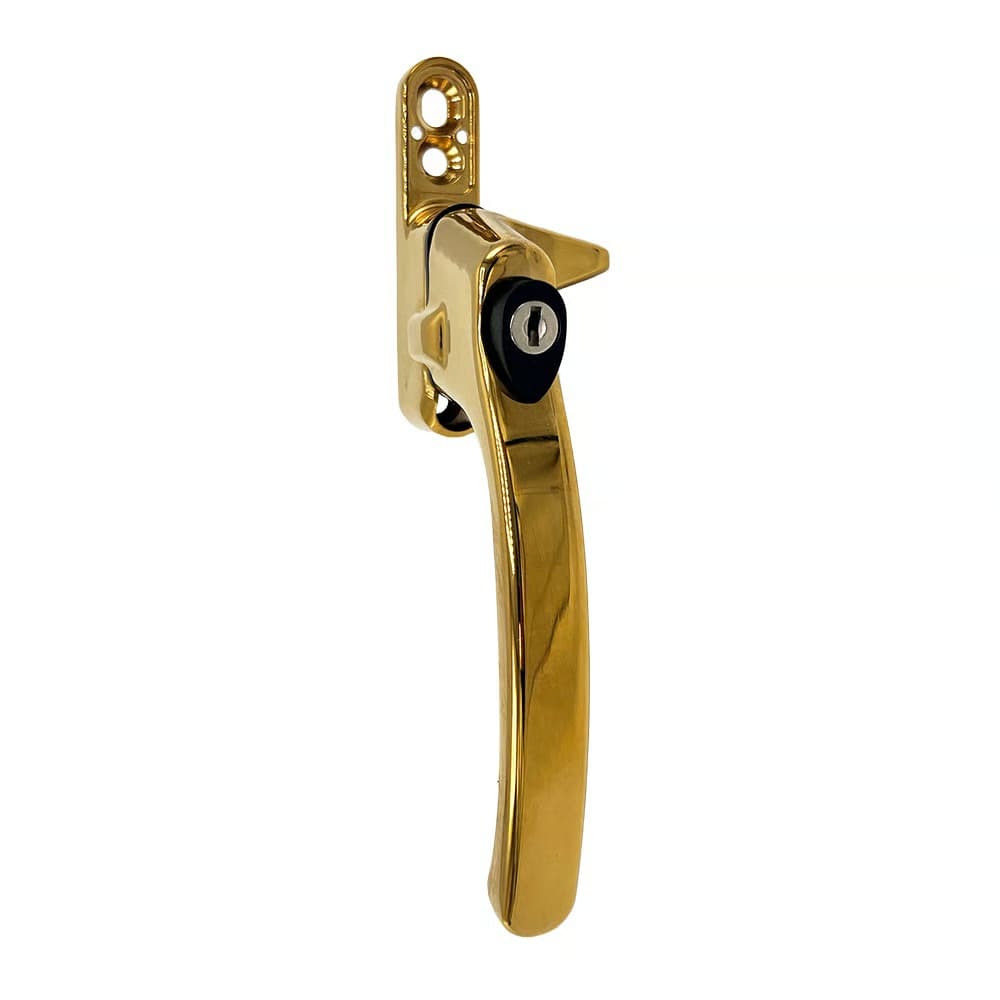
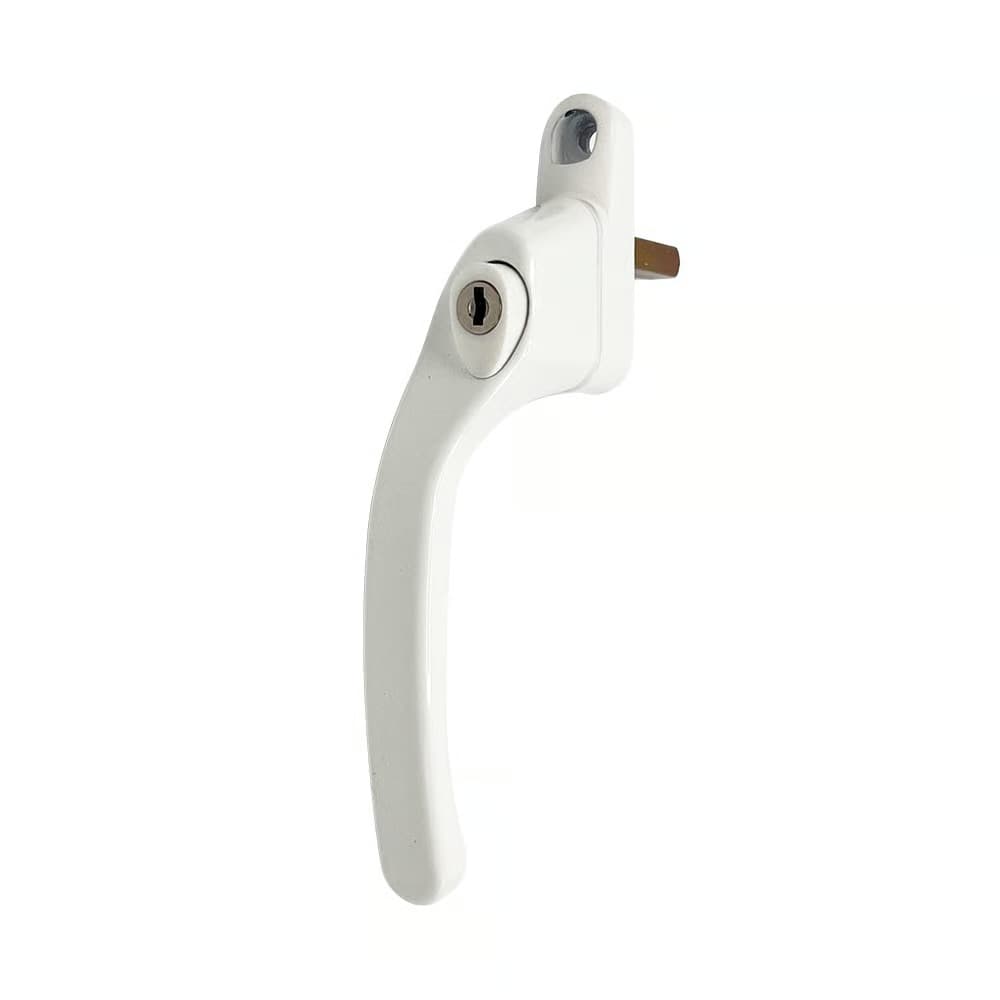
Locking Window Handles: Child Safety Considerations
Locking window handles are a straightforward but essential safety feature for family homes and commercial properties alike. Proper selection, fitting and m...
Locking window handles are a straightforward but essential safety feature for family homes and commercial properties alike. Proper selection, fitting and maintenance reduce the risk of children opening windows unsupervised, prevent accidental falls and deter opportunistic intruders. This article provides practical advice on choosing and using locking window handles to improve child safety while maintaining ventilation and ease of use for adults and tradespeople.
Why locking window handles matter for child safety
Windows present a significant hazard for young children — falls from height are a leading cause of serious injury. Locking window handles create a physical barrier that limits access to the window opening, while also giving adults control over when and how a window can be operated. For trade professionals, specifying robust locking handles can be part of meeting building regulations and insurance requirements, particularly in properties with vulnerable occupants such as nurseries or care homes.
Types of locking window handles
Several locking handle types suit different window styles and security needs:
- Espag handles: Common on modern casement windows and favourable for high-security applications because they operate multi-point espagnolette mechanisms.
- Cockspur handles: Often found on older casement windows or timber frames; some versions include integrated locks.
- Tilt-and-turn/lever handles: Used on tilt-and-turn windows, often lockable to allow tilting for ventilation while preventing full opening.
Practical selection criteria
When selecting locking window handles, use these practical criteria:
- Compatibility: Confirm handle type matches the window hardware (espag, cockspur, tilt-and-turn). Mismatched handles can damage the mechanism or provide a false sense of security.
- Lock type: Choose key-operated locks for maximum restriction, or push-button locks for quicker access. Key locks are preferable where persistent child-safe control is required.
- Height and reach: Position handles out of reach of young children where possible, typically above 1.5 metres, or use extension accessories if the handle must remain low.
- Strength and certification: Look for handles made from robust materials (zinc alloy, steel components) with manufacturer warranties or compliance to relevant British Standards.
- Ease of use for adults: Handles should be operable by caregivers and emergency services. Avoid selections that significantly slow escape in emergency situations.
Installation best practice for safety and performance
Correct installation is as important as the handle choice. Tradespeople should follow these steps:
- Inspect the frame and sash first: Repair rot, loose fittings or warped frames to ensure the handle can seat and lock properly.
- Use the correct fixings: Countersunk screws and appropriate lengths ensure a secure fix; shorter screws can pull out under load.
- Centreline alignment: Ensure the handle lever aligns with the locking mechanism; misalignment causes premature wear or incomplete locking.
- Torque and play: Set screw torque to manufacturer recommendations and remove excessive play. Some handles have adjustable spindles to fine-tune engagement.
- Test multiple cycles: Operate the window through full open, tilt (if applicable) and closed positions at least 20 times to confirm reliable performance before signing off.
Childproofing tactics beyond locks
Locking handles are one element in a layered approach to child safety. Combine them with other measures:
- Restrictors: Install window restrictors to limit the opening to a safe gap (typically 100mm or less). Select restrictors that allow quick release by an adult in an emergency if required.
- Window guards and bars: For high-rise dwellings, guards provide a fixed barrier. Ensure installation meets building regulations and does not impede emergency egress.
- Furniture placement: Keep beds, chairs and climbable items away from windows to reduce reach.
- Window film: A safety film can help hold glass fragments in place if breakage occurs, reducing injury risk.
- Education and routine: Establish household rules about window use and incorporate checks into daily routines, especially during nursery hours or babysitting.
Maintenance and periodic checks
Regular maintenance keeps locking handles functioning and effective:
- Visual inspection every 3–6 months: Look for corrosion, loose screws, or handle wobble.
- Lubrication: Apply a light silicone spray or graphite where metal moves against metal; avoid oily lubricants that attract dirt.
- Key control: Keep spare keys in a secure but accessible location for caregivers and emergency personnel. Replace worn keys and rekey or replace handles if lock cylinders become unreliable.
- Record keeping: Tradespeople should provide a simple maintenance schedule with installations and note any adjustments made for handover documentation.
Compliance and trade considerations
Installers must be familiar with relevant regulations and standards, such as guidance for windows in dwellings and requirements for emergency egress. For rental properties, landlords have a duty to manage risks from windows where children live. Tradespeople should document compliance, recommend appropriate products to clients and supply certificates or written recommendations when part of a larger safety upgrade.
Conclusion
Locking window handles are a cost-effective, practical measure to enhance child safety when combined with other safeguards and proper installation. Selecting the right type, installing it correctly, and maintaining it regularly ensures windows provide ventilation and convenience without compromising security. For further technical details and product options, consult the full Window Handles Guide.