Locking Window Handles: Common Problems and Quick Fixes
Locking window handles are a small but essential part of home security and daily convenience. When they malfunction, they can cause draughts, make windows...
Locking window handles are a small but essential part of home security and daily convenience. When they malfunction, they can cause draughts, make windows difficult to operate, or compromise safety. This article explains common problems with locking window handles and provides quick, practical fixes suitable for homeowners and tradespeople. Advice covers inspection, basic repairs, and when a replacement is the most cost-effective solution.
Common faults and how to diagnose them
Start with a systematic inspection to identify the issue. Typical faults include stiff operation, loose handles, broken spindle or internal components, misalignment with the keep or locking peg, and worn or stripped mechanisms. Examine the handle while the window is closed and again while it is open to determine whether the problem is with the handle itself or the window hardware alignment.
Visible signs to note:
- Handle wobbles or rotates without engaging the lock.
- Handle is difficult to turn or sticks halfway.
- The window does not lock securely even when the handle is in the locked position.
- Unusual noises such as grinding or clicking when operating the handle.
Quick fixes for stiff or sticky handles
Stiff handles are often due to dirt, old lubricant, or corrosion in the mechanism. These are straightforward to tackle.
1. Clean the mechanism: Remove dust and debris from around the handle and the moving parts using a soft brush and a damp cloth. For internal dirt, the handle may need to be removed. 2. Lubricate moving parts: Use a silicone-based spray or a light machine oil on the spindle, gearing and locking points. Apply sparingly and cycle the handle several times to work the lubricant in. 3. Free seized gears: If lubrication is not enough, gently ease the mechanism with a penetrating oil, allow time to work, then operate the handle repeatedly. Avoid excessive force to prevent breaking fragile internal parts.
For outward-facing cockspur handles on older timber windows, a targeted spray and working the handle often restores smooth operation without replacement.
Tightening loose handles and repair of stripped screws
A loose handle usually indicates failing fixings or worn internal bushes. Address these steps:
1. Tighten visible screws: Use the correct screwdriver to avoid damaging heads. Tighten but do not overtighten, as this can strip the screw or deform the handle base. 2. Replace missing or damaged screws: Use stainless steel or coated screws suitable for the environment to resist corrosion. 3. Repair stripped fixings: If the screw hole in the handle has been stripped, replace the screw with a slightly larger diameter or fit a small metal sleeve or helicoil where appropriate. For wooden frames, a hardwood dowel or matchstick technique with glue can provide a temporary hold.
If tightening does not remove wobble, the internal spindle or bushes may be worn and require replacement.
Replacing the spindle, mechanism or whole handle
When internal components fail, replacement parts are economical and straightforward to fit for tradespeople and confident DIYers.
- Replace the spindle: Measure the spindle length and square size before ordering. A mismatched spindle causes poor engagement and can damage the gearbox.
- Replace the gearbox or mechanism: Some espagnolette locking systems allow replacing the internal mechanism while keeping the existing handle. This is cost-effective where the keep and frame are still sound.
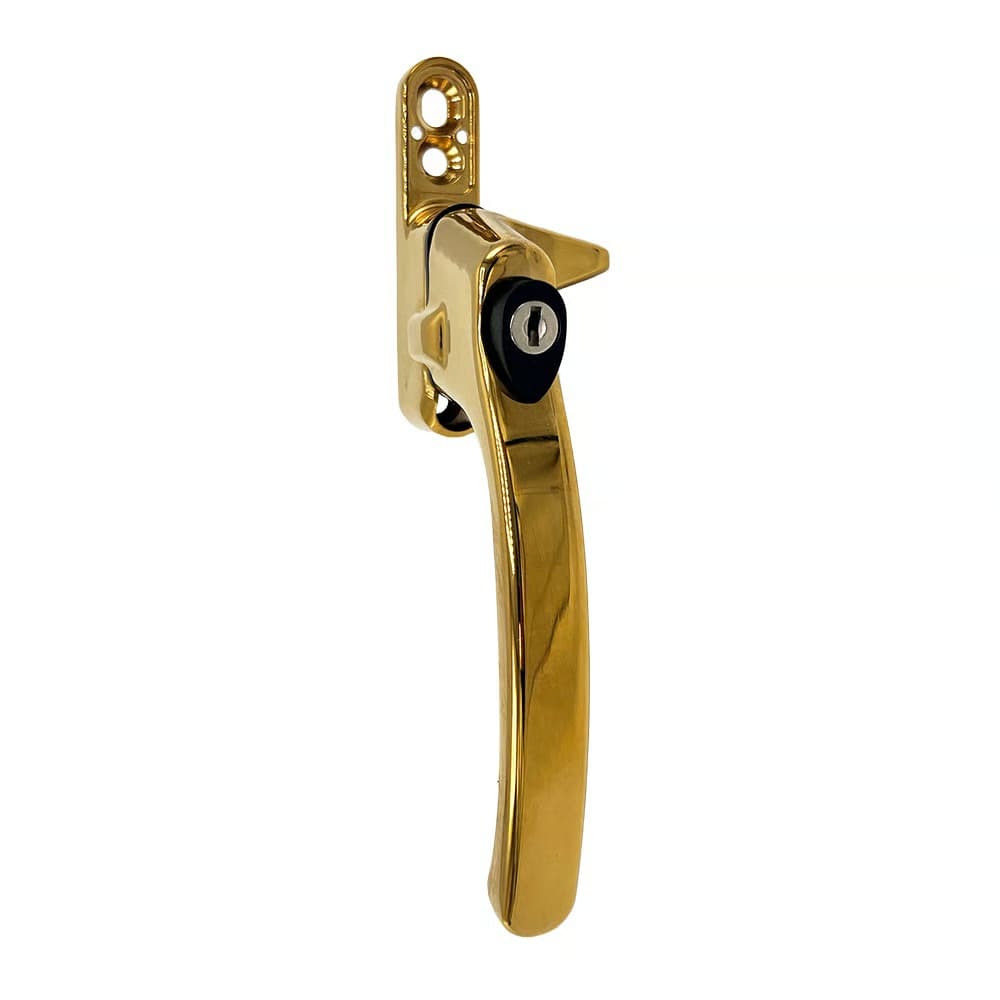
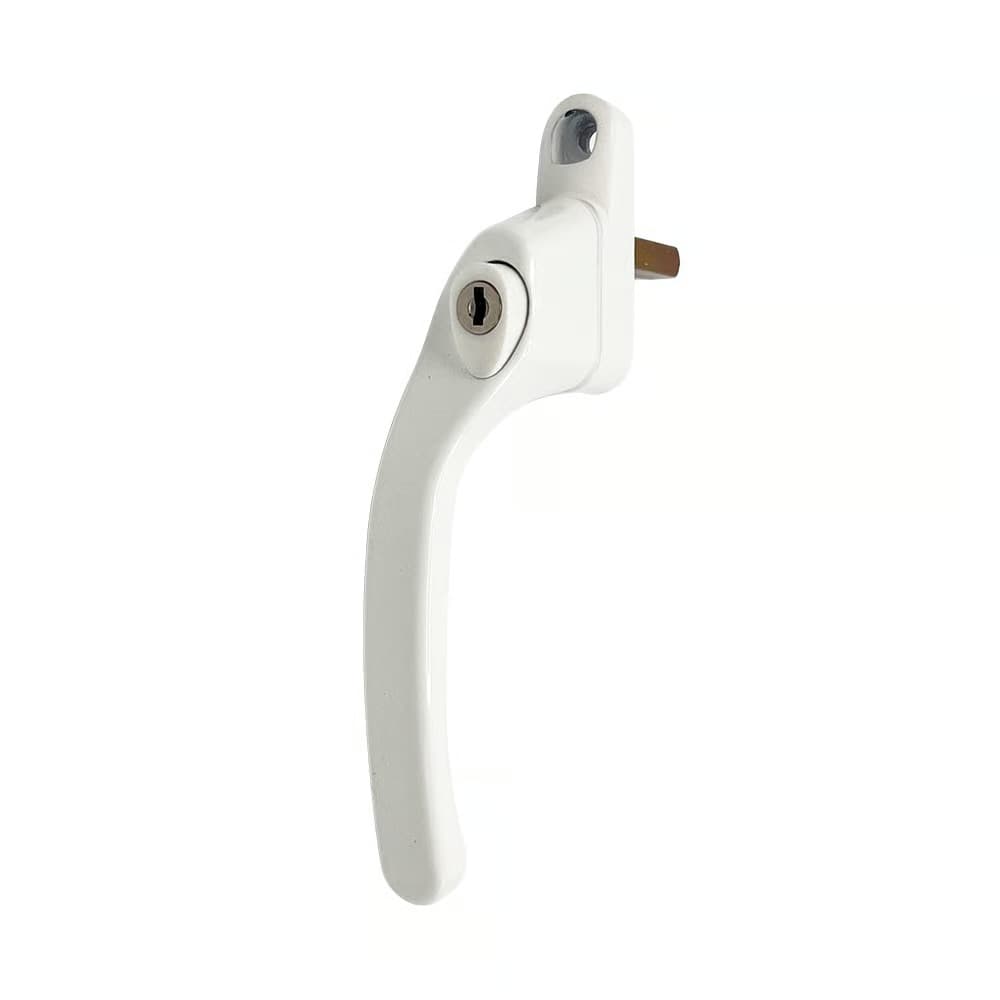
- Fit a new handle: When the handle is cracked, corroded or obsolete, a direct replacement handle is often the best option. For example, the TSS Cockspur Window Handles offers a modern, secure replacement for many uPVC and aluminium windows and is straightforward to install.
Dealing with misalignment and keeps
A locked handle that does not secure the window usually indicates misalignment between the lock mechanism and the keep or striker. Common causes include settlement, loose frame fixings, or worn keeps.
Adjustment steps:
- Check and tighten frame fixings to ensure the window is seated properly in the frame.
- Adjust the keep or striker plate incrementally. Many keeps offer vertical or lateral adjustment via slotted fixing holes or adjustable plates.
- Replace worn striker plates where the locking cam no longer engages the keeper securely.
Considerations for increased security and child safety
Locking window handles are a security feature as well as a convenience item. Consider the following upgrades:
- Fitted handles with key or push-lock operation deter opportunistic entry and provide a clear locked/unlocked indication.
- Childproof locking handles or restrictors limit opening width, reducing fall risk from upstairs windows.
- Anti-snap or reinforced handles increase resistance against forced entry.
When to replace rather than repair
Replace the handle or mechanism when:
- Corrosion has compromised the fixings or internal parts.
- Spare parts are unavailable for older or proprietary systems.
- Recurrent failures occur after repair, indicating underlying frame or hardware degradation.
- The handle no longer meets security or safety requirements.
Maintenance tips to prevent future problems
Regular simple maintenance extends life and prevents most common faults.
- Clean and lubricate handles and moving parts annually.
- Check and tighten fixings every six months.
- Inspect keeps and strikers for wear and adjust as required.
- Replace damaged seals and ensure drainage paths are clear to prevent water ingress and corrosion.